The Billionaire Envoy: Why Musk and Huang’s Beijing Mission Signals a Shift in Tech Diplomacy

Elon Musk and Jensen Huang accompanied the U.S. President to Beijing, signaling a shift toward 'tech-first' diplomacy. Their presence highlights the central role of AI and electric vehicles in the current phase of US-China relations.

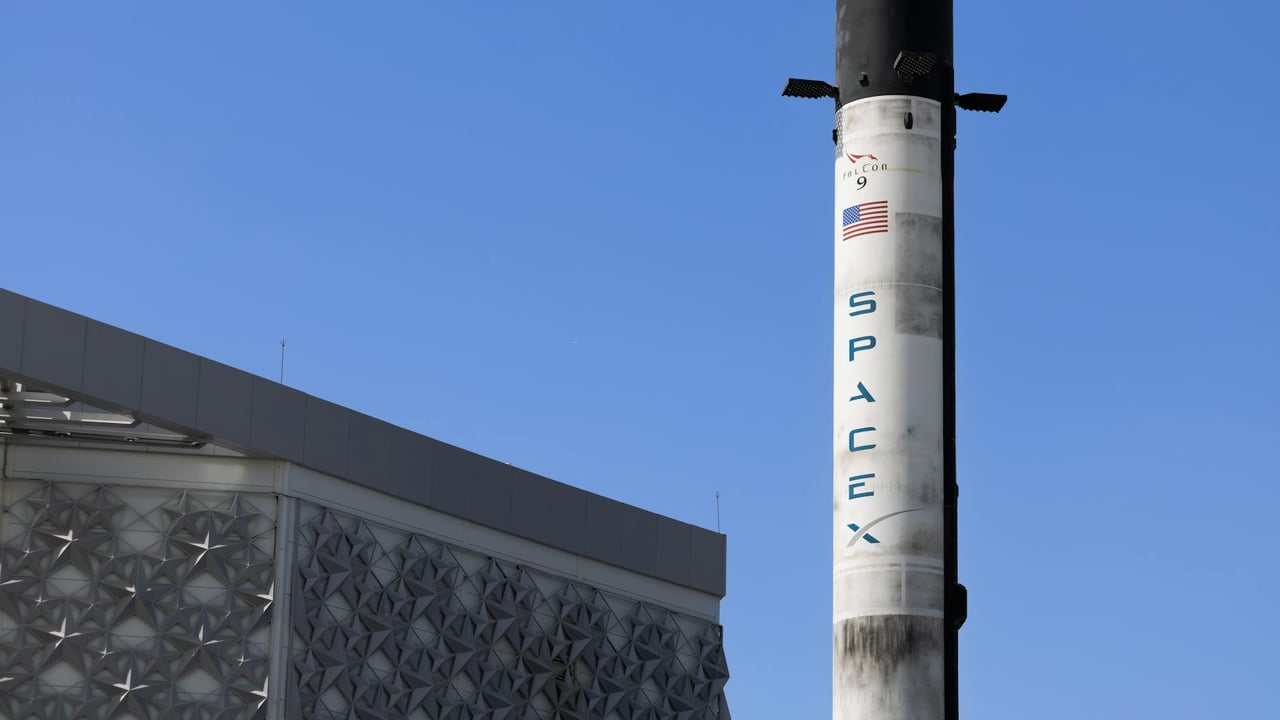
A SpaceX Falcon 9 rocket displayed outdoors against a clear blue sky in Dubai.

Key Takeaways

  • 1Elon Musk and Jensen Huang were the exclusive tech CEOs accompanying the U.S. delegation on Air Force One.
  • 2The visit underscores a shift toward transactional diplomacy involving critical technologies like AI and semiconductors.
  • 3Musk's clarification of the group's size refutes rumors of a broader corporate entourage, indicating a highly focused mission.
  • 4The presence of Nvidia and Tesla leaders signals that supply chain integration remains a vital lever in bilateral negotiations.

Editor's
Desk

Strategic Analysis

The presence of Musk and Huang on the presidential plane is a masterstroke of economic theater. It signals to Beijing that while political tensions remain high, the American 'industrial-intelligence complex' is the primary lever of power in the 21st century. Huang, whose chips power the global AI boom, and Musk, who remains the primary bridge for Western manufacturing in China, represent a pragmatic alternative to the ideologically driven trade wars of the previous decade. This visit likely marks the beginning of a 'managed competition' framework where high-tech access is traded for specific geopolitical concessions, moving away from the blunt instrument of total decoupling.

China Daily Brief Editorial
Strategic Insight
China Daily Brief

The wheels of Air Force One touched down in Beijing on May 13, 2026, carrying not just the leadership of the United States, but the two men who hold the keys to the global digital future. Elon Musk and Jensen Huang’s presence on the presidential aircraft marks a pivotal moment in American foreign policy, where silicon and energy have become as vital as traditional treaties and tariffs.

Musk’s recent social media activity, confirming that he and Nvidia’s CEO were the sole corporate titans aboard, highlights a calculated and exclusive strategic intent. For years, Washington and Beijing have navigated a complex dance of decoupling; however, the arrival of the architects of the EV and AI revolutions suggests a pivot toward a more transactional and pragmatic engagement between the two superpowers.

Nvidia and Tesla represent the most critical friction points in the modern US-China relationship: high-end semiconductors and the green energy transition. By bringing the leaders of these industries into the inner sanctum of a presidential visit, the administration is signaling that American tech hegemony is a primary bargaining chip in a new era of global competition.

Despite viral rumors suggesting a massive corporate entourage, the exclusivity of this 'tech cabinet' underscores the targeted nature of the mission. Beijing views both Musk and Huang with a rare degree of respect and wariness, recognizing that their integrated supply chains are the literal lifeblood of China's own industrial modernization and AI ambitions.

Share Article

Related Articles

📰
No related articles found