
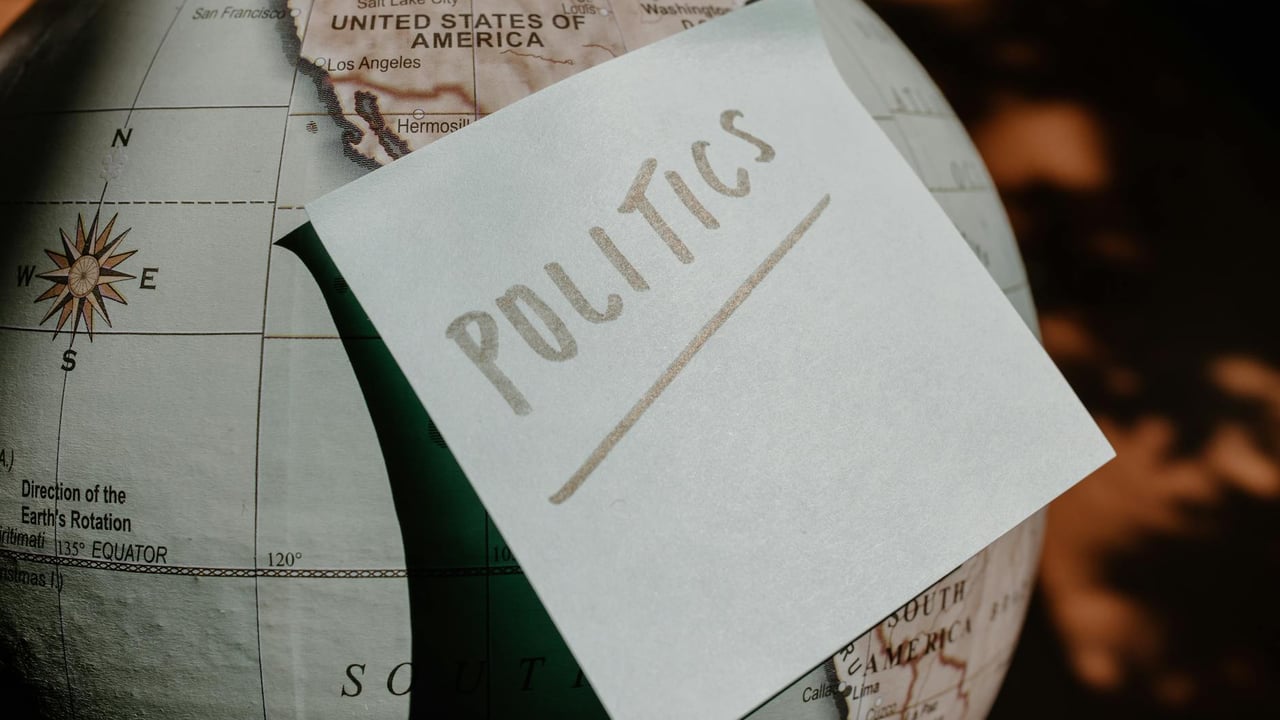

The recent high-stakes meeting between the presidents of China and the United States has been characterized by state-aligned media as a 'calming pill' for a volatile world. Against a backdrop of prolonged strategic competition, this latest diplomatic engagement suggests a mutual desire to establish a 'floor' beneath a relationship that has frequently teetered on the edge of systemic decoupling. While the specific policy outcomes remain incremental, the symbolic value of the summit cannot be overstated in an era defined by geopolitical uncertainty.
Global markets, which have been increasingly sensitive to the rhetoric emanating from Beijing and Washington, reacted with cautious optimism. The mere presence of both leaders at the same table signals to international stakeholders that, despite deep-seated ideological and economic frictions, both powers recognize the necessity of crisis management. This summit serves as a tactical pause, allowing both nations to address domestic economic priorities without the immediate threat of a disruptive escalation in trade or security disputes.
However, the concept of a 'reassurance' must be balanced against the structural realities of the 21st-century power struggle. Even as diplomats emphasize cooperation on climate change and artificial intelligence governance, the underlying competition for technological supremacy and regional influence remains unabated. The summit does not represent a fundamental reset of ties, but rather a sophisticated effort to manage a 'cold peace' that prevents competition from sliding into conflict.
For the international community, the significance of this meeting lies in its potential to stabilize global supply chains and provide a predictable framework for international relations. By projecting an image of responsible leadership, both Beijing and Washington are attempting to court the 'Global South' and middle powers who have grown wary of being forced to choose sides. The success of this summit will ultimately be measured not by the warmth of the handshakes, but by the durability of the communication channels established in its wake.