The Supervisor Economy: Anthropic Reveals AI Now Writes 90% of Its Code

Anthropic’s CFO has revealed that 90% of the company’s code is now written by AI, signaling a paradigm shift in white-collar labor. Employees are transitioning from execution-heavy roles to supervisory positions, highlighting a future where human oversight is the primary value add in the technology sector.

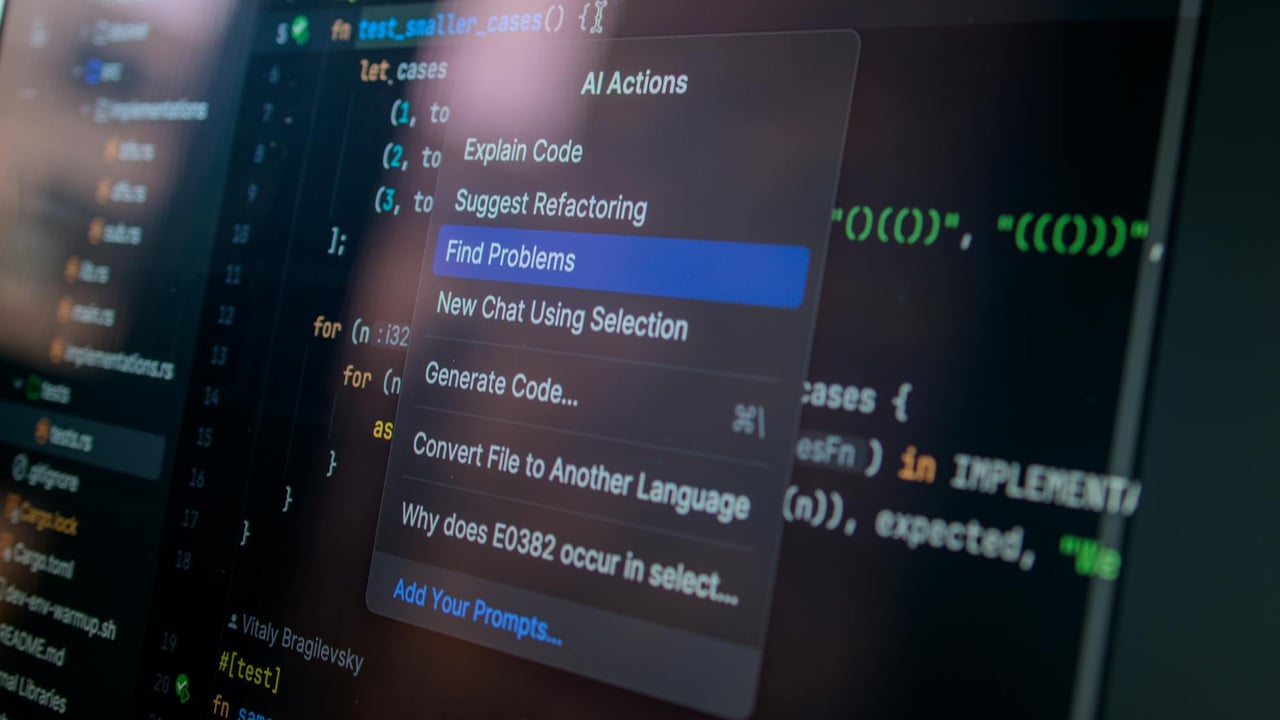
Detailed view of a computer screen displaying code with a menu of AI actions, illustrating modern software development.

Key Takeaways

  • 1Anthropic CFO confirms 90% of the company's code is AI-generated.
  • 2The internal workflow has shifted from manual execution to high-level supervision.
  • 3AI is acting as a force multiplier, allowing smaller teams to achieve massive technical output.
  • 4The company views this as a blueprint for the future of all white-collar 'knowledge work'.

Editor's
Desk

Strategic Analysis

The fact that a leading AI safety and development firm like Anthropic is essentially 'eating its own dog food' at this scale suggests we have reached a tipping point in the 'AI flywheel' effect—where AI tools are used to accelerate the creation of even more advanced AI. This transition from execution to supervision represents a profound structural change in the labor market. While it solves the immediate bottleneck of engineering talent, it creates a secondary crisis of 'entry-level obsolescence.' If AI performs 90% of the execution, the traditional path for junior employees to learn their craft by 'doing' is effectively severed, forcing industries to rethink how they will cultivate the next generation of expert supervisors.

China Daily Brief Editorial
Strategic Insight
China Daily Brief

In a revelation that underscores the rapid transformation of the technology sector, Anthropic’s leadership has disclosed that approximately 90% of the company’s internal code is now generated by artificial intelligence. This milestone, shared by the firm's Chief Financial Officer, marks a pivotal shift in how the world’s most advanced AI laboratories are themselves powered by the very tools they create.

The shift reflects a broader trend within Silicon Valley where the role of the software engineer is being fundamentally reimagined. Rather than spending hours on manual syntax and execution, developers at Anthropic are increasingly serving as high-level architects and auditors, focusing on the strategic direction and safety of the codebase.

This "Supervisor Model" of employment suggests that white-collar productivity is entering a new era characterized by human-in-the-loop oversight rather than hands-on production. While fears of mass unemployment persist, Anthropic's internal data indicates that AI may serve as a massive force multiplier, allowing small teams to manage complex infrastructure that previously required hundreds of engineers.

However, this transition is not without its risks, as the reliance on automated code raises critical questions regarding long-term technical debt and systemic fragility. As the boundary between human creativity and machine output continues to blur, the premium in the job market is rapidly shifting from technical proficiency to the ability to effectively manage and critique AI-generated workflows.

Share Article

Related Articles

📰
No related articles found