
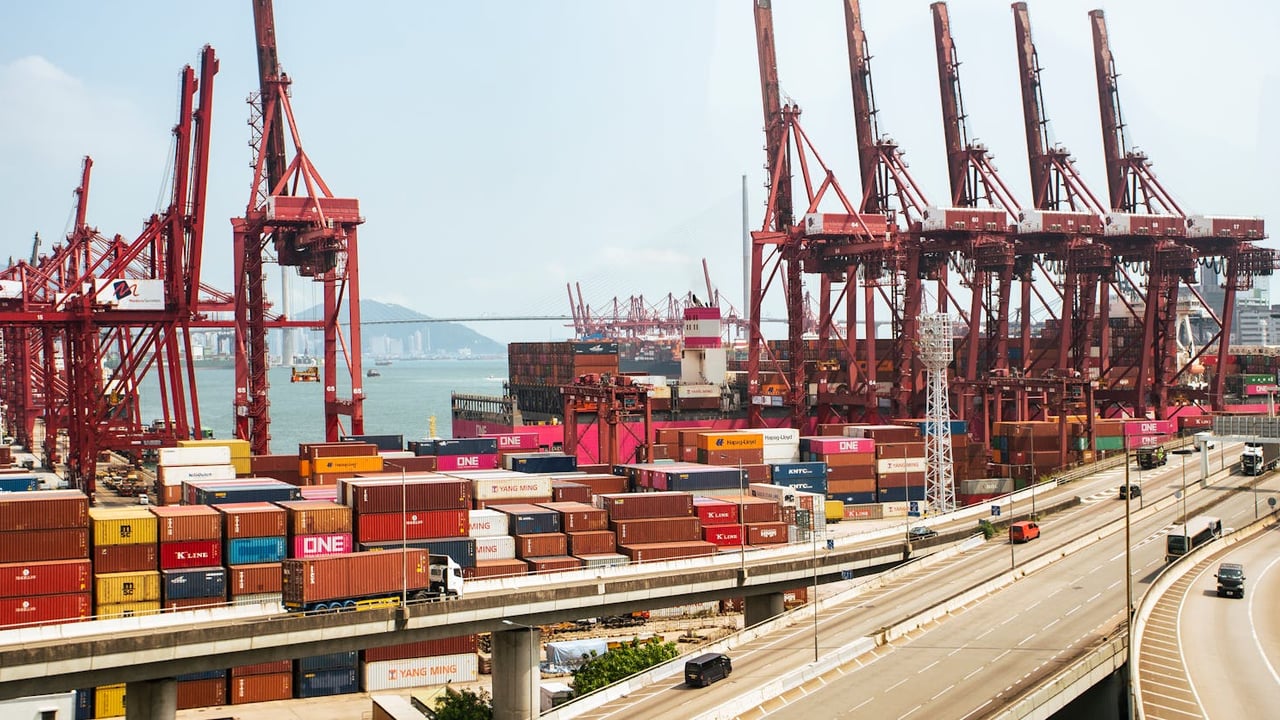

Despite a backdrop of escalating geopolitical friction and a cooling global economy, China’s trade engine has demonstrated unexpected vigor in the first four months of the year. Data released by the Ministry of Commerce reveals a 14.9% year-on-year increase in total goods trade, reaching 16.23 trillion yuan. This robust expansion suggests that Beijing is successfully navigating external pressures by leaning into high-value manufacturing and emerging technologies.
The qualitative shift in China’s export basket is the most significant takeaway from the recent figures. Mechanical and electrical products, which now represent the vanguard of Chinese industrial policy, saw an outsized growth rate of 19.5%. This surge underscores a transition from the labor-intensive consumer goods of the past toward a sophisticated role in the global high-tech supply chain, specifically within the realms of advanced machinery and digital infrastructure.
Commerce Ministry spokesperson He Yongqian specifically highlighted China’s indispensable role in the global artificial intelligence (AI) ecosystem. By positioning the nation as both a primary buyer and seller of integrated circuits and a critical supplier of AI infrastructure, Beijing is signaling its intent to remain central to the next industrial revolution. This narrative serves to counter Western 'de-risking' rhetoric, framing China’s industrial capacity as an organic response to global market demand rather than a mere byproduct of state intervention.
However, the horizon remains clouded by systemic risks. The Ministry acknowledged that a slowing global economy and persistent geopolitical conflicts continue to weigh on the outlook. While officials maintain that the 'long-term positive fundamentals' of Chinese trade are unchanged, the reliance on high-tech exports makes the sector increasingly sensitive to international trade barriers and technological containment efforts led by the United States and its allies.