
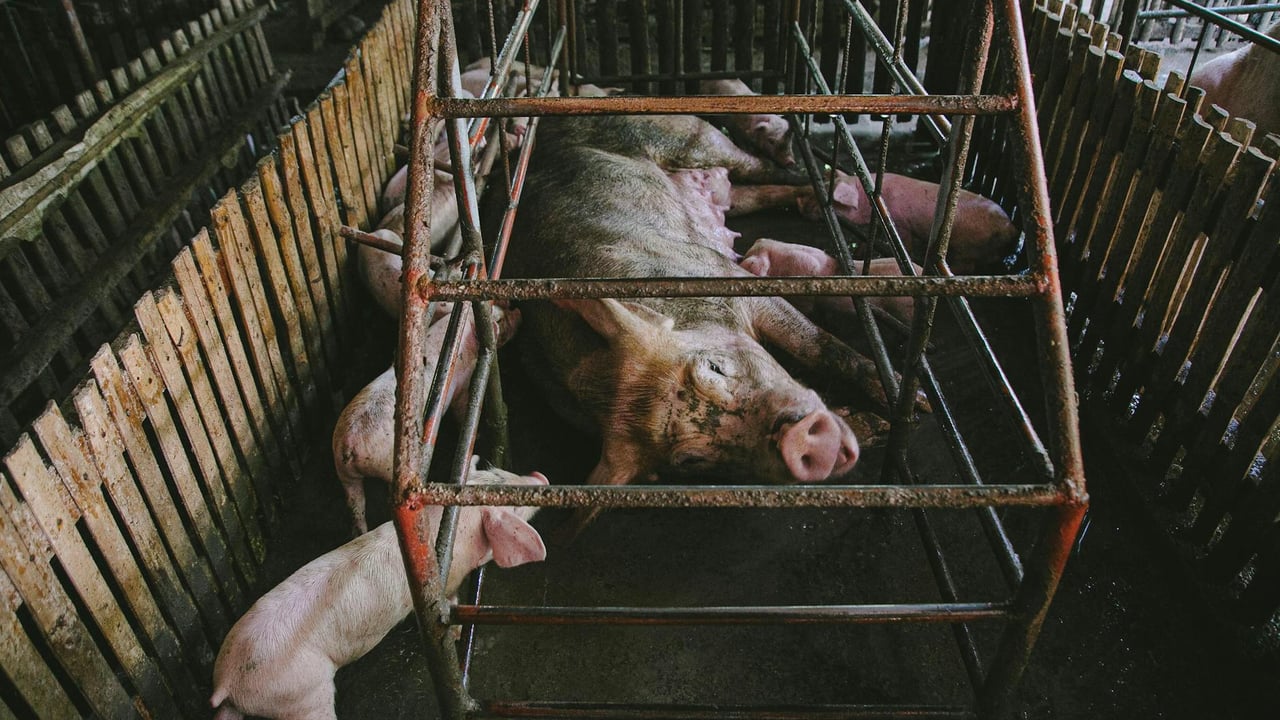

China’s Ministry of Agriculture and Rural Affairs has officially lowered the national target for breeding sow stocks to 37.5 million head, marking a significant recalibration of the country’s vast pork industry. This move, part of the newly released '2026 Implementation Plan for Comprehensive Regulation of Pig Production Capacity,' reflects a strategic shift away from raw volume toward productivity. By tightening inventory limits, Beijing aims to stabilize a market that has long been plagued by volatile 'pig cycles' and destructive price swings.
The reduction in the sow population target is not a sign of waning demand, but rather a testament to improved agricultural efficiency. Modern Chinese pig farms are now achieving higher yields per animal, meaning fewer sows are required to satisfy the nation’s appetite for pork. This technological leap has allowed regulators to lower the baseline stock requirement from previous levels, acknowledging that the old metrics for food security must adapt to new industrial realities.
To manage this transition, the ministry is introducing a more stringent 'traffic light' monitoring system. The new plan tightens the upper and lower thresholds for the 'green' and 'yellow' zones, which dictate when local authorities must intervene in the market. By establishing a tiered response mechanism, the government hopes to provide clearer guidance to producers and prevent the kind of blind expansion that has historically led to massive oversupply and subsequent market crashes.
Local governments are being held to stricter accountability standards to ensure these production targets are met at the provincial level. The central government is emphasizing 'capacity-level linkage,' a policy designed to synchronize regional production with national demand forecasts. This top-down coordination is intended to create a more resilient supply chain that can maintain pork prices within a reasonable range, protecting both the livelihoods of farmers and the purchasing power of urban consumers.