
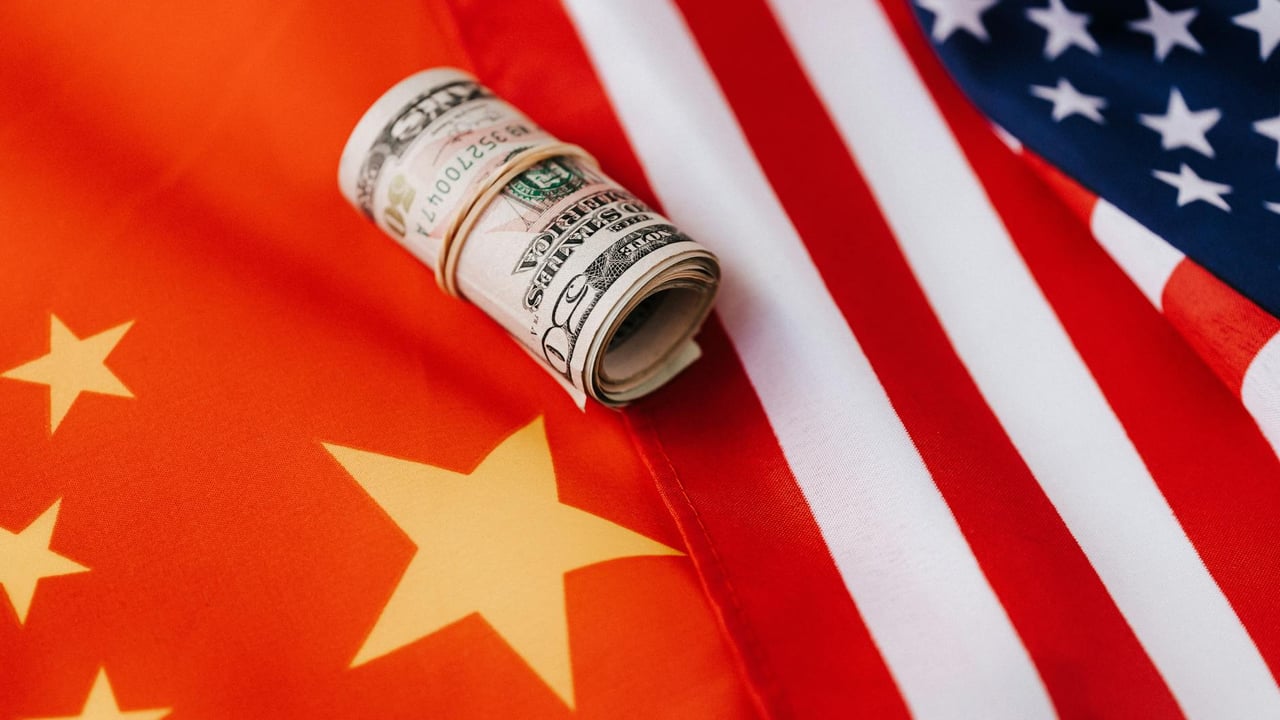

In a high-stakes summit at Beijing’s Great Hall of the People, President Xi Jinping and President Donald Trump have signaled a formal shift in the world's most consequential bilateral relationship. The two leaders agreed to frame the future of their interaction under the rubric of a “Constructive Strategic Stability Relationship.” This new designation is intended to serve as a strategic compass for the next three years, seeking to provide a predictable floor for relations that have long been defined by volatility.
Chinese Foreign Ministry spokesperson Guo Jiakun further articulated the four pillars of this framework during a subsequent briefing. Beijing defines this “constructive” stability as a paradigm where cooperation outweighs friction, and where competition is kept within “benign” bounds. Crucially, the concept emphasizes that while differences are inevitable, they must remain “controllable” and routine rather than existential, aiming for a durable peace that the international community can rely upon.
This terminology represents a sophisticated evolution in Chinese diplomatic rhetoric. By adopting the term “strategic stability”—a concept traditionally reserved for nuclear arms control—Beijing is attempting to institutionalize a broader equilibrium that encompasses trade, technology, and regional security. It suggests a desire to move beyond reactive crisis management and toward a proactive, structural agreement on how the two superpowers will coexist in a multipolar world.
However, the veneer of stability remains thin over the perennial flashpoint of Taiwan. During the talks, President Xi reportedly reaffirmed that the island remains the “most important issue” and the ultimate red line. The message from the Chinese side was blunt: while peace is the “greatest common denominator” for both sides, any perceived deviation from the status quo by Washington could lead to a direct collision that would jeopardize the entire framework of strategic stability.
For the global community, the success of this 2026 roadmap will depend on whether the “constructive” element of the pact can survive the domestic political pressures within both capitals. While the agreement provides a rhetorical toolkit for de-escalation, the fundamental structural rivalry between a rising China and a protective United States continues to test the limits of what any diplomatic framework can truly contain.