
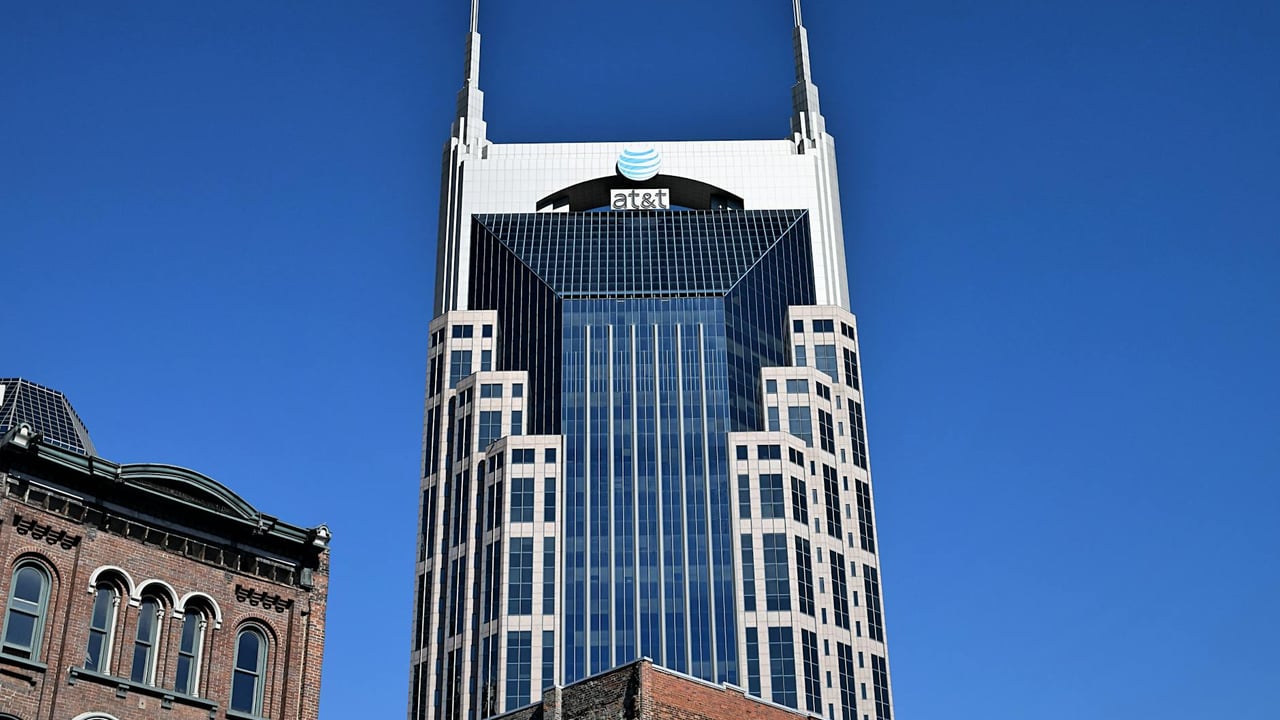

The 'Big Three' of American telecommunications—AT&T, Verizon, and T-Mobile—are moving their rivalry from terrestrial towers to the stars. In a rare display of industry unity, these perennial competitors have agreed in principle to form a joint venture dedicated to advancing 'Direct-to-Device' (D2D) satellite technology. This strategic alliance aims to pool spectrum resources and create a unified platform, effectively turning every standard smartphone into a satellite-capable device in areas where traditional cell signals fail.
The move is a direct response to the persistent problem of 'dead zones' that plague rural America and remote wilderness areas. By integrating satellite connectivity into their core networks, the carriers hope to 'virtually eliminate' coverage gaps that have long frustrated users and hampered emergency services. Beyond routine convenience, the venture promises essential redundancy, ensuring that if terrestrial networks are knocked out by natural disasters, the satellite overlay can maintain critical communications.
This consolidation of power significantly reshapes the competitive landscape between traditional carriers and the burgeoning commercial space sector. While T-Mobile has an existing exclusive arrangement with Elon Musk's SpaceX, and AT&T and Verizon have leaned toward AST SpaceMobile, this new joint venture suggests a shift toward a more standardized, industry-wide approach. It creates a formidable bargaining block that may prevent any single satellite provider from gaining undue leverage over the mobile market.
Despite the high-altitude ambitions, the reality on the ground remains grounded in low-bandwidth utility for now. Current usage, as seen with Starlink's mobile services in Ukraine and US National Parks, is primarily limited to text messaging and emergency alerts. However, the roadmap is clear: SpaceX and others are already investing billions in next-generation satellites designed to support streaming and video calls, making this joint venture a preemptive strike to control how that future capacity is delivered to the public.