
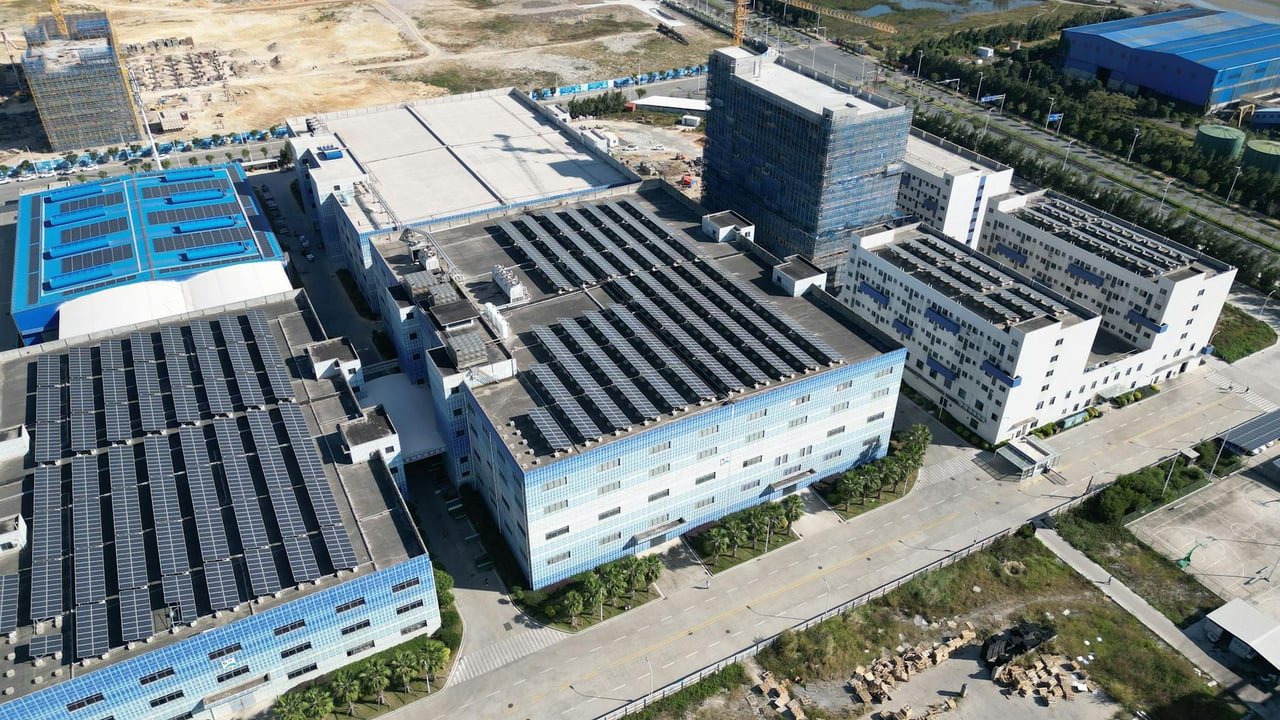

Luo Liguo, the self-made tycoon once hailed as China’s 'Silicon King,' is witnessing a precipitous decline of his industrial empire. Hosesun Silicon, the cornerstone of his wealth, has seen its market valuation collapse by nearly 80% from its peak of 279 billion RMB. This dramatic 'Waterloo' reflects not just a personal reversal of fortune for the former richest man in Ningbo, but a systemic cooling of the once-sizzling green energy sector.
The situation worsened this week as the company announced that its controlling shareholder, Hosesun Group, plans to divest up to 3% of its stake to meet 'capital requirements.' This move, involving approximately 35 million shares, follows a devastating financial report for the 2025 fiscal year. The company swung from a 1.74 billion RMB profit to a staggering loss of nearly 3 billion RMB, driven by plummeting prices across the silicon value chain.
Industry headwinds have been unforgiving for Hosesun, which operates as a vertically integrated giant in industrial silicon and solar components. The company cited severe inventory impairments and a mismatch between supply and demand in the photovoltaic sector as the primary drivers of its losses. Even as the industry attempts to stabilize, high inventory levels and a brutal price war continue to erode margins for even the most established players.
Adding to the firm’s woes is a series of regulatory reprimands from the Zhejiang Securities Regulatory Bureau. Officials issued warning letters to Luo and several top executives for failing to disclose massive related-party transactions and multi-billion dollar investment agreements. These governance failures, involving undisclosed projects totaling 11 billion RMB, have further spooked investors already wary of the company’s fundamental health.
Luo Liguo’s journey from a straw hat manufacturer to a silicon billionaire once epitomized the Ningbo entrepreneurial spirit. Today, his struggle serves as a cautionary tale for the 'Silicon Mao'—companies that once commanded premium valuations but are now struggling with the consequences of aggressive overexpansion. As the industry faces a painful period of consolidation, the era of unbridled growth for China's solar giants appears to be reaching a sobering conclusion.