Stability by Design: Decoding the New Xi-Trump Framework for 'Constructive' Engagement

Presidents Xi and Trump have formally adopted 'Constructive Strategic Stability' as the new anchor for US-China relations, aiming to provide a clear roadmap for the next three years. While the framework emphasizes cooperation and manageable competition, Beijing reiterated that any missteps regarding Taiwan could still lead to direct conflict.

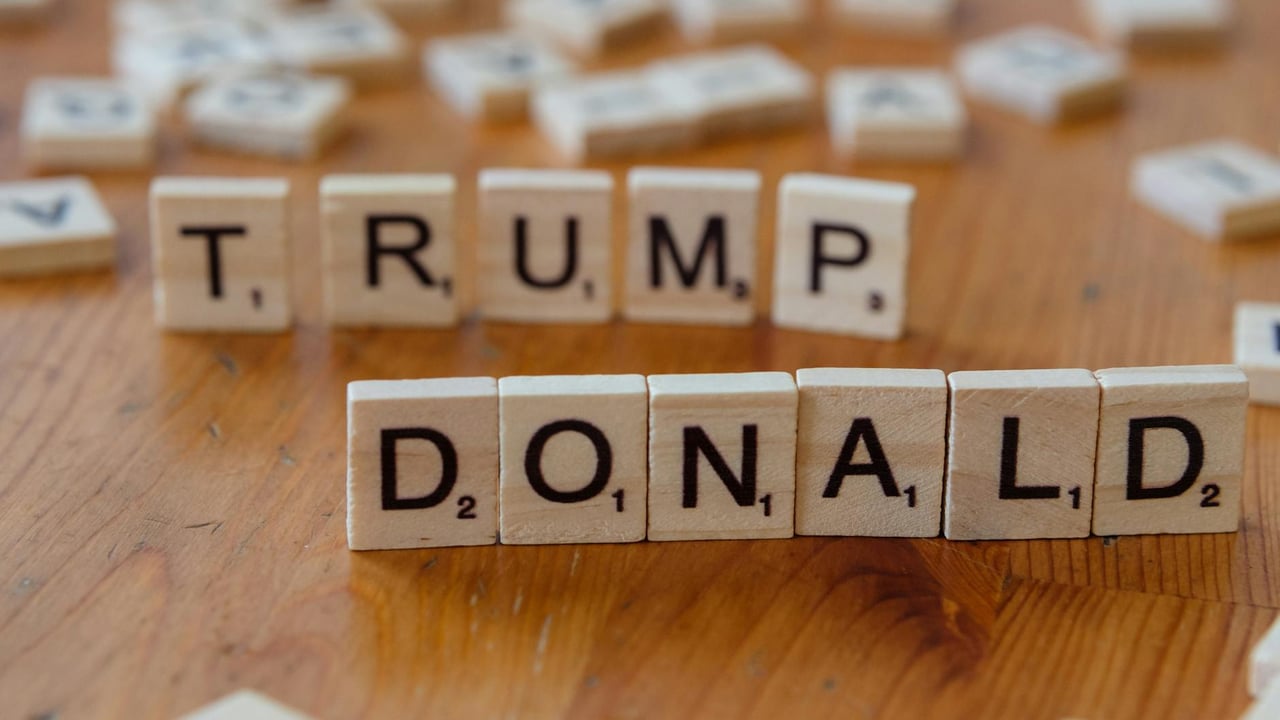
Close-up of Scrabble tiles spelling 'Donald Trump' on a wooden table.

Key Takeaways

  • 1Adoption of 'Constructive Strategic Stability' as the new official status of US-China relations.
  • 2The framework focuses on four dimensions: cooperation, tempered competition, controlled differences, and lasting peace.
  • 3A strategic three-year horizon has been established to provide bilateral predictability.
  • 4Xi Jinping emphasized Taiwan as the 'most important issue' and a non-negotiable red line.

Editor's
Desk

Strategic Analysis

The emergence of 'Constructive Strategic Stability' marks a sophisticated rebranding of the US-China rivalry, moving away from the 'managed competition' rhetoric toward something reminiscent of Cold War-era détente but with deeper economic stakes. By defining competition as 'benign' and 'tempered,' Beijing is essentially proposing a return to a more transactional diplomacy. However, the explicit warning that Taiwan is the 'maximum common denominator' for peace underscores that this stability is entirely conditional; the framework is less a final resolution of conflict and more a sophisticated containment strategy designed to prevent a structural breakdown while both nations navigate internal economic pressures.

China Daily Brief Editorial
Strategic Insight
China Daily Brief

The Great Hall of the People in Beijing served as the backdrop for a potential pivot in global geopolitics this week, as President Xi Jinping and a visiting President Donald Trump agreed to a new structural definition for the world’s most consequential bilateral relationship. Termed "Constructive Strategic Stability," the agreement aims to move beyond the reactive crisis management of previous years toward a more predictable, three-year strategic roadmap.

Chinese Foreign Ministry spokesperson Guo Jiakun later elaborated on the four pillars of this new doctrine, describing it as a framework where cooperation leads, competition is "tempered," and differences are kept within a controllable "normalcy." This shift suggests an attempt by both Beijing and Washington to institutionalize a "cold peace" that avoids the high-friction escalations seen in the early 2020s.

However, the diplomatic polish of the new framework did not obscure the perennial friction point of Taiwan. During the summit, Xi reportedly issued a stark reminder that the island remains the "most important issue" in the relationship, framing it as the ultimate determinant of whether the two superpowers remain on a path of stability or veer toward a "dangerous collision."

For the international community, this new positioning represents a tactical acknowledgment of mutual interdependence. By framing competition as "benign" and stability as "constructive," both leaders are signaling to their domestic audiences and global markets that they intend to lower the temperature, even if the underlying systemic rivalries remain deeply unresolved.

Share Article

Related Articles

📰
No related articles found