
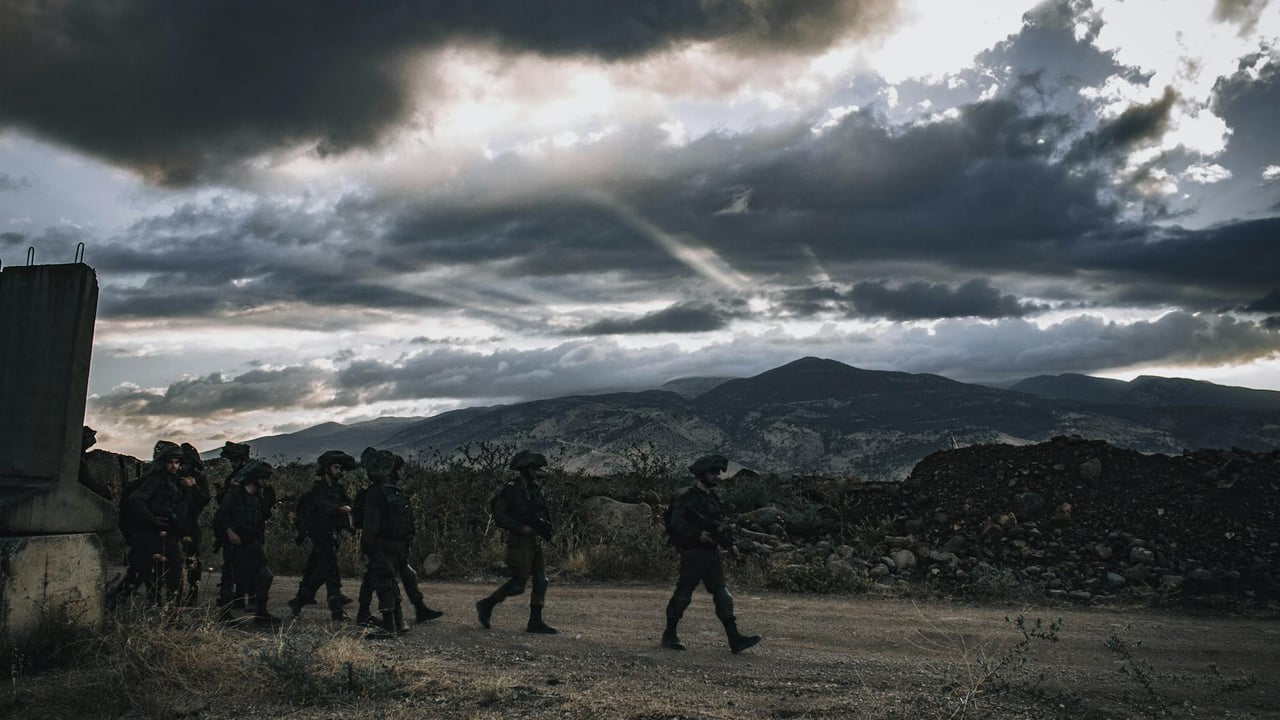

The landscape of Middle Eastern warfare has entered a new, more volatile phase, according to the latest assessments from the Israel Defense Forces (IDF). Speaking from the northern West Bank, IDF Chief of Staff Zamir articulated a vision of a 'new security reality' that has been forged across all active theaters. This terminology suggests that while the high-intensity phase of previous conflicts may have transitioned, the Israeli military has no intention of returning to the pre-war status quo.
Zamir’s rhetoric highlights a fundamental shift in Israeli strategic thinking: the move from reactive border defense to a doctrine of perpetual offensive posture. By stating that military operations are far from over, the IDF is signaling to both domestic and international audiences that the current state of mobilization is the new baseline. This 'permanent readiness' is designed to deter regional adversaries by demonstrating that Israel can pivot from defense to offense in an instant.
Perhaps the most provocative element of Zamir's briefing was the explicit expansion of the operational theater. The Chief of Staff noted that Israeli war footing now extends 'from the West Bank to Tehran,' a clear warning to the Islamic Republic regarding its support for regional proxies. By linking the security of the Levant directly to the Iranian capital, the IDF is effectively erasing the distinction between local border skirmishes and a broader regional confrontation.
On the ground, the friction remains constant and deadly. In the north, Israeli forces continue to push into the Litani River region of Lebanon, seeking to dismantle Hezbollah’s infrastructure and enforce a buffer zone. Simultaneously, offensive operations persist within the Gaza Strip, indicating that despite claims of a 'new reality,' the tactical grind of urban clearing and insurgency suppression remains a daily requirement for Israeli commanders.