
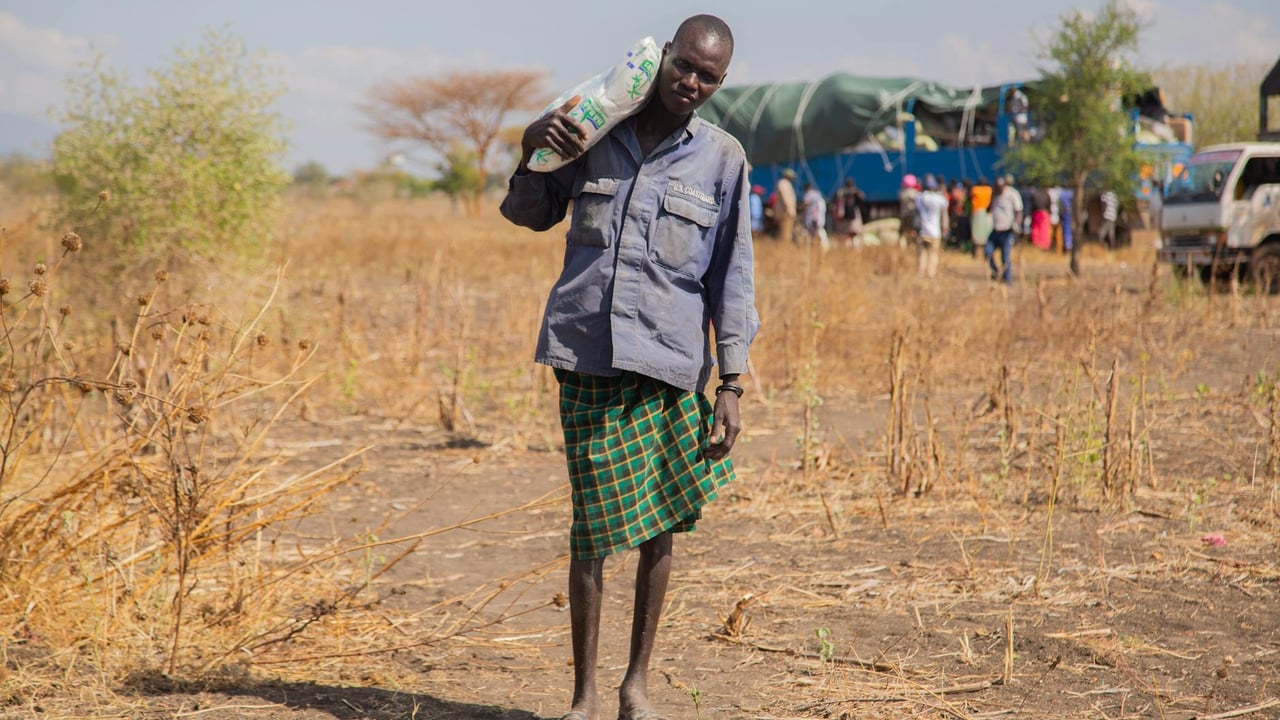

In the volatile landscape of South Sudan, the Tonj-Romich supply line serves as more than just a transit route; it is a vital artery for the United Nations Mission in South Sudan (UNMISS) and a lifeline for dozens of isolated villages. Spanning over 100 kilometers, this corridor is the primary conduit for humanitarian aid and security patrols. However, the early onset of the rainy season has turned the road into a treacherous expanse of mud and collapsing embankments, effectively severing access to basic necessities for the local population.
The 16th Chinese peacekeeping engineering contingent recently undertook the grueling task of rehabilitating this stretch under the protection of Nepalese forces. The logistical hurdles were immense, as the team had to traverse 150 kilometers of nearly impassable terrain just to reach the temporary camp. For local residents in towns like Diate, the state of the road determines their access to potable water, with many forced to spend half a day trekking through knee-deep mud to reach the nearest source.
Faced with the technical failure of traditional silt-based repairs, the Chinese engineers pivoted to a more durable strategy involving the transport of stable red soil from sites 80 kilometers away. To maintain traffic flow during construction, they implemented a staggered, two-phase approach, ensuring one lane remained operational while the other was reinforced. This method, combined with meticulous dredging of waterlogged sections before backfilling, reflects a level of engineering sophistication designed to withstand the region's harsh seasonal cycles.
Beyond the technical achievements, the presence of Chinese engineers in South Sudan underscores Beijing’s broader strategy of 'peace through development.' As local children salute the passing convoys and international counterparts offer praise, the infrastructure serves as a tangible manifestation of Chinese soft power. By focusing on high-impact, visible projects like road restoration, China reinforces its image as a provider of 'public goods' in the Global South, bridging the gap between military peacekeeping and long-term economic stability.