

The high-stakes summit held at Beijing's Great Hall of the People has yielded a rare moment of diplomatic synchronization between the world’s two largest powers. Beyond the usual rhetoric of economic cooperation, the most striking outcome of the meeting was a definitive joint stance on Middle Eastern security. Both nations explicitly agreed that Iran must never be permitted to possess nuclear weapons, marking a significant hardening of Beijing's public position on Tehran’s nuclear ambitions.
Energy security appears to be the primary driver behind China's shifting stance. The leadership in Beijing expressed deep concerns regarding the potential militarization of the Strait of Hormuz, advocating for the waterway to remain open to ensure the free flow of global energy supplies. To mitigate its own vulnerability to disruptions in the Middle East, China has signaled a strategic intent to increase its procurement of American oil, effectively trading a reliance on volatile transit routes for a more stable, if politically complex, energy relationship with the United States.
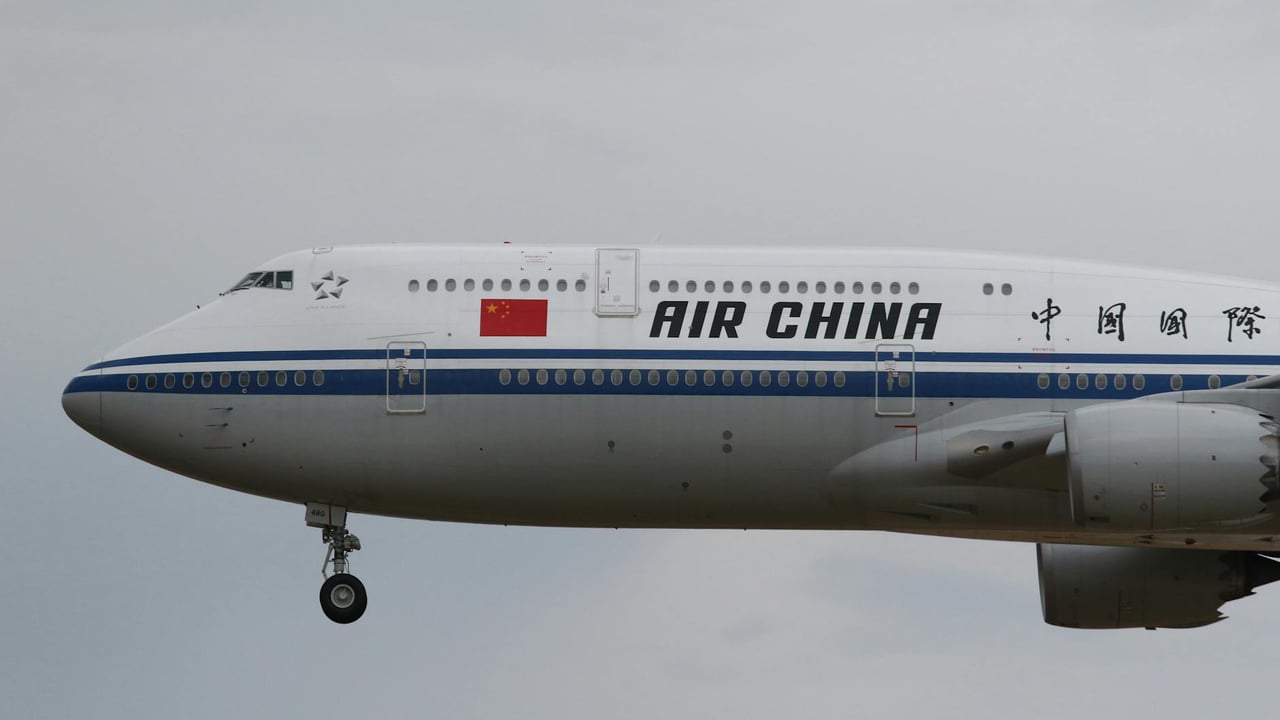
On the commercial front, President Trump personal diplomacy secured a commitment for China to purchase 200 Boeing aircraft. While the President characterized the deal as a monumental win for American industry, the markets were less sanguine. Boeing’s shares dipped over 4% as investors digested the fact that the 200-plane figure—while substantial—paled in comparison to earlier industry rumors suggesting a massive 500-jet order. This discrepancy highlights the persistent gap between political theater and market expectations in bilateral trade negotiations.
Domestic issues also featured prominently, with both sides pledging renewed vigor in the fight against fentanyl. The commitment to curbing the flow of precursor chemicals into the U.S. is being paired with a Chinese promise to ramp up purchases of American agricultural products. As the summit concluded with an invitation for a reciprocal state visit to the White House in September, the underlying message was one of cautious pragmatism: a mutual recognition that while systemic rivalry remains, tactical cooperation is essential for global stability.