
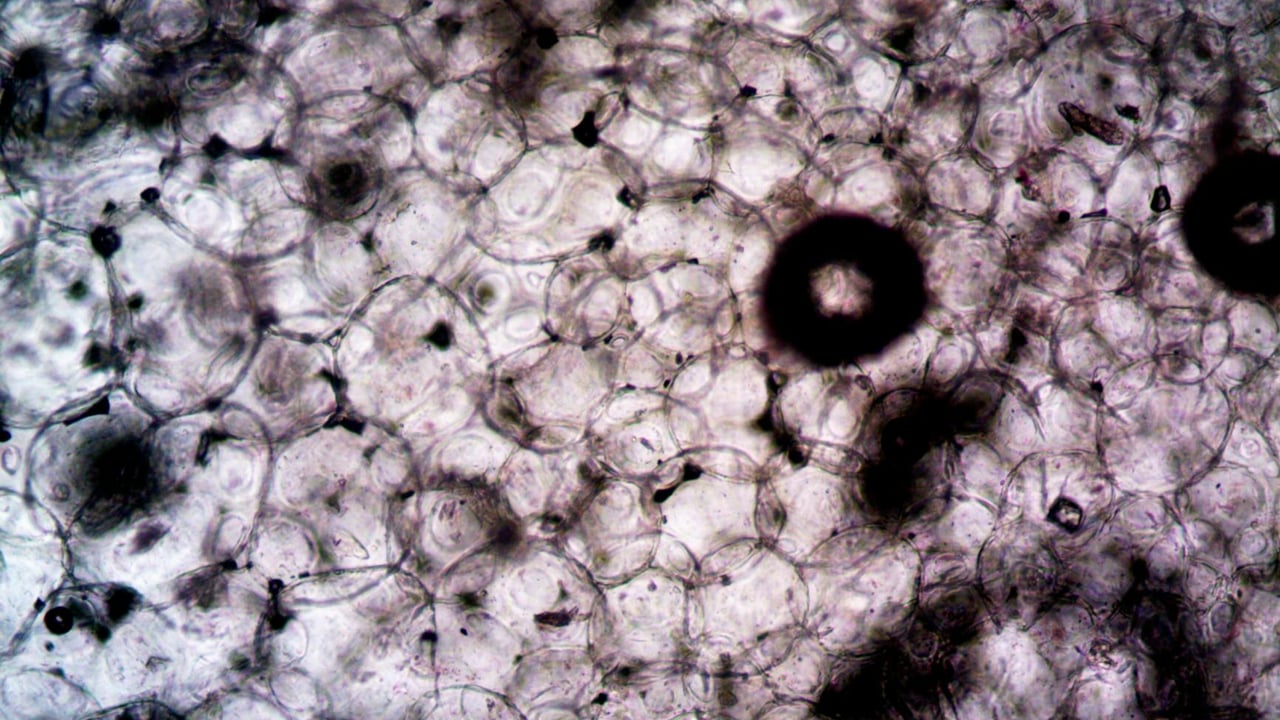

Yantai Zhenghai Bio-tech, a prominent player in China’s domestic regenerative medicine sector, has confirmed that its flagship human umbilical cord mesenchymal stem cell (hUC-MSC) project has officially entered the product validation phase. This transition marks a critical juncture for the firm as it moves from laboratory-scale development toward the rigorous standardization required for clinical applications and eventual commercialization.
The announcement, made during a recent investor interaction, highlights the company's strategic pivot toward high-value cellular therapies. Human umbilical cord mesenchymal stem cells are highly sought after in modern medicine for their potential to treat autoimmune diseases, accelerate tissue repair, and provide breakthroughs in orthopedic care. Unlike other stem cell sources, umbilical cord derivatives offer lower immunogenicity and high proliferative capacity, making them a cornerstone of the next generation of biological therapies.
While the project remains in the validation stage, Zhenghai’s progress is emblematic of a broader trend within the Chinese pharmaceutical landscape. Domestic firms are increasingly under pressure to move beyond mature medical devices and traditional bio-materials into the complex realm of 'living drugs.' This shift is supported by Beijing’s recent policy directives emphasizing 'New Quality Productive Forces' in the life sciences to reduce reliance on foreign medical innovation.
Moving forward, the success of the hUC-MSC project will depend heavily on navigating China’s evolving regulatory framework for cell-based products. The National Medical Products Administration (NMPA) has tightened oversight to ensure safety and ethical compliance, meaning that Zhenghai must balance rapid development with transparent data disclosure. Investors and industry analysts are watching closely to see if the firm can maintain its momentum through the upcoming clinical trial phases.