
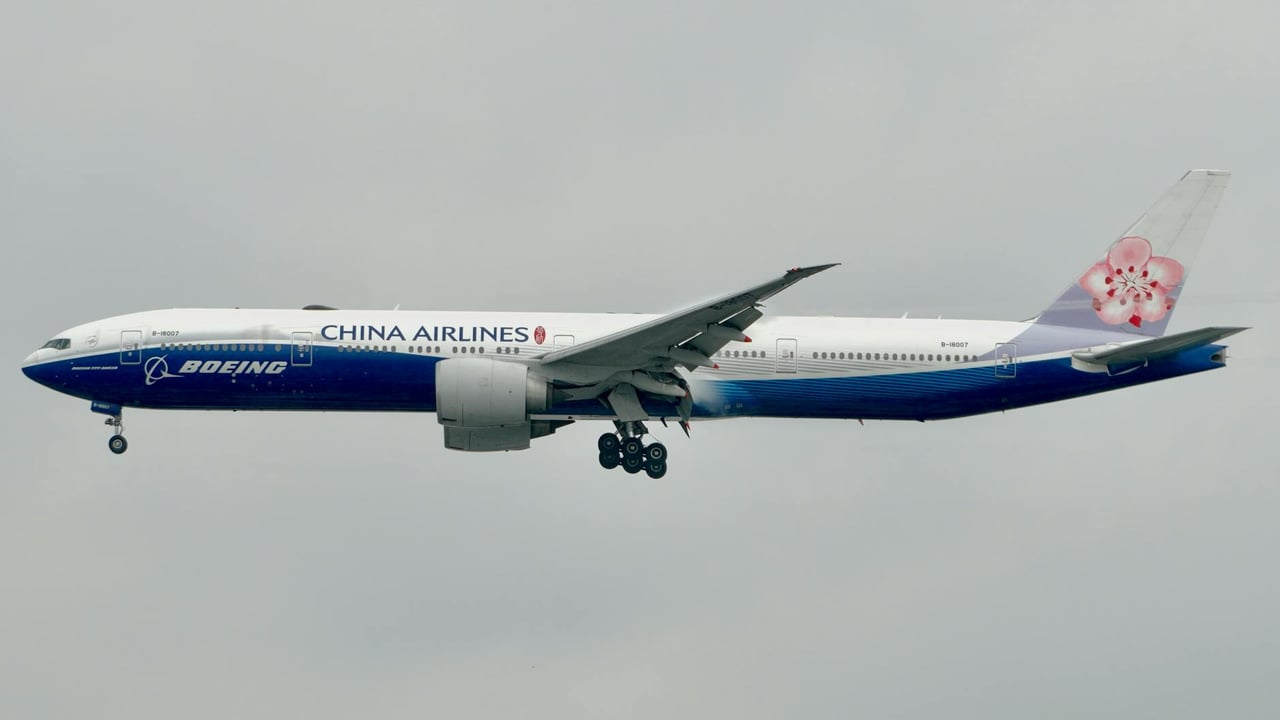

In a return to the high-stakes commodity diplomacy that defined his first term, U.S. President Donald Trump has concluded a state visit to Beijing by announcing that China has agreed to purchase 200 Boeing aircraft. The announcement, made as the President departed the Chinese capital, aims to frame the trip as a significant win for American manufacturing and a step toward reducing the persistent trade deficit. The deal, if finalized, would represent one of the largest single export agreements in aviation history, providing a critical lifeline to the Seattle-based aerospace giant.
Beijing’s official response has been notably more measured than the President’s triumphant rhetoric. At a press conference on May 15, Foreign Ministry spokesperson Guo Jiakun did not explicitly confirm the 200-plane figure but emphasized that the essence of China-U.S. economic and trade relations remains "mutually beneficial and win-win." The Chinese leadership appears to be framing these purchases as part of a broader effort to implement the consensus reached between the two heads of state, prioritizing stability in a global economy that has been rattled by years of geopolitical friction.
The visit was marked by a rare convergence of traditional industry and modern tech interests. Accompanying the President were several of America’s most influential tech titans, including Elon Musk, Tim Cook, and Jensen Huang. Their presence, alongside news that Washington has approved the sale of advanced Nvidia H200 chips to Chinese entities like Alibaba and Tencent, suggests a complex recalibration of the trade war. While Boeing represents the transactional side of the relationship, the tech delegation hints at a more nuanced "managed competition" in the AI and semiconductor sectors.
Observers note that this visit represents a strategic pause in the escalating rivalry between the world’s two largest economies. By offering large-scale purchase agreements, Beijing is effectively employing its "checkbook diplomacy" to mitigate the threat of further tariffs and trade restrictions. For the Trump administration, these visible "wins" serve as potent domestic political capital, even as the deeper structural tensions regarding industrial policy and national security remain largely unresolved.