Power Play at the Pavilion: Xi and Trump Seek Stability in Zhongnanhai’s Inner Sanctum

President Xi Jinping and U.S. President Donald Trump convened for private, small-group talks at the Zhongnanhai compound in Beijing. The high-stakes meeting aims to stabilize the volatile bilateral relationship through direct leader-to-leader engagement in a highly symbolic setting.

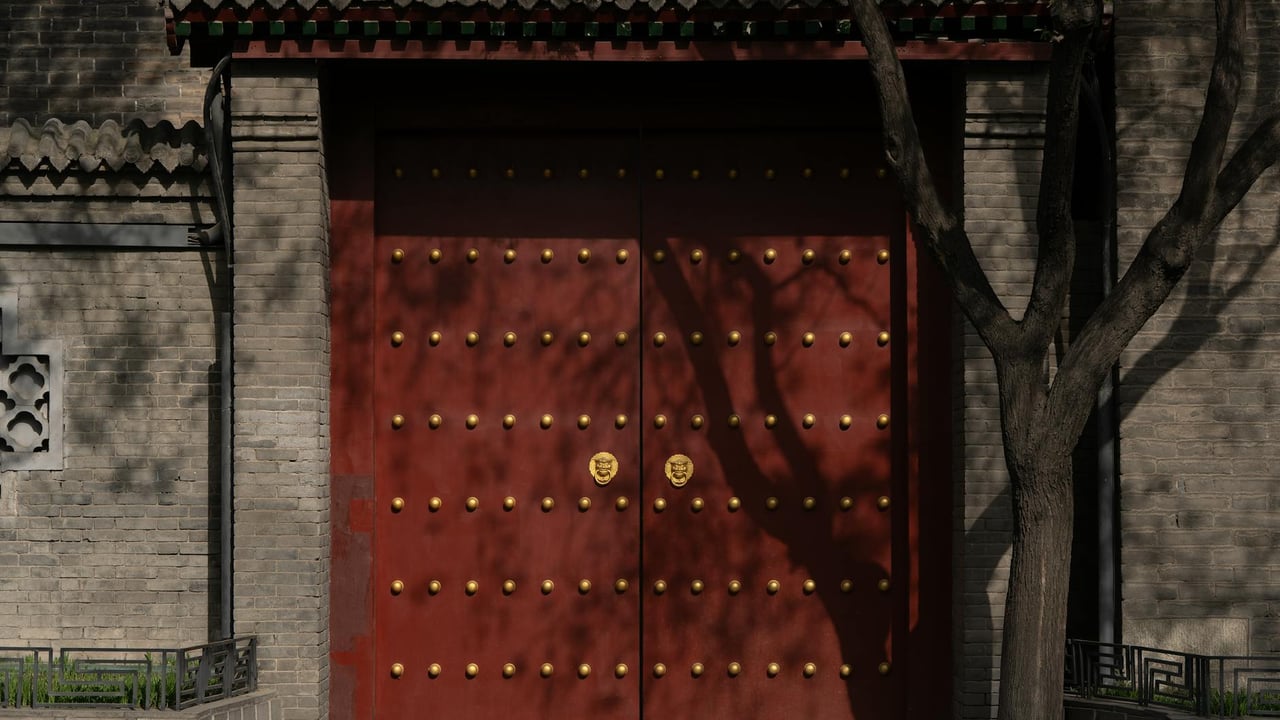
A historic red gate with gold studs, reflecting traditional Chinese architecture and culture.

Key Takeaways

  • 1The meeting took place on the morning of May 15, 2026, in Beijing's Zhongnanhai.
  • 2The 'small-group' (小范围) format indicates high-level, private negotiations rather than broad ministerial talks.
  • 3The event was prominently featured by state-run Xinhua News Agency, emphasizing its strategic importance.
  • 4The meeting highlights the continuation of 'leader-to-leader' diplomacy as a primary tool for managing U.S.-China friction.

Editor's
Desk

Strategic Analysis

The 'small-group' designation is the most critical element of this report, signaling that the core agenda is being handled directly by Xi and Trump along with only their most trusted advisors. Historically, such settings at Zhongnanhai are used to break deadlocks that formal diplomatic channels cannot resolve. By hosting Trump in the inner sanctum of Chinese power rather than the more public Great Hall of the People, Xi is signaling a level of respect and a 'personal touch' designed to appeal to Trump's preference for transactional, top-down diplomacy. This meeting likely serves as an attempt to establish a 'strategic floor' for the relationship, aiming to prevent the intense technological and economic competition from devolving into an open conflict.

China Daily Brief Editorial
Strategic Insight
China Daily Brief

In the heart of Beijing, within the high red walls of the Zhongnanhai leadership compound, a meeting occurred that signals a critical juncture in global geopolitics. On the morning of May 15, 2026, Chinese President Xi Jinping hosted U.S. President Donald Trump for a small-group meeting, a format historically reserved for the most sensitive and direct exchanges between world leaders.

The choice of venue—the seat of the Communist Party’s power—is laden with symbolic weight, suggesting a desire to bypass the bureaucratic friction of broader ministerial delegations. This intimate setting allows for the kind of personal diplomacy that both leaders have famously leaned on in the past to navigate the increasingly fractured Sino-American relationship.

As the two superpowers grapple with persistent trade imbalances and security concerns in the Indo-Pacific, the optics of this high-definition encounter are carefully managed by state media. For Beijing, the meeting serves as a demonstration of China’s Great Power Diplomacy and its ability to engage with Washington on equal footing despite escalating technological competition.

For the international community, the significance lies not just in the presence of the leaders but in the timing of their dialogue amidst a shifting global order. Whether this encounter leads to a tangible thaw or merely manages the existing cold peace remains the central question for observers in both capitals and beyond.

Share Article

Related Articles

📰
No related articles found