
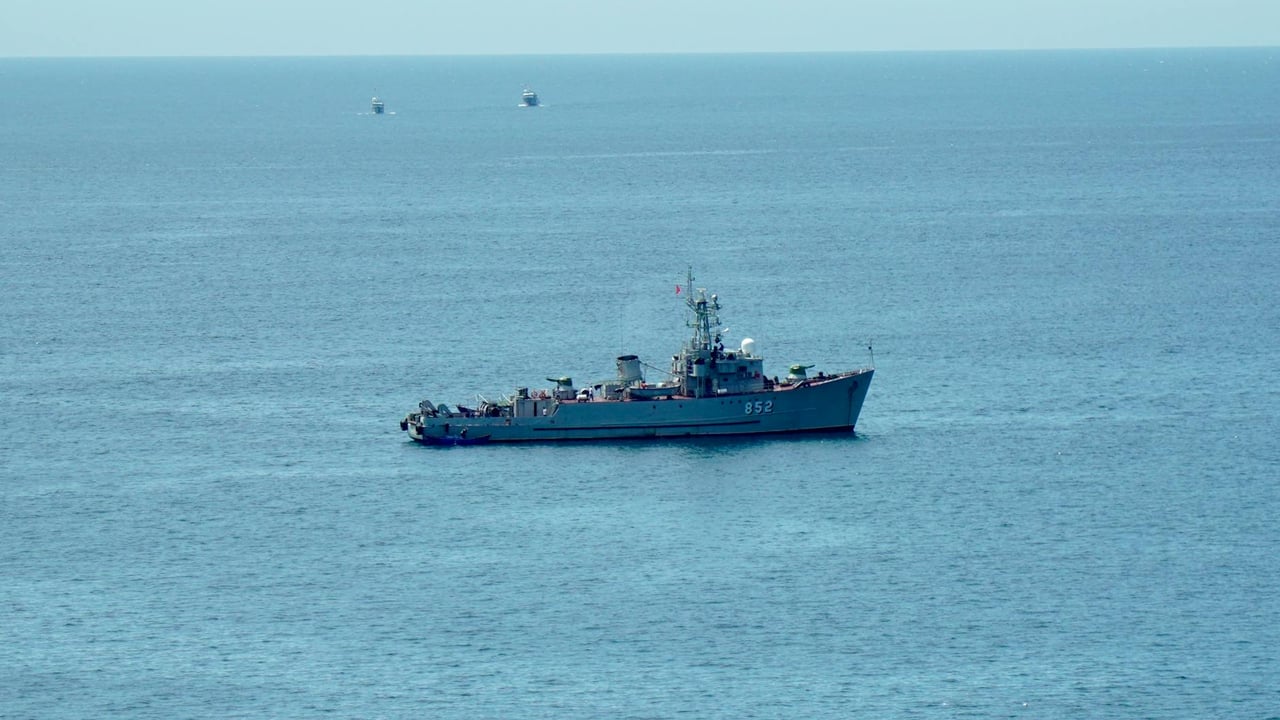

The People’s Liberation Army Navy (PLAN) has intensified its operational focus in the South China Sea, moving beyond the high-profile carrier deployments that typically dominate headlines. A recent live-fire exercise conducted by a specialized minesweeper flotilla underscores Beijing’s commitment to mastering the technical and often grueling discipline of anti-mine warfare. By simulating real-combat conditions, the drill aimed to refine the crew’s ability to detect, identify, and neutralize underwater threats with high precision.
While aircraft carriers and destroyers represent the 'teeth' of China’s naval power, the minesweeper fleet serves as the essential 'shield' for maritime logistics. The South China Sea is a critical corridor for global trade, and any disruption through naval mining could paralyze regional economies. These exercises demonstrate that the PLAN is systematically addressing its traditional vulnerabilities in sub-surface warfare, ensuring that its strategic waterways remain traversable for its own assets during a potential conflict.
This shift toward 'real-combat' training reflects a broader mandate from the Central Military Commission to move away from scripted maneuvers toward unpredictable, high-pressure scenarios. The reported success of the flotilla in accurately striking targets suggests a rising level of technical proficiency among junior officers and specialized technicians. It also serves as a subtle signal to regional rivals and the United States that China’s maritime denial capabilities are becoming increasingly multi-dimensional.
As the strategic competition in the Indo-Pacific deepens, the ability to clear or lay mines becomes a decisive factor in controlling naval choke points. By publicizing these drills, Beijing is asserting its role as the dominant maritime authority in the region, capable of securing or closing sea lines of communication at will. This technical mastery of 'silent' weaponry is just as vital to China’s regional strategy as its more visible blue-water ambitions.