

In the wake of President Donald Trump’s high-stakes visit to Beijing, the Chinese Ministry of Foreign Affairs is performing a familiar diplomatic dance. Spokesperson Guo Jiakun, facing a barrage of questions regarding specific trade wins, opted for the rhetoric of "mutual benefit" over hard figures. This cautious stance suggests that while the stage was set for grand announcements, the implementation phase remains a complex geopolitical puzzle.
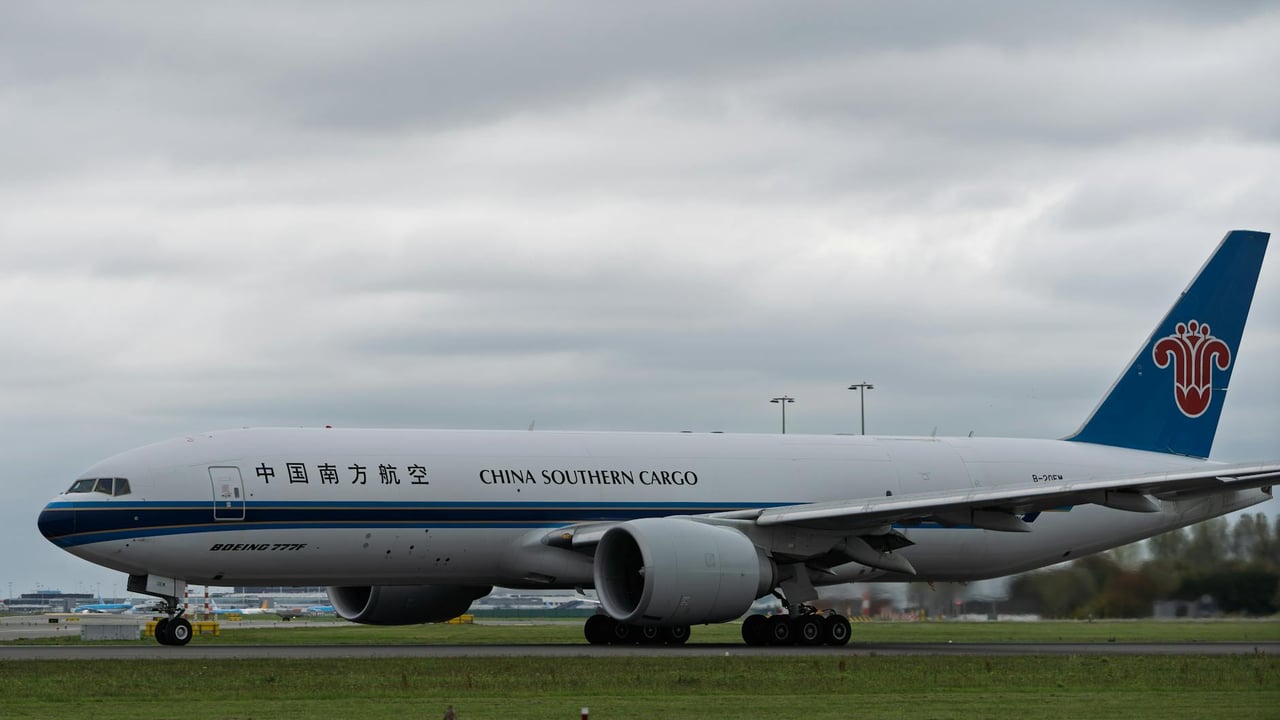
Central to the discussions were the linchpins of the U.S.-China trade relationship: agriculture, energy, and aviation. While Trump claimed a massive victory with the supposed sale of 200 Boeing aircraft, Beijing’s response was characteristically measured, framing the deal as a means to "inject stability" into the global economy rather than a finalized triumph. This suggests that China is leveraging its massive purchasing power as a tactical stabilizer to manage a volatile bilateral relationship.
On the strategic front, the discourse around rare earth minerals and artificial intelligence reveals deeper structural tensions. Guo’s emphasis on maintaining the "stability and security of global supply chains" serves as a subtle reminder of China's dominance in the rare earth sector. Meanwhile, the call for "inclusive and beneficial" AI development signals Beijing’s desire to remain a key player in global tech governance despite ongoing American efforts at containment.
Perhaps most telling was the linkage between energy security and geopolitical stability in the Middle East. By connecting future American oil purchases to the restoration of peace in the Gulf, Beijing is asserting its role as a global mediator. This maneuver effectively shifts the conversation from a bilateral transaction to a broader discussion of global responsibility, highlighting China’s evolving strategy in its dealings with a transactional Washington.