

For decades, the perceived technological chasm between the United States and China served as the primary deterrent against conflict in the Indo-Pacific. However, a series of recent strategic assessments suggest that this gap has narrowed to a critical point. While the U.S. Navy maintains a significant advantage in undersea warfare and nuclear-powered submarine technology, the broader military-industrial landscape tells a more complex and troubling story for Washington.
China’s rapid ascent is characterized not merely by the quantity of its naval vessels and aircraft, but by a qualitative leap in 'intelligentized' warfare. From sophisticated drone swarms to advanced cyber capabilities, Beijing has transitioned from a strategy of imitation to one of genuine innovation. This shift has forced Western analysts to reconsider the longevity of American conventional dominance, which was once considered unassailable.
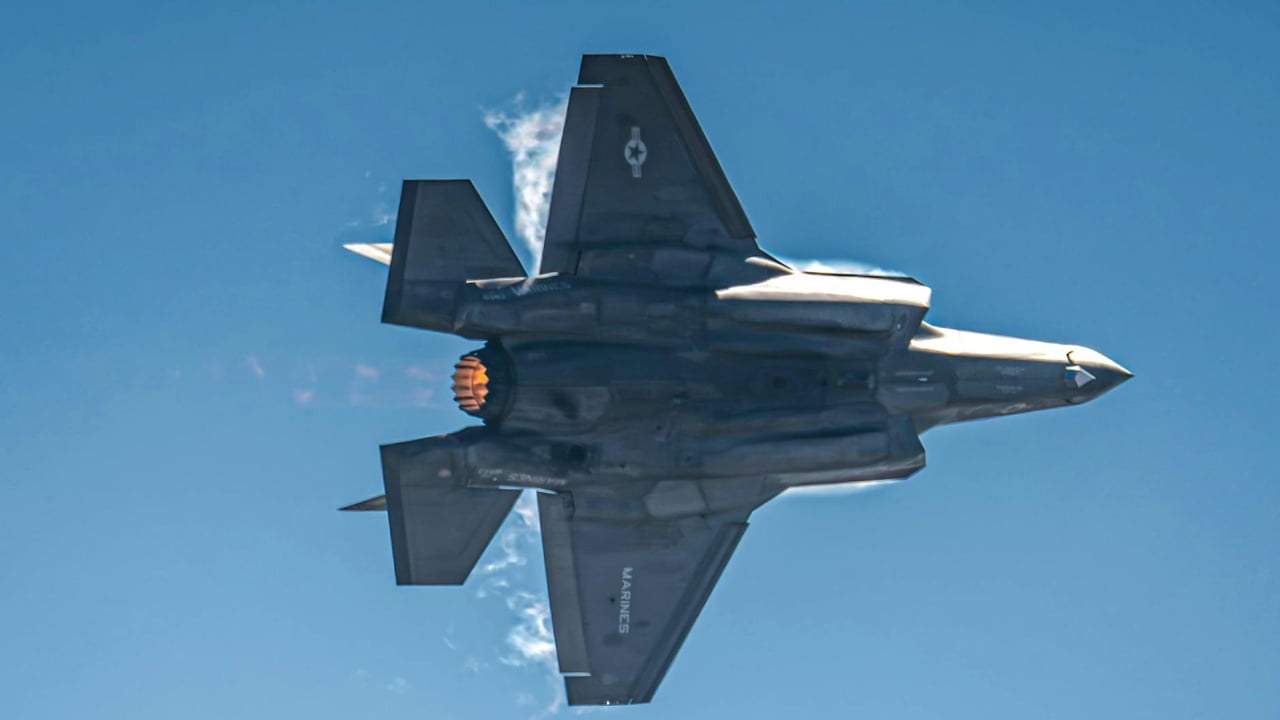
At the heart of this shift lies a divergence in industrial capacity and innovation cycles. The U.S. defense sector is currently grappling with the consequences of industrial hollowing, marked by ballooning costs and protracted development timelines for flagship platforms. Recent regional frictions have further exposed vulnerabilities in the American defensive umbrella, suggesting that high-end assets like the F-35 may no longer provide the absolute impunity they once promised in contested environments.
In contrast, China’s military-industrial complex benefits from a streamlined integration of civilian and military technological breakthroughs. By focusing on asymmetric capabilities—such as hypersonic missiles and pervasive electronic warfare—Beijing is effectively neutralizing traditional American power projection tools. The ability to iterate and deploy hardware at a pace that far exceeds Western procurement cycles is rapidly becoming China’s most potent strategic asset.
The future of great power competition will likely be determined not by total hull counts, but by the agility of each nation’s technological ecosystem. As the U.S. struggles to revitalize its manufacturing base and reform its acquisition processes, the window of clear superiority continues to close. The silent depths of the ocean may remain an American stronghold for now, but the surface and the skies are increasingly becoming a shared, and highly contested, domain.