
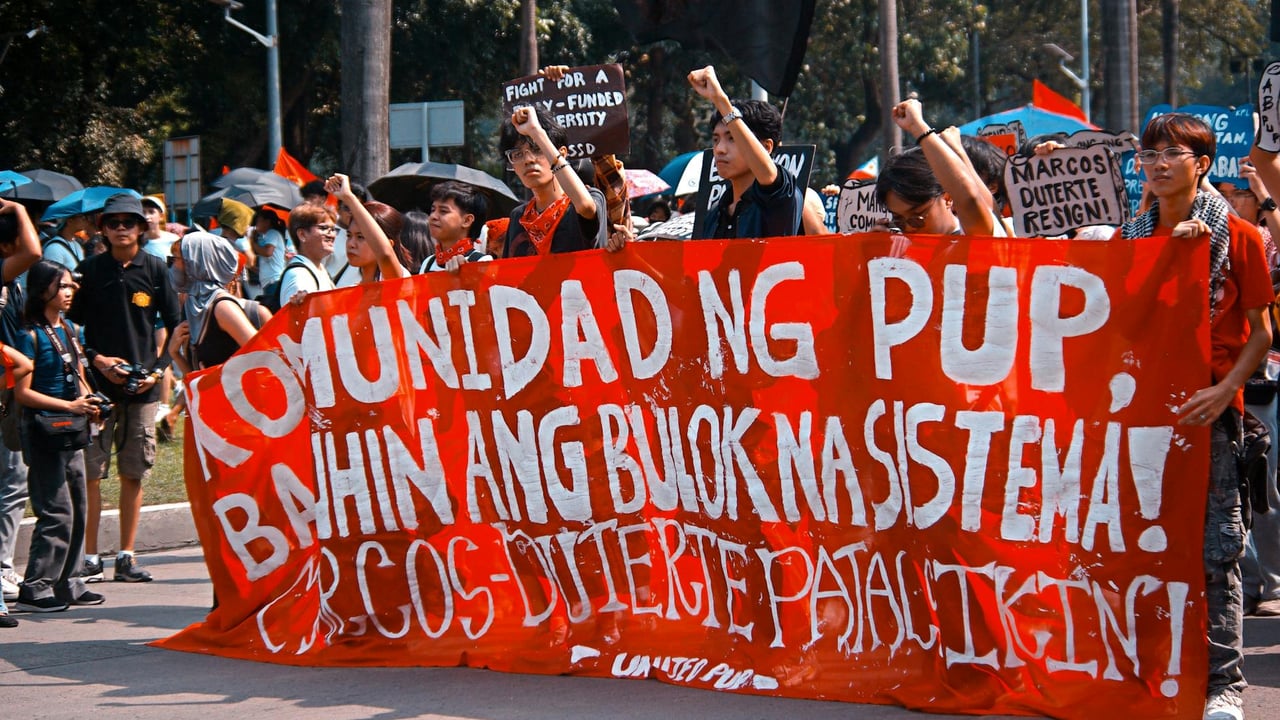

The echoes of gunfire within the Philippine Senate on May 13 have signaled a violent conclusion to the political marriage of convenience between President Ferdinand Marcos Jr. and the house of Duterte. At the center of the chaos is Senator Ronald 'Bato' dela Rosa, the former police chief and architect of the previous administration’s bloody war on drugs. His attempted arrest or detention within the legislative halls represents a profound breach of democratic norms and a desperate escalation in the country’s internal power struggle.
This incident is not merely a localized disturbance but a symptom of the deepening rift between the current administration and the loyalists of former President Rodrigo Duterte. For Marcos Jr., the necessity of consolidating power has led to an increasingly aggressive campaign to marginalize his former allies. However, the use of force within the halls of the Senate suggests a presidency struggling to maintain control through traditional political maneuvers, potentially backfiring by martyring his opponents.
Senator Dela Rosa’s predicament is intrinsically linked to the broader fate of the Duterte legacy, particularly as Vice President Sara Duterte faces the looming threat of impeachment in the House of Representatives. As the 'UniTeam' alliance that won the 2022 election dissolves into open warfare, the institutional stability of the Philippines is being tested. The military’s rapid public distancing from the Senate incident underscores a military establishment wary of being instrumentalized in a dynastic feud that mirrors the country's darker historical periods of martial law.
For the international community, particularly Beijing and Washington, this domestic volatility carries significant geopolitical weight. The Marcos administration’s decisive pivot toward the United States has been a cornerstone of its foreign policy, contrasting sharply with the Beijing-friendly stance of the Duterte era. If the internal pressure on Marcos Jr. continues to mount, his capacity to maintain a hardline stance in the South China Sea may be compromised by the need to manage a domestic insurrection or a total collapse of legislative support.
Ultimately, the 'Senate coup' and the surrounding theater of accusations reveal a nation at a crossroads between institutional rule and personality-driven vendettas. With the 2028 presidential election already casting a long shadow, the current administration’s attempt to uproot the Duterte influence may either secure the Marcos legacy or lead to a political vacuum. As both sides retreat into defensive postures, the prospect of a more conciliatory foreign policy toward China remains a lingering possibility should the pro-Western establishment falter under the weight of civil unrest.