
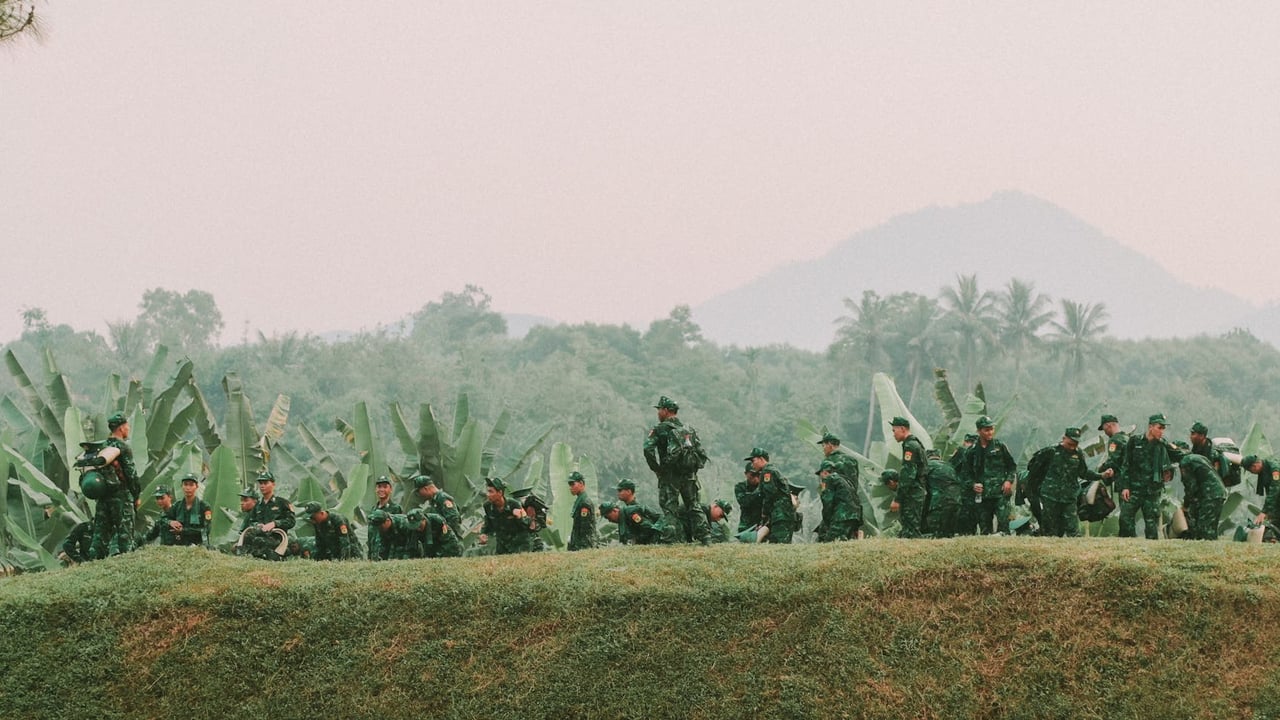

The People’s Liberation Army (PLA) has recently concluded a massive live-fire exercise involving a mechanized brigade that traversed over 1,000 miles across multiple geographic regions. This 'Steel Torrent' drill represents a significant stress test of China’s ability to project power far beyond localized theater boundaries, emphasizing what the military calls 'cross-domain mobility.' The exercise forced heavy armor and infantry units to maintain combat readiness while navigating complex logistics chains and varying terrain.
Moving a full brigade over such a distance is not merely a feat of driving; it is an intricate ballet of rail transport, highway mobilization, and tactical concealment. These drills serve as a practical application of the PLA's structural reforms, which aim to transform the Army from a static, defensive force into a flexible, trans-theater asset. By successfully conducting live-fire operations immediately following a long-distance transit, the unit demonstrated a high level of technical proficiency and operational stamina.
This demonstration comes at a time when the Central Military Commission is prioritizing 'all-domain operations,' requiring ground forces to be integrated seamlessly with air and electronic warfare assets. The ability to shift forces from the interior to the coastal or border regions within a narrow window is critical to China’s deterrent posture. It sends a clear message that the PLA's reach is no longer constrained by the traditional boundaries of its five Theater Commands.
Furthermore, the exercise highlights the increasing reliance on China's dual-use civilian infrastructure, including high-capacity rail lines and heavy-duty transport networks. The coordination between military command and civilian logistical support is a cornerstone of Beijing's 'Military-Civil Fusion' strategy. As these exercises become more frequent and larger in scale, they provide the PLA with the data necessary to refine its rapid reinforcement capabilities in the event of a regional crisis.