The Utility of Intelligence: Shanghai Telecom Turns AI Tokens into a Commodity

Shanghai Telecom has launched China's first telecom-integrated AI token packages, allowing users to buy 250,000 tokens for one yuan via their mobile bills. This move transforms AI computing power into a standard consumer utility, significantly lowering the barrier for AI adoption in the world's second-largest economy.

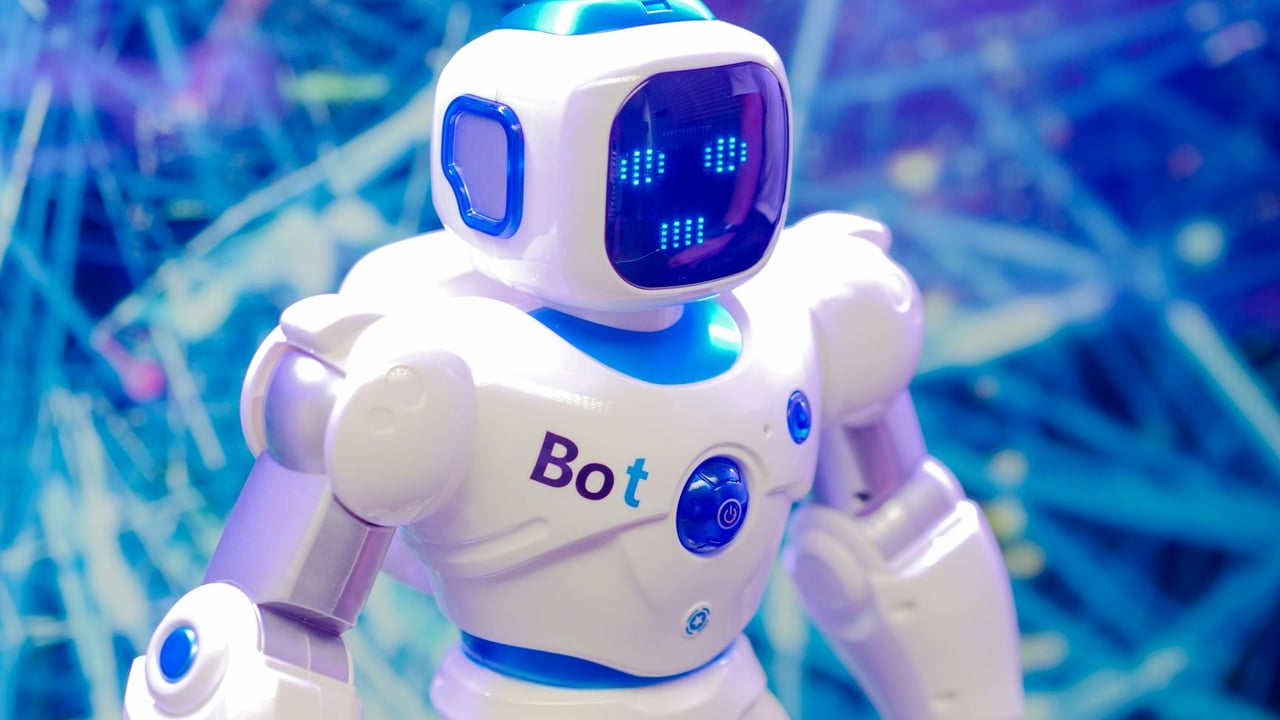
High-tech humanoid robot with LED face display, showcasing modern robotics and innovation.

Key Takeaways

  • 1Shanghai Telecom is the first carrier in the city to offer AI tokens as a retail service.
  • 2The pricing is set at 1 RMB per 250,000 tokens, compatible with models like Moonshot AI's Kimi-K2.5.
  • 3Payment is integrated directly into mobile phone bills, simplifying the user experience for mass-market AI adoption.
  • 4The move signals the 'utilitization' of AI, treating LLM compute like data or electricity.
  • 5This initiative supports China's broader 'AI Plus' national strategy to integrate AI across all sectors.

Editor's
Desk

Strategic Analysis

Shanghai Telecom’s entry into the token market represents a strategic 'utilitization' of artificial intelligence. By decoupling AI access from specific software platforms and tethering it to a telecommunications bill, the carrier is helping to standardize AI as a foundational layer of the digital economy. This is a classic Chinese industrial play: scale and infrastructure integration are used to drive down costs and accelerate adoption. For the global market, this highlights a divergent path; while Western AI companies largely favor proprietary subscription models (SaaS), China is leaning toward an infrastructure-led model where state-linked telcos act as the primary distributors of compute. This could lead to faster mass-market penetration but also suggests a future where AI access is tightly integrated with state-regulated communication channels.

China Daily Brief Editorial
Strategic Insight
China Daily Brief

In a move that signals the deepening integration of artificial intelligence into daily digital infrastructure, Shanghai Telecom has officially launched the city’s first dedicated 'Token' tariff packages. This initiative allows consumers to purchase AI computing power as easily as mobile data, with pricing set at a competitive rate of one yuan for 250,000 tokens. By leveraging the existing billing systems of a major state-owned carrier, the move simplifies the monetization of large language models for the mass market.

Tokens are the fundamental units of measurement for Large Language Models (LLMs), representing fragments of words used by AI to process and generate text. Shanghai Telecom’s new service specifically highlights compatibility with Moonshot AI’s Kimi-K2.5 model, providing enough capacity for extensive document analysis or creative writing tasks. The service is designed with flexibility in mind, offering both pay-as-you-go options and bulk discounts for heavy users, all conveniently billed through the user's monthly mobile statement.

This development marks a significant pivot in how AI services are distributed in China. Traditionally, LLM access has been managed through individual app subscriptions or enterprise-level API keys. By bringing token sales into the telecommunications ecosystem, Shanghai Telecom is effectively treating AI compute as a public utility—no different from water, electricity, or cellular bandwidth. This approach significantly lowers the barrier to entry for developers and casual users alike who may not want to manage multiple third-party accounts.

Furthermore, the pricing reflects a broader trend of aggressive cost reduction within China’s domestic AI sector. As tech giants and startups battle for dominance, the cost of intelligence is plummeting. Shanghai Telecom’s role as an intermediary suggests that carriers are looking to move beyond being 'dumb pipes' for data, instead positioning themselves as essential brokers in the burgeoning 'AI Plus' economy envisioned by central policy planners.

Share Article

Related Articles

📰
No related articles found