
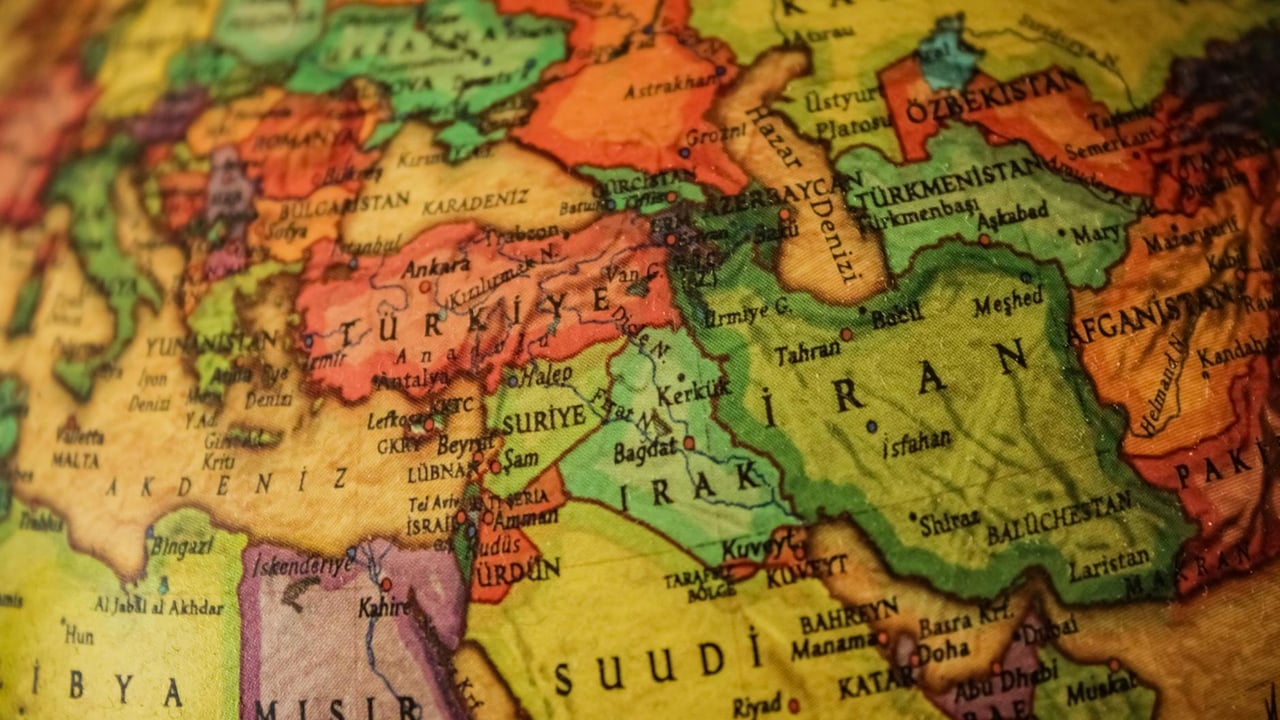

In the wake of the devastating military confrontations involving the United States, Israel, and Iran, Riyadh is attempting to rewrite the region’s security architecture. The Saudi leadership is reportedly leading deep consultations with regional allies to establish a formal non-aggression pact with Tehran, signaling a departure from decades of zero-sum bloc politics. This initiative aims to institutionalize conflict management and move beyond the volatile cycles of hostility that have long defined Persian Gulf relations.
This strategic pivot reflects a growing consensus among Gulf monarchies that a 'de-Americanized' security order is necessary for long-term regional survival. Even after a conflict that has significantly degraded Iran’s conventional military capabilities, Riyadh recognizes that the Islamic Republic’s asymmetric influence and missile reach remain a persistent reality. Rather than relying on short-term ceasefires, the Kingdom is seeking a permanent multilateral framework to neutralize these threats.
To navigate this complexity, Saudi Arabia is looking toward the 1970s European model of the Helsinki Accords. By creating a platform for dialogue and mutual security guarantees, the Kingdom hopes to adapt the Cold War-era strategy of stabilization to the modern Middle East. This proposal has already gained significant traction in Europe, with EU officials actively encouraging other Gulf states to join the framework as a means of providing Iran with enough security assurance to prevent future preemptive strikes.
However, the path to a regional grand bargain remains littered with diplomatic landmines, notably the escalating vitriol between Tehran and Abu Dhabi. Iranian Foreign Minister Abbas Araghchi’s recent public condemnation of the United Arab Emirates for its perceived complicity in US-Israeli military actions underscores a deepening schism. While Saudi Arabia builds a bridge toward peace, the overt hostility between Iran and the UAE reveals a fractured regional landscape that could derail the vision of a unified security pact.