
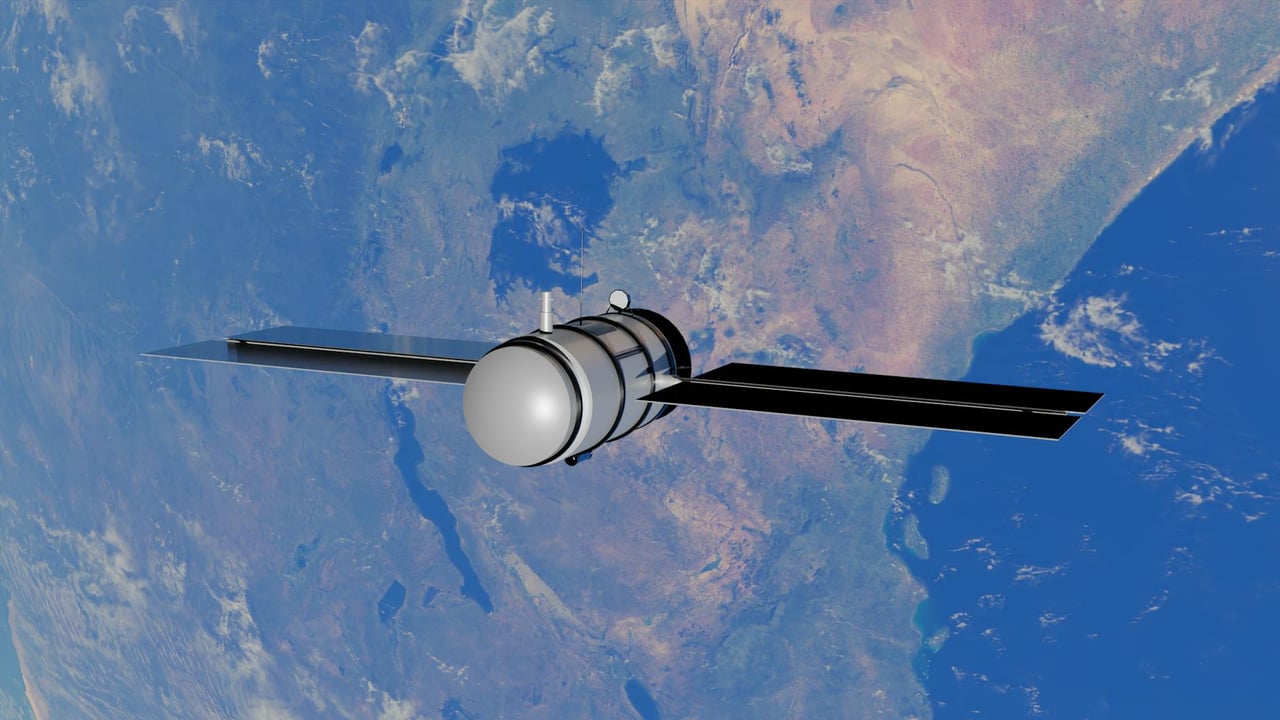

Japan has officially inaugurated its 'satellite constellation' network, an orbital infrastructure project designed to provide the precision intelligence and targeting data necessary for its nascent long-range missile programs. By providing persistent overhead monitoring, this network acts as the 'eyes' for a military that is rapidly shifting its posture from passive defense to proactive deterrence. This operational milestone, which began in April, signals Tokyo's commitment to building a self-reliant 'kill chain' capable of identifying and tracking targets across the region.
The deployment of this space-based intelligence system coincides with the positioning of 'Type 25' surface-to-ship missiles in Kumamoto Prefecture. These missiles possess an operational range of approximately 1,000 kilometers, a distance that significantly exceeds the immediate vicinity of the Japanese archipelago. By pairing these long-range projectiles with dedicated satellite reconnaissance, Japan is effectively establishing a 'Counterstrike Capability' that can reach deep into the maritime and coastal territories of its neighbors.
This strategic pivot represents a definitive departure from Japan’s traditional post-war security constraints. While the Japanese government maintains that these assets are essential for national sovereignty and deterrence in an increasingly volatile Indo-Pacific, the 'offensive' nature of 1,000-kilometer missiles has sparked significant domestic debate. Critics argue that the ability to strike 'enemy bases' fundamentally undermines the spirit of the nation’s pacifist constitution, though regional security realities appear to be driving the policy forward.
The integration of the satellite constellation into missile operations marks a technical evolution in how Tokyo views modern warfare. It is no longer enough to possess the 'sword' of long-range weaponry; the military now requires the sophisticated sensor network to guide it. As Japan continues to build out this multi-layered defense architecture, the balance of power in the East China Sea enters a new and more complex chapter, characterized by high-tech surveillance and long-distance precision fire.