
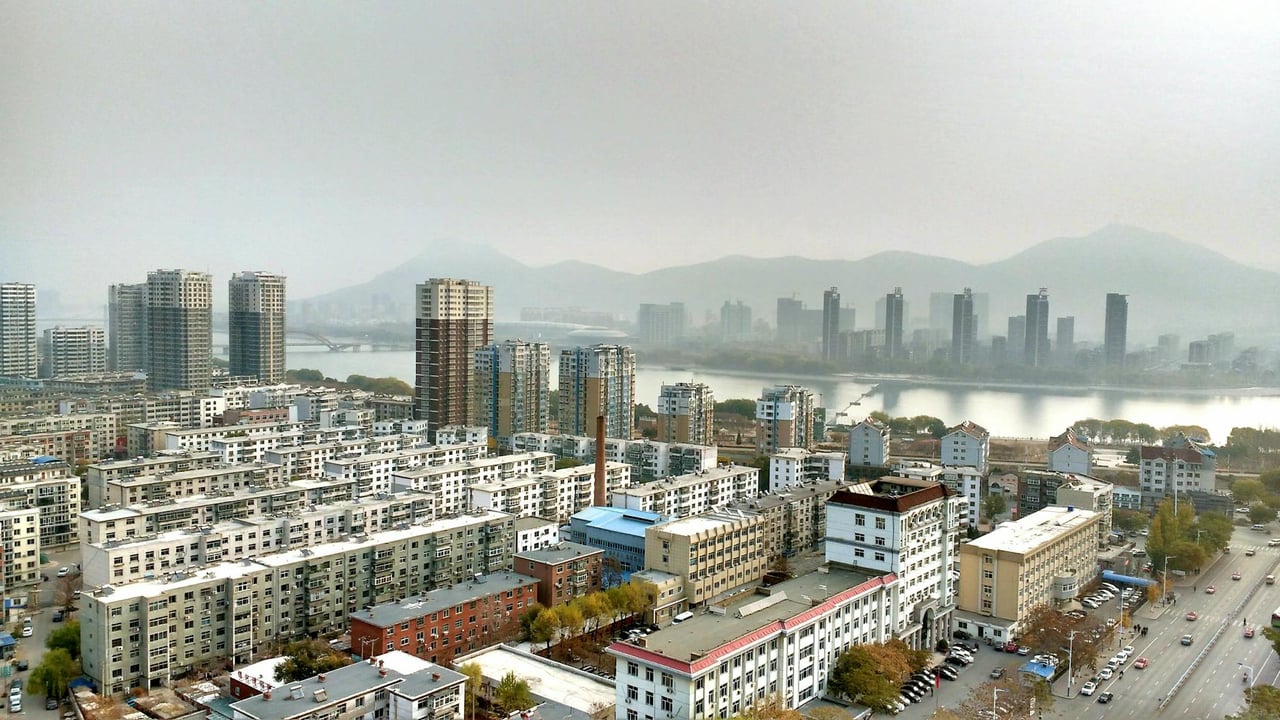

For a generation raised in China’s northeastern 'Dongbei' region, the path to adulthood has become a binary choice: stay for stability within a family network or leave for the promise of a future elsewhere. Momo, a visual designer from Liaoyang, is emblematic of this struggle, having followed the gravitational pull of Beijing’s once-booming internet sector. Like many of her peers, she found that while the capital offered higher wages, it lacked the long-term security of the hometown she felt forced to abandon.
Between 2016 and 2025, the three provinces of Northeast China—Liaoning, Jilin, and Heilongjiang—saw their combined population plummet by a staggering 10.51 million people. This decline is not merely a matter of migration; it is a 'pincer movement' of massive human outflow and a deepening natural population deficit. In provinces like Liaoning, death rates have surged to triple the birth rates, marking a demographic crisis that outpaces the national average.
The statistical regression is startling, effectively undoing decades of growth. Heilongjiang’s current population of 30 million has retreated to levels not seen since the mid-1970s, while Jilin’s demographic footprint now mirrors the mid-1980s. This contraction signals a profound shift for a region that was once the industrial heartbeat of the People’s Republic, now struggling to redefine its relevance in a post-industrial economy.
While the exodus to Beijing is driven by the capital's status as a northern economic hub, the significant flow toward Shandong province reveals deeper historical ties. Experts point to the 'Chuang Guandong' legacy—a period when Shandong residents migrated north to settle the frontier—as a foundation for modern movement. Today, the descendants of those pioneers are returning to Shandong, drawn by a more vibrant job market and ancestral connections that offer a sense of belonging.
Within the Northeast itself, a 'South-Strong, North-Weak' pattern is emerging. Migrants are increasingly gravitating toward southern coastal hubs like Dalian and Shenyang, seeking refuge in the region's last remaining bastions of economic growth. This internal migration suggests that the regional crisis is uneven, as rural and resource-depleted northern cities hollow out while the southern urban centers reach their carrying capacity.
The human cost of this shift is reflected in the lives of those who return. After being caught in Beijing’s tech layoffs, Momo returned to Liaoyang to find a stagnant job market, leading her to join the millions competing for limited civil service positions. Her story highlights a critical mismatch: the region’s traditional strengths in heavy industry and state-owned enterprises provide little sanctuary for the creative and digital professionals the modern economy produces.
Some analysts argue that this shrinkage, while painful, is a necessary market correction. As population density thins, per-capita resources may rise, potentially allowing for higher levels of automation and a more efficient allocation of public services. The rise of 'digital nomads' in low-cost cities like Hegang suggests a niche future where the region’s low cost of living becomes its primary competitive advantage in a remote-work era.
Ultimately, the challenge for Beijing and regional leaders is no longer about stopping the leak, but managing the contraction. The 'Northeast Revitalization' strategy is pivoting from a desperate attempt to reclaim past industrial glory toward a more realistic goal of 'smart shrinkage.' Success will be measured not by headcount, but by whether the region can provide a dignified quality of life for an aging, smaller population while maintaining its strategic role as a resource and agricultural base.