Tokyo’s Tactical Pivot: Japan Activates Spy Satellites and Eyes Missile Exports

Japan has operationalized a new military satellite network and is considering exporting offensive missiles to the Philippines, marking a sharp pivot toward proactive defense. These moves, supported by new intelligence-sharing legislation, have sparked domestic protests and regional concerns over Tokyo's departure from its long-standing pacifist stance.

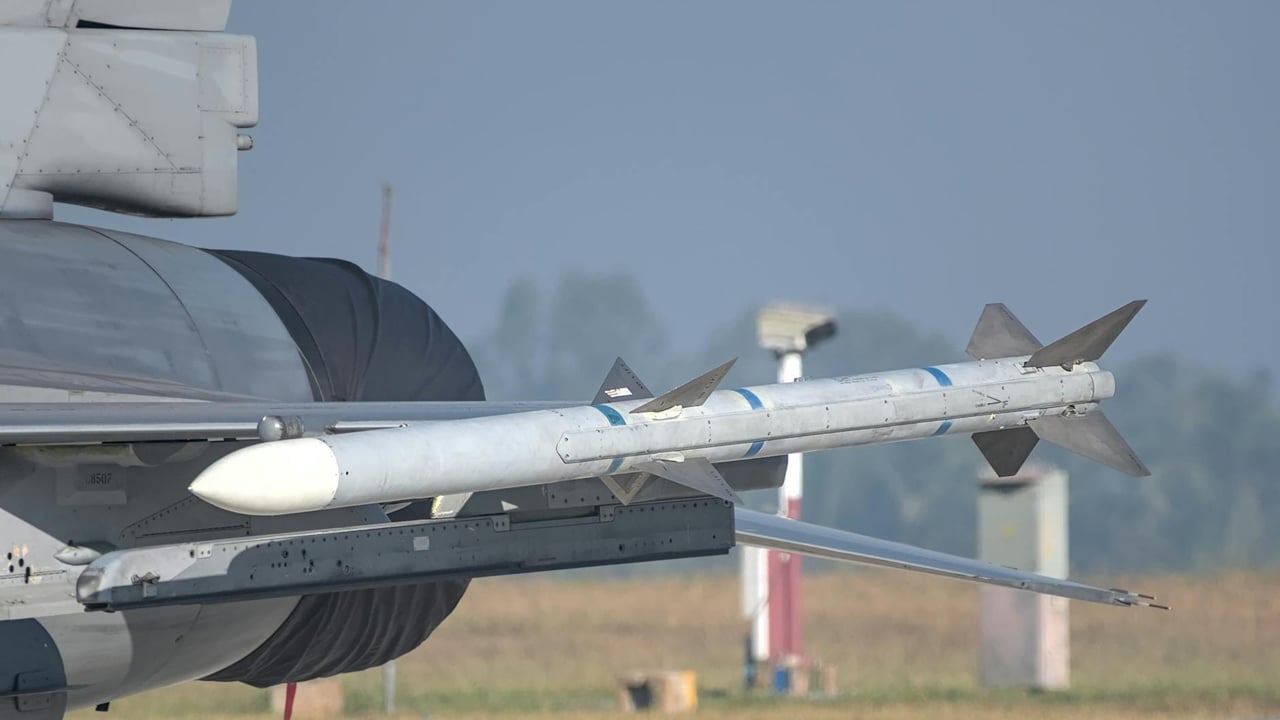
Close-up of a missile mounted on a military aircraft wing at an airshow in Bengaluru, India.

Key Takeaways

  • 1Japan's Ministry of Defense activated a low-earth orbit 'Satellite Constellation' in April to support long-range missile targeting.
  • 2The government is considering the export of Type 88 surface-to-ship missiles to the Philippines following a relaxation of arms export rules.
  • 3A new 'National Intelligence Council' is being established to coordinate satellite intelligence and military decision-making.
  • 4Domestic opposition is intensifying, with protesters claiming the current administration is dismantling the framework of Japan's pacifist constitution.
  • 5Strategic analysts suggest these moves are intended to increase Japan's military footprint in the South China Sea and enhance regional deterrence.

Editor's
Desk

Strategic Analysis

Japan’s recent actions signify a definitive shift from a purely reactive 'Shield' to a proactive 'Spear' capability within the U.S.-Japan alliance. By building a sovereign satellite architecture and engaging in missile diplomacy with the Philippines, Tokyo is signaling its willingness to act as a regional security provider rather than just a silent partner. However, the decision to export older Type 88 missiles serves two purposes: it facilitates a 'strategic hand-me-down' that bolsters Manila’s littoral defense while clearing inventory for Japan’s own transition to advanced Type 12 and hypersonic systems. The domestic backlash highlights a growing divide between the government’s realist assessment of the regional security environment and a public still deeply committed to constitutional pacifism.

China Daily Brief Editorial
Strategic Insight
China Daily Brief

Japan has reached a significant milestone in its defense modernization with the operational launch of its 'Satellite Constellation' as of April 2024. This low-earth orbit reconnaissance network is designed to serve as the 'eyes' for Japan’s emerging long-range counterstrike capabilities, providing the high-precision targeting and surveillance necessary for missile systems. The Ministry of Defense views this as a critical component of its integrated defense strategy, moving beyond traditional surveillance toward active engagement support.

Simultaneously, the administration is exploring the export of Type 88 surface-to-ship missiles to the Philippines, a move that would represent Japan’s first international transfer of lethal offensive hardware. While Defense Minister Minoru Kihara has noted that arrangements are not yet finalized, the recent test-firing of these missiles during the U.S.-Philippines 'Balikatan' drills signals a clear intent. This shift is made possible by the recent revision of the 'Three Principles on Defense Equipment and Technology Transfer,' which significantly relaxes restrictions on arms exports.

Legislative efforts to consolidate this military posture are also advancing through the National Diet. A bill to establish a 'National Intelligence Council' is currently moving through the House of Councillors after clearing the House of Representatives with a majority vote. This new body is expected to streamline intelligence sharing between the Cabinet and the Self-Defense Forces, specifically focusing on the strategic application of satellite-derived data for military decision-making and operational planning.

Despite the rapid pace of these reforms, the Takaichi administration faces persistent domestic friction. Protesters gathered outside the Prime Minister’s official residence to voice concerns over what they describe as a departure from Japan’s 'Peace Constitution.' Critics argue that the push for counterstrike capabilities and the removal of export barriers risk involving Japan in regional conflicts, particularly in the South China Sea, where the transfer of missiles to Manila could exacerbate existing tensions with Beijing.

Share Article

Related Articles

📰
No related articles found