
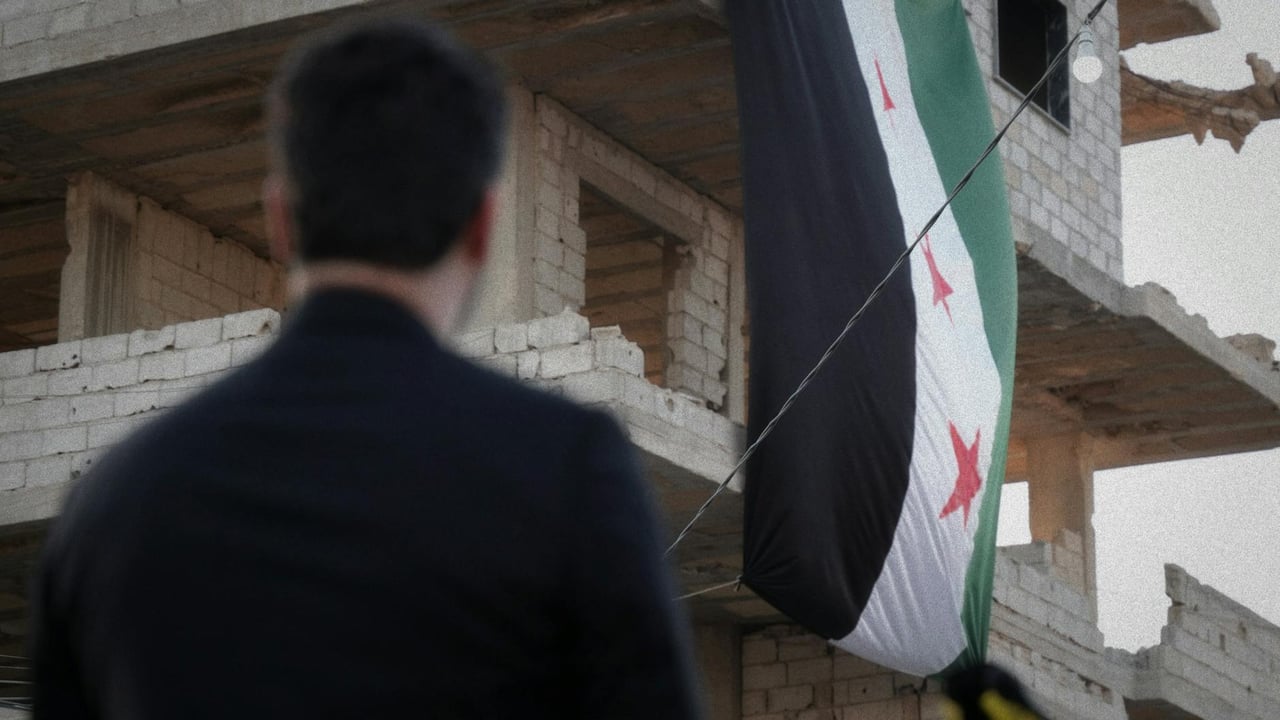

As the Middle East grapples with the cascading effects of regional conflict, China is positioning itself as a decisive voice for stability in a war-torn Syria. At a recent United Nations Security Council session, China’s Permanent Representative, Ambassador Fu Cong, articulated a strategic vision for the country that prioritizes counter-terrorism and sovereign integrity over the interventionist models often favored by Western powers. The address comes at a precarious moment for Damascus, as the threat of regional spillover from the Gaza conflict looms large.
Beijing’s approach centers on three fundamental pillars: an inclusive political transition, the eradication of militant groups, and sustained international investment. Fu Cong emphasized that while Syria’s overall violence has subsided, the security situation remains dangerously fragile. He specifically called for the elimination of the East Turkestan Islamic Movement (ETIM), a group Beijing views as a direct threat to its domestic security, signaling that Syria’s stability is inextricably linked to China’s own counter-terrorism objectives.
The diplomatic push also highlighted a burgeoning humanitarian crisis exacerbated by donor fatigue. With the World Food Programme slashing emergency aid due to severe funding shortages, China is urging the international community to shift from temporary relief to long-term economic reconstruction. By framing the humanitarian issue as a matter of "dignity" and resource security, Beijing is challenging the efficacy of the current international aid architecture, which it views as politically hampered by sanctions and Western priorities.
Furthermore, the rhetoric at the UN underscores China's broader ambition to act as a guarantor of the international order based on the UN Charter. Fu Cong explicitly called for the respect of Syria's sovereignty and territorial integrity, including a demand for Israel to cease military operations within Syrian borders and withdraw from the occupied Golan Heights. This stance not only aligns with traditional Chinese foreign policy but also serves to consolidate Beijing's role as a champion for Global South interests against what it perceives as external interference.