

Aboard Air Force One on May 16, 2026, President Donald Trump signaled a significant recalibration of his administration’s Middle East policy. Speaking to reporters following a high-stakes diplomatic visit to Beijing, Trump indicated he would accept a 20-year moratorium on Iran’s nuclear program. This pivot marks a departure from his long-standing demand for the permanent and total dismantling of Tehran’s enrichment capabilities, suggesting a shift toward a time-bound containment strategy.
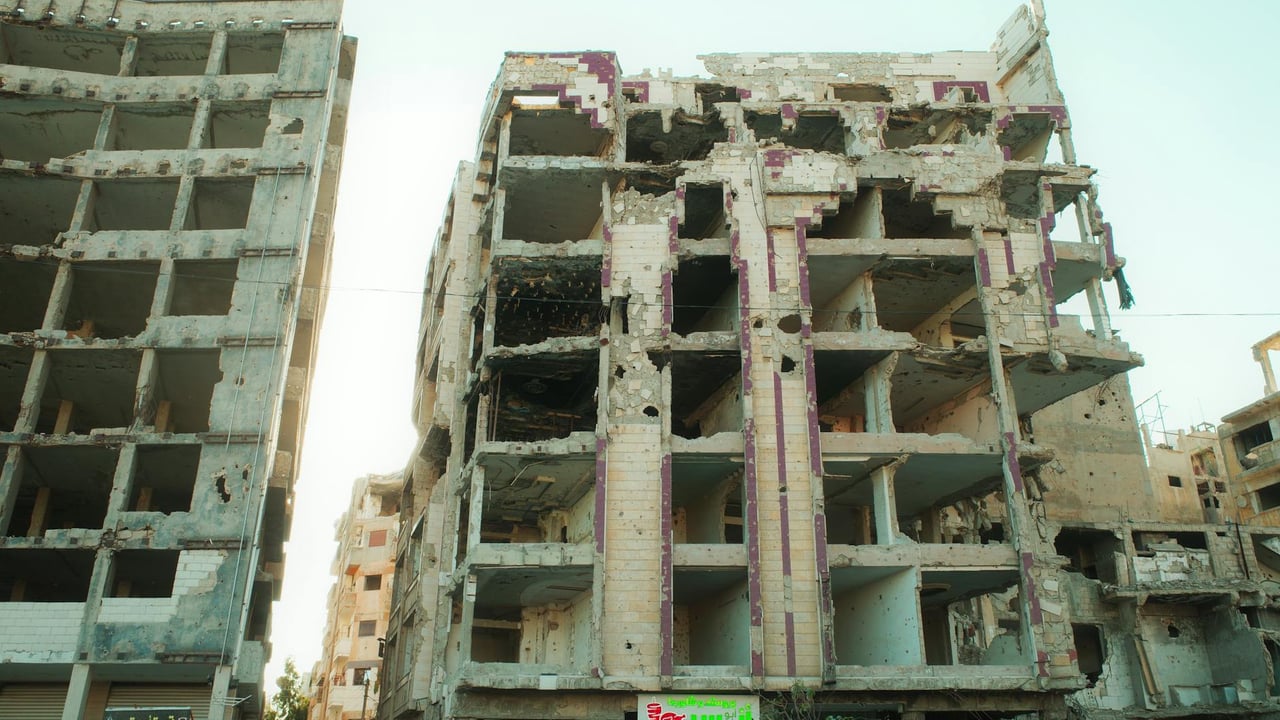
This softening of rhetoric comes at a perilous moment for the region. Since February 2026, an intense aerial campaign conducted by U.S. and Israeli forces has targeted Iranian facilities, disrupting global energy markets and leading to a naval blockade of the Strait of Hormuz. While a fragile ceasefire brokered by Pakistan has largely held since last month, the humanitarian and economic costs of the conflict have pressured Washington to find a pragmatic exit strategy.
Trump’s concession on the 20-year timeline appears to be a realization of proposals previously floated by Vice President J.D. Vance during secret talks in Islamabad. By moving away from his previous condemnation of 'sunset clauses'—the very mechanism that prompted his 2018 withdrawal from the JCPOA—Trump is betting that two decades of stability is more achievable than the 'forever freeze' he once championed. However, he emphasized that any deal must be ironclad, insisting that 'it must be a real 20 years' with verifiable guarantees.
The diplomatic choreography is further complicated by the emerging consensus between Washington and Beijing. Both powers have found rare common ground in their opposition to a nuclear-armed Iran and their desire to reopen the Strait of Hormuz. This alignment puts unprecedented pressure on Tehran to accept the 20-year compromise, even as the Iranian leadership demands an immediate end to all maritime blockades and security guarantees against future strikes.
Yet, the path to a deal remains obstructed by the divergent goals of the United States and its primary regional ally, Israel. Prime Minister Benjamin Netanyahu remains steadfast in his demand for the total 'clearing' of Iran’s enriched uranium stockpiles before hostilities can officially cease. As Trump’s patience with the stalemate thins, the tension between Washington’s desire for a 'deal' and Jerusalem’s existential security requirements is likely to become the central friction point of the coming months.