From Lab to Launchpad: CAS Space Milestone Signals China’s Shift to Industrialized Orbit

CAS Space has become the first Chinese commercial rocket company to reach the 100-satellite launch milestone, signaling a major transition in the country's aerospace sector from experimental research to industrial mass production. This achievement underscores China's strategy to lower orbital delivery costs and increase launch frequency to compete in the global commercial space market.

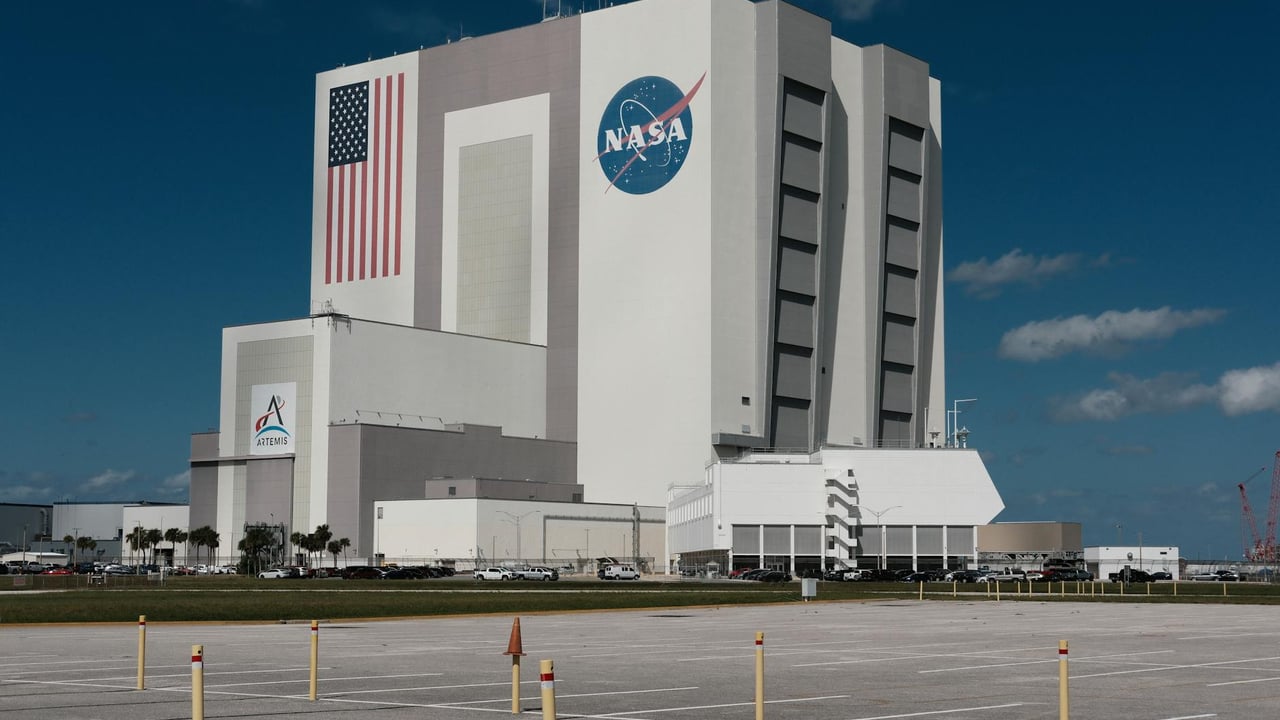
The iconic Vehicle Assembly Building at NASA's Kennedy Space Center, Florida.

Key Takeaways

  • 1CAS Space is the first commercial entity in China to join the '100-satellite club,' a record previously held only by state-owned Long March rockets.
  • 2The Lijian-1 rocket has achieved a production capacity of 30 units per year, adopting 'pulse-style' manufacturing techniques from the automotive industry.
  • 3The mission marks a strategic shift from bespoke rocket craftsmanship to standardized, high-frequency 'airline-style' launch services.
  • 4The company's new 'Super Factory' for the Lijian-2 liquid rocket is set to produce 12 units annually, targeting the burgeoning demand for satellite constellations.

Editor's
Desk

Strategic Analysis

The significance of CAS Space’s milestone lies in its role as a catalyst for China's response to SpaceX’s Starlink. Beijing has realized that its traditional, state-heavy aerospace model is too slow and expensive to build out the massive 'G60' and 'Guowang' constellations required for 6G and orbital dominance. By fostering commercial players that prioritize industrial efficiency over scientific novelty, China is attempting to replicate the SpaceX playbook: driving down the price per kilogram to orbit through volume and reuse. The transition from 'research' to 'mature service provider' suggests that the Chinese commercial space sector has survived its infancy and is now entering a consolidation phase where operational reliability and cost-efficiency will determine the winners of the domestic launch market.

China Daily Brief Editorial
Strategic Insight
China Daily Brief

On May 15, 2026, a Lijian-1 Y13 carrier rocket ascended from the Dongfeng Commercial Aerospace Innovation Pilot Zone, successfully deploying five satellites into their intended orbits. While seemingly routine in the context of China’s surging launch schedule, this mission marked a historic pivot for the nation’s private space sector. With this flight, CAS Space—a commercial spin-off from the Chinese Academy of Sciences—became the first non-state entity in China to successfully deliver 100 satellites into orbit.

Previously, the '100-satellite club' was an exclusive domain reserved for the state-owned Long March series, the backbone of China's national space program. By reaching this milestone, CAS Space has demonstrated that China’s commercial aerospace industry is moving beyond the stage of one-off technological demonstrations. The Lijian family’s achievement signifies a strategic leap toward high-density, low-cost, and rapid-response launch operations, which are essential for the next phase of global space competition.

The company’s trajectory highlights a fundamental shift from 'research-oriented' to 'industrialized' logic. CAS Space has integrated automotive-style pulse production lines and modular design architectures, allowing for a reported manufacturing capacity of 30 rockets per year for the solid-fueled Lijian-1. This 'flight-like' frequency is designed to transform rockets from bespoke scientific instruments into mass-produced industrial products, aimed at meeting the massive demand from planned Chinese satellite constellations.

As 2026 emerges as a watershed year for the industry, the narrative is shifting from whether these private firms can fly to whether they can deliver reliability at scale. Competitors such as LandSpace, Galactic Energy, and Orienspace are also racing to standardize their production. However, CAS Space’s '100-satellite' record provides a significant 'first-mover' advantage, establishing a track record of reliability that is critical for securing lucrative contracts from downstream commercial and governmental clients.

Share Article

Related Articles

📰
No related articles found