
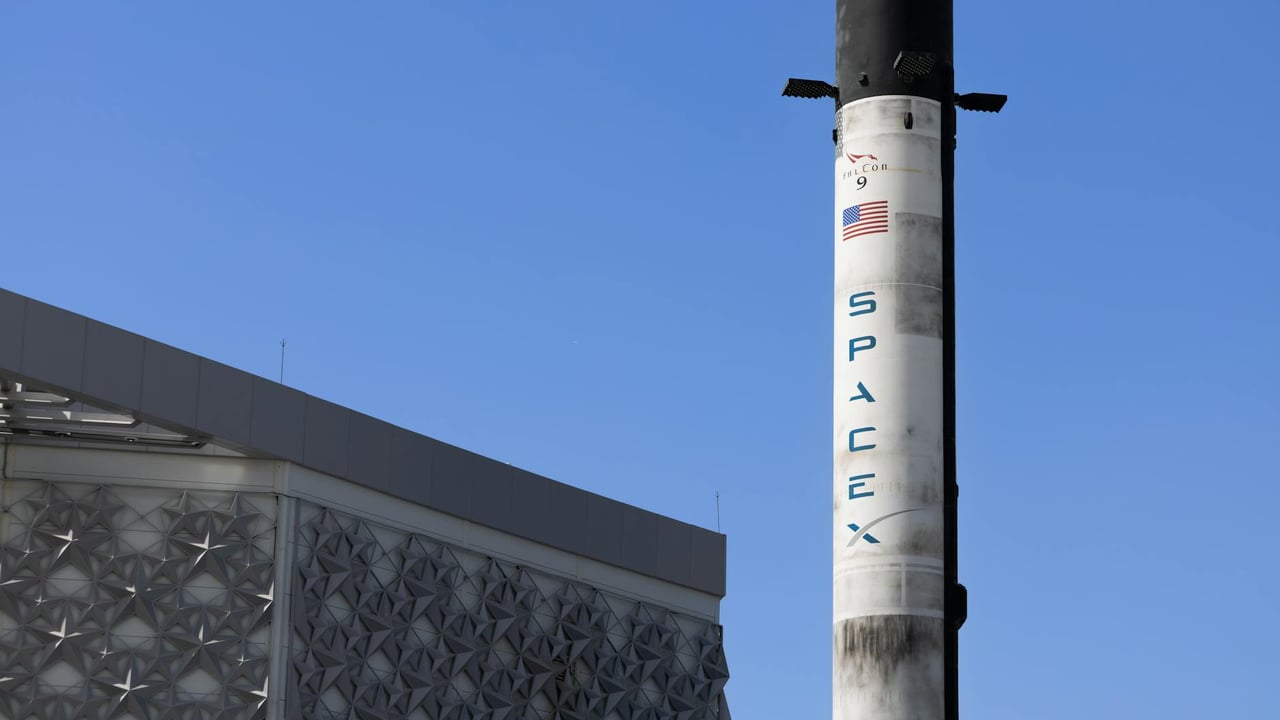

Elon Musk’s SpaceX is preparing for a seismic entry into the public markets, with an initial public offering (IPO) scheduled for June 12, 2026. This listing is not merely a financial milestone; it is a fundamental shift in the aerospace industry that seeks to bridge the gap between speculative venture capital and the rigors of the public exchange. The company aims to raise between $70 billion and $75 billion, a figure that would dwarf Saudi Aramco’s 2019 record and cement SpaceX as a once-in-a-generation corporate entity.
Central to the offering is a governance structure designed to insulate Musk from the traditional pressures of Wall Street. By issuing Class B shares with ten times the voting power of standard stock, the company ensures that Musk retains absolute control. This move is explicitly intended to prevent the "boring quarterly earnings" focus that Musk believes hinders long-term innovation. The structure signals a new era of 'founder-supremacy' in the public sector, where vision takes precedence over shareholder democracy.
Perhaps the most audacious element of the filing is the proposed trillion-dollar compensation package for Musk. Unlike traditional executive incentives tied to share price or EBITDA, this package is tethered directly to the establishment of a self-sustaining colony of one million people on Mars. Musk has defended this unprecedented figure, arguing that if SpaceX succeeds in making humanity a multi-planetary species, the company’s value will eventually exceed the current total economic output of Earth.
To accommodate the massive scale of the capital raise, SpaceX is deploying a global retail strategy. Moving beyond institutional investors, the underwriting team is coordinating with brokerage firms in the United Kingdom, Japan, and Canada to offer shares to individual investors. This approach aims to build a loyal, long-term shareholder base that shares Musk’s multi-planetary vision, rather than high-frequency traders seeking short-term volatility.
With a valuation floor of $1.75 trillion, the market’s appetite for SpaceX will serve as a ultimate litmus test for the future of the private space race. The disclosure of detailed financial data, expected in the upcoming prospectus, will finally reveal the true profitability of the Starlink satellite network and the launch services that have sustained the company's growth thus far. Investors are now forced to decide if they are buying into a transportation firm or the future of human consciousness itself.