

The shifting topography of the Gaza Strip has entered a perilous new phase as the Israeli Defense Forces (IDF) unilaterally redraw the boundaries of their military presence. Prime Minister Benjamin Netanyahu’s recent declaration that Israel now controls approximately 60% of the enclave marks a formal departure from the ‘Yellow Line’ withdrawal limits established under the October 2025 ceasefire agreement. This shift to what is being called the ‘Orange Line’ represents an 11% territorial expansion into the Gazan heartland, further squeezing nearly two million civilians into a precarious 40-kilometer coastal strip.
Simultaneous with this territorial creep, the IDF has intensified its decapitation strategy against the remaining vestiges of Hamas’s leadership. On May 15, Israeli airstrikes targeted Izz al-Din Haddad, a commander of the Qassam Brigades known as the ‘Ghost’ for his low-profile operations. Haddad is described by Israeli intelligence as the last surviving high-ranking member of the group responsible for the October 7 attacks, and his potential elimination signifies a major tactical objective in Israel’s campaign to fully demilitarize the strip.
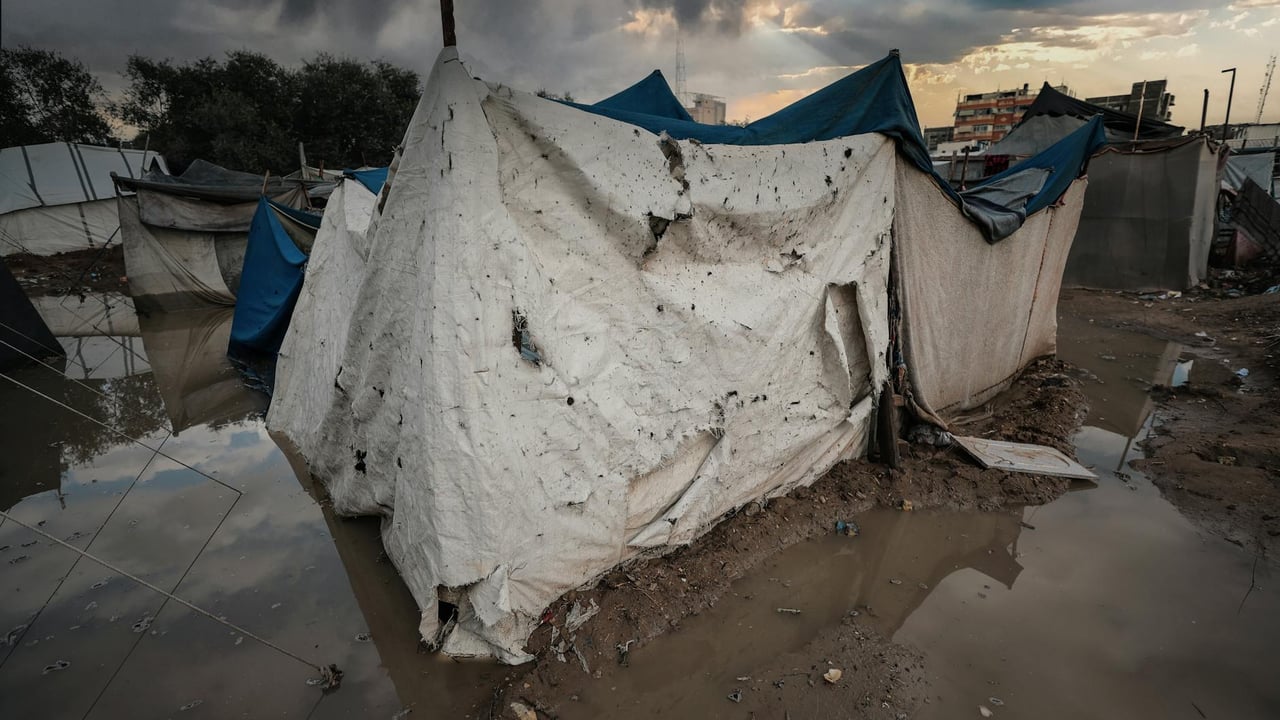
However, the humanitarian cost of this ‘step-by-step’ advancement is staggering. By pushing the ‘Orange Line’ deeper into Gaza, the Israeli military is effectively dismantling the survival space of a population already traumatized by years of conflict. International observers and the Jerusalem Institute for Applied Research warn that these maneuvers are not merely temporary tactical adjustments but may signal a long-term strategy of permanent occupation, as civilian infrastructure in these newly seized areas is systematically cleared.
Domestic political pressures appear to be a primary catalyst for this renewed aggression. Netanyahu’s governing coalition is currently reeling from a surge in support for opposition leaders Naftali Bennett and Yair Lapid, who have recently formed a strategic alliance. With a motion to dissolve the Knesset and trigger early elections looming, the Prime Minister is increasingly leaning on military escalation to shore up his nationalist base and justify his continued leadership in a time of perceived existential threat.