
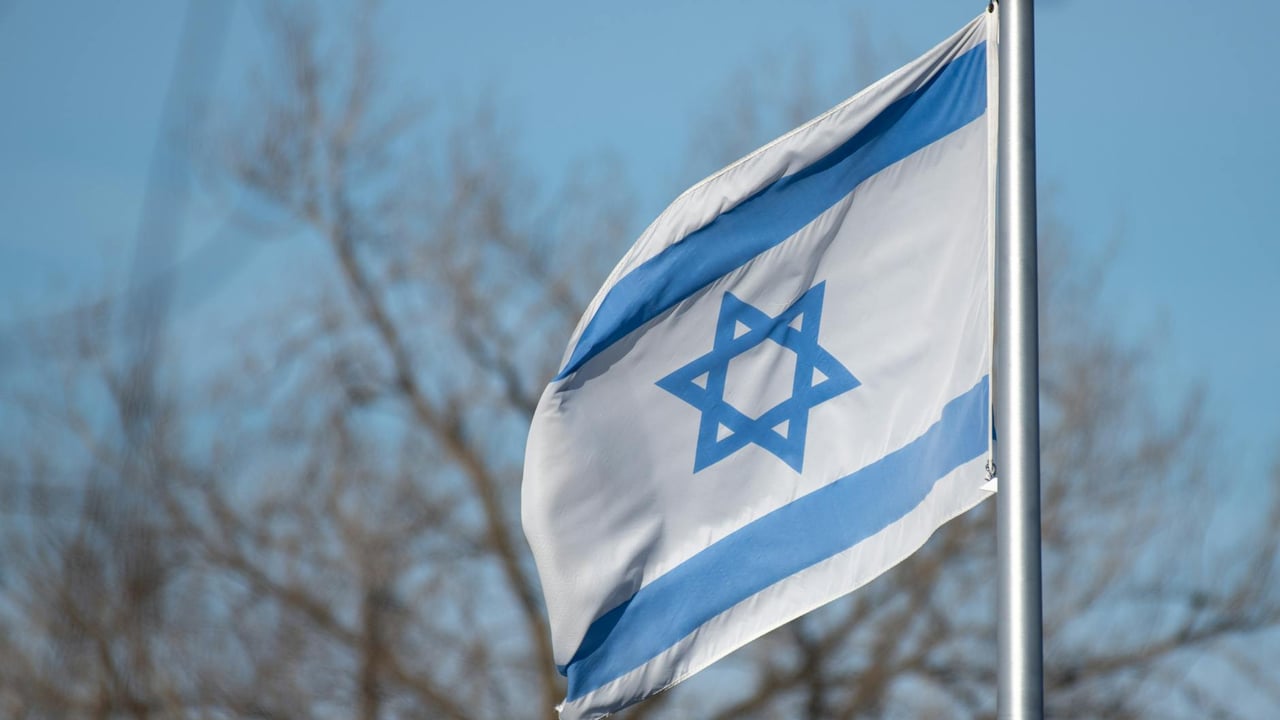

The Middle East stands on the precipice of a significant military escalation as the Pentagon accelerates preparations for potential strikes against Iranian targets. Sources indicate that the United States and Israel are synchronizing their tactical planning, with operations potentially commencing as early as next week.
This shift reflects a collapse in the diplomatic safeguards that have historically prevented direct kinetic engagement between Washington and Tehran. For years, the international community has watched a shadow war play out through proxies and cyberattacks, but the current mobilization suggests a transition to overt military force.
The coordination between the Israeli Defense Forces and U.S. Central Command has intensified, focusing on neutralizing Iran’s burgeoning drone capabilities and specialized military infrastructure. This collaborative stance signals a unified front intended to deter further regional destabilization, even at the risk of a broader conflict.
The timing of these preparations is particularly sensitive given the fragile state of global energy markets and existing maritime security concerns in the Strait of Hormuz. Any military action would likely trigger immediate retaliatory measures from Tehran’s regional network, placing U.S. assets and allies across the Levant in the crosshairs.
For global observers, this development marks the end of an era of strategic patience. As the window for non-kinetic solutions closes, the international community must now grapple with the reality of a renewed and potentially more volatile theater of war in the heart of the Middle East.