
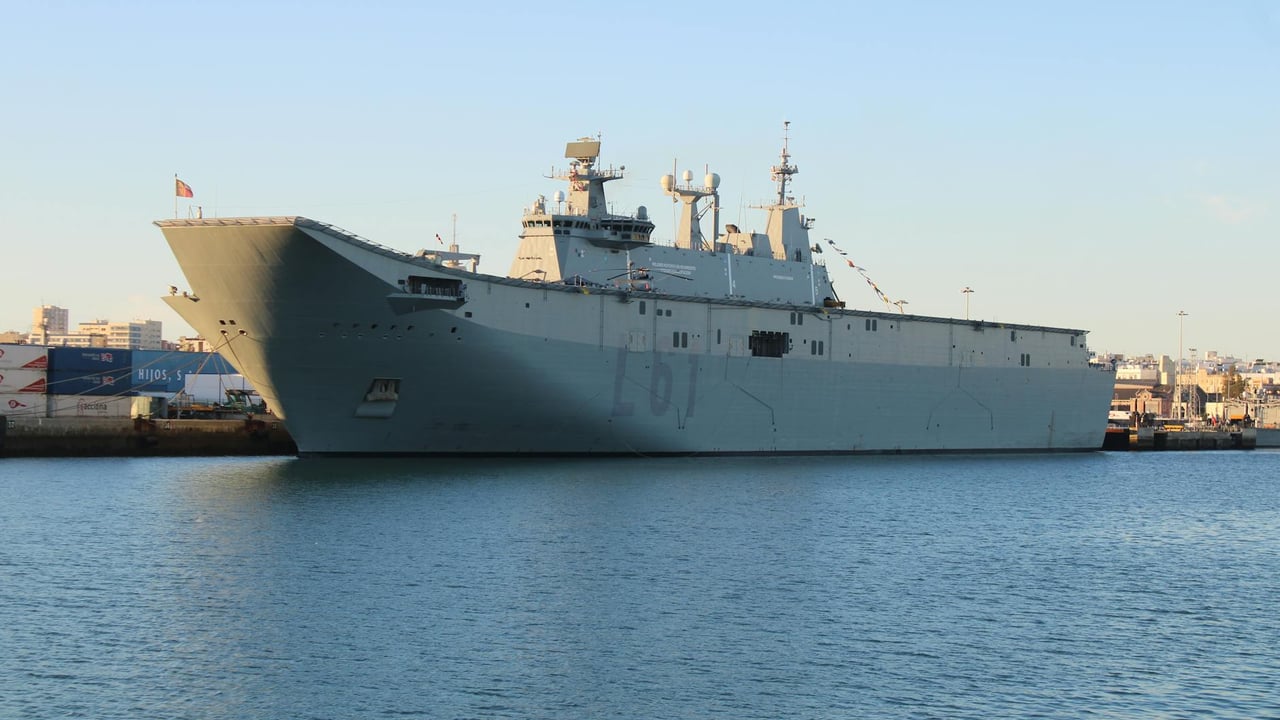

The arrival of the French aircraft carrier Charles de Gaulle in the Arabian Sea marks a significant escalation in European involvement within the world’s most volatile maritime chokepoint. While French Defense Minister representative Alice Rufo maintains the deployment is purely defensive and intended to facilitate a multi-national escort mission, the move signals a shift in Paris’s strategic posture toward the Strait of Hormuz.
President Emmanuel Macron’s administration is walking a diplomatic tightrope, emphasizing that the military presence is a tool for negotiation rather than a precursor to conflict. By positioning its flagship vessel, France seeks to project influence in the Middle East while simultaneously responding to long-standing American criticisms regarding European passivity toward Iranian maritime brinkmanship.
However, the introduction of a third Western carrier group—joining the USS Abraham Lincoln and USS George H.W. Bush—fundamentally alters the tactical landscape. Analysts at the China Institutes of Contemporary International Relations suggest that this concentration of naval power will likely be perceived by Tehran not as a stabilizing force, but as a coordinated military provocation designed to tighten the noose around Iranian sovereign interests.
Tehran has already signaled its displeasure, with Foreign Minister Abbas Araghchi asserting that the Strait of Hormuz remains a joint responsibility of Iran and Oman. From the Iranian perspective, any extra-regional military buildup under the guise of 'freedom of navigation' is an infringement on regional security that could trigger asymmetric retaliation against Western assets, including French bases in the United Arab Emirates.
Amidst this naval posturing, regional players like the UAE are increasingly looking toward physical infrastructure as a hedge against geopolitical volatility. Plans by the Abu Dhabi National Oil Company to double its bypass capacity through a new pipeline to the Port of Fujairah highlight a growing desire to decouple energy security from the stability of the Strait.
Ultimately, while the Charles de Gaulle provides Paris with a seat at the table, it does little to address the underlying friction between Washington and Tehran. The reliance on carrier diplomacy underscores a regional reality where military deterrence and economic workarounds are currently prioritized over a sustainable, long-term diplomatic resolution to the Hormuz crisis.