From Pancakes to Punches: China’s 'Embodied AI' Ambitions Take Center Stage in Hangzhou

The 2026 Hangzhou International Embodied Robot Competition drew a record 200 teams, showcasing a shift toward practical, high-utility robotics. While humanoid boxing was a crowd favorite, autonomous catering and rescue robots saw significant commercial interest, underscoring China's push for dominance in Physical AI.

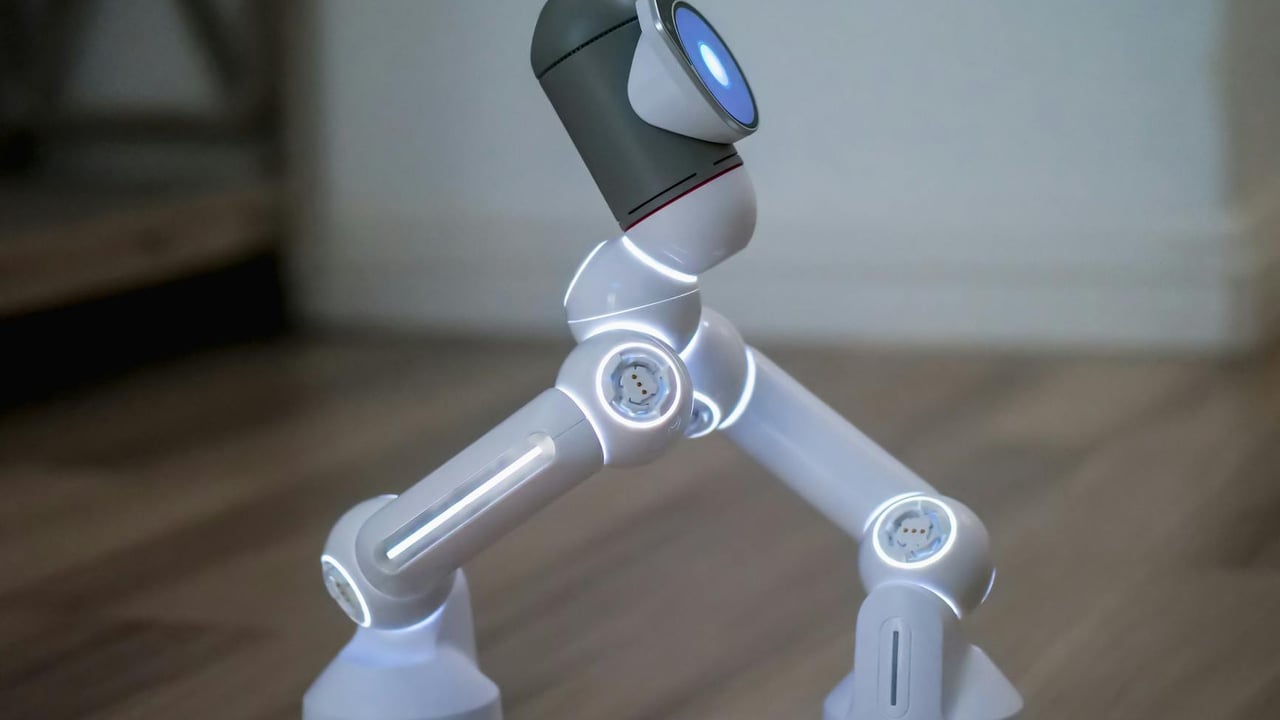
Side view of a modern robot walking on a wooden surface, showcasing advanced technology.

Key Takeaways

  • 1A record-breaking 200 teams participated in China's first major 'Embodied AI' scene application competition in Hangzhou.
  • 2Leading Chinese robotics firms like Unitree and DeepRobotics demonstrated advanced capabilities in fire rescue and infrastructure inspection.
  • 3The event emphasized commercial viability, with catering robots securing immediate orders, proving the market readiness for automated food services.
  • 4The competition signals a strategic pivot from general AI to 'Physical AI,' focusing on hardware-software integration for real-world labor.

Editor's
Desk

Strategic Analysis

The Hangzhou competition is a clear indicator that China is moving past the 'toy' phase of robotics into the 'tool' phase. By focusing on 'Embodied AI,' Chinese policymakers and tech leaders are addressing the country's looming demographic challenges and labor shortages. The success of the pancake-making robots compared to the humanoid boxers reveals an important market reality: while humanoid forms are the ultimate engineering goal, specialized robots that solve specific industrial or service problems are the ones driving immediate revenue. Strategically, this reflects China's 'Little Giant' approach—fostering numerous specialized firms to build a robust supply chain that could eventually challenge the dominance of American leaders like Tesla or Figure in the global robotics race.

China Daily Brief Editorial
Strategic Insight
China Daily Brief

In the tech-heavy enclave of Yunqi Town, Hangzhou, a glimpse into the future of physical labor is unfolding. The 2026 Hangzhou International Embodied Robot Scene Application Competition has drawn a record-breaking 200 teams, signaling a pivotal shift in China’s robotics strategy. No longer content with mere digital intelligence, the nation’s top labs and firms are racing to perfect 'Embodied AI'—intelligence that can navigate, interact with, and manipulate the physical world.

The event marks Zhejiang province’s first major foray into competitive robotics on this scale, featuring domestic heavyweights such as Unitree Robotics, DeepRobotics, and 58 Intelligence. Unlike previous exhibitions focused on novelty, this competition prioritizes high-stakes, real-world utility. Robots are being tested in grueling scenarios ranging from fire and underwater rescue to the monotonous but precise tasks of industrial infrastructure inspection.

While high-octane humanoid boxing matches captured the crowd’s imagination, the true commercial story was found in the catering stalls. Pancake-making robots, capable of consistent and autonomous food preparation, reportedly secured immediate purchase orders from enterprise buyers on the spot. This immediate bridge from demonstration to transaction highlights a maturing market where utility is finally outpacing hype.

This surge in activity reflects a broader global trend where the competition between the US and China is shifting toward 'Physical AI.' As American firms like Tesla and Figure push the boundaries of humanoid agility, Chinese firms are leveraging their manufacturing ecosystem to deploy specialized robots across diverse sectors. In Hangzhou, the message is clear: the next phase of the AI revolution will not stay behind a screen; it will have arms, legs, and a business model.

Share Article

Related Articles

📰
No related articles found