
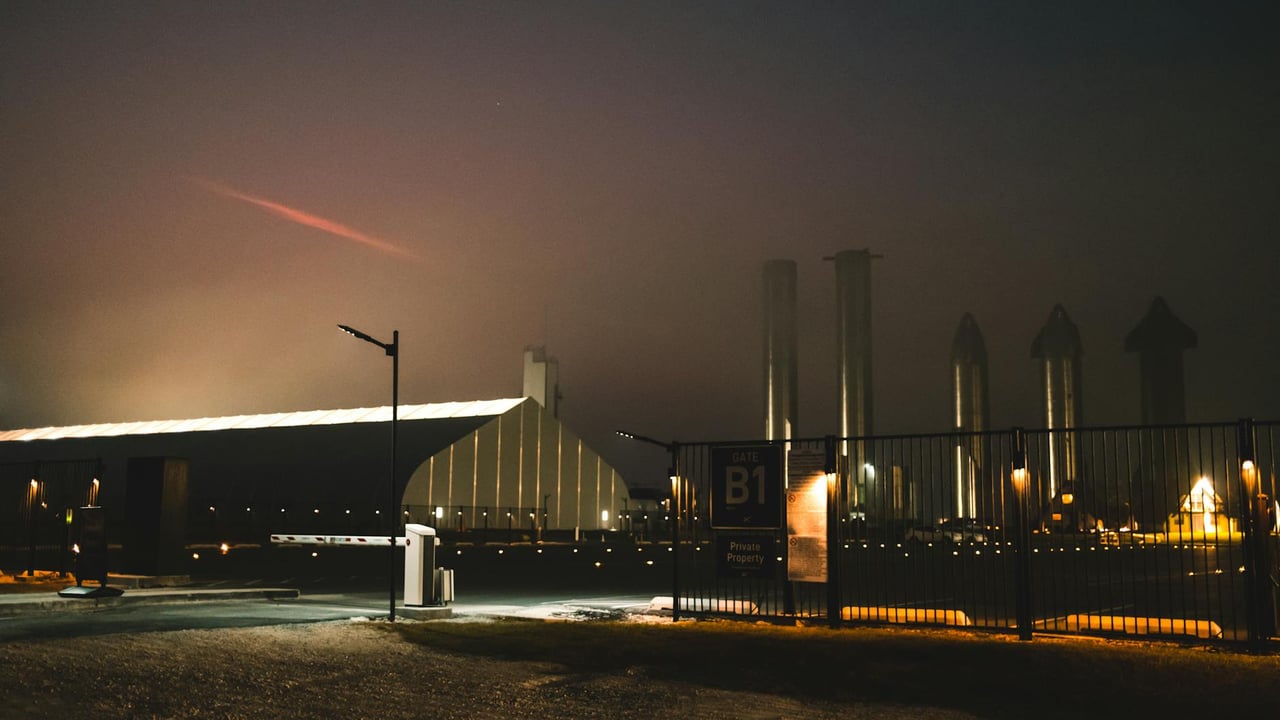

SpaceX is no longer merely designing rockets; it is drafting the foundational balance sheets for a multi-planetary civilization. Reports of a proposed "trillion-dollar Mars compensation scheme" suggest that Elon Musk is transitioning from the technical challenges of spaceflight to the complex socio-economic logistics required for long-term extraterrestrial settlement. This ambitious financial framework is designed to incentivize the massive influx of skilled labor necessary to transform Mars from a research outpost into a self-sustaining city.
The scale of this figure—reaching into the trillions—reflects the astronomical costs associated with sustaining life and industry in a vacuum. It underscores the shift in the commercial aerospace sector from mission-based exploration to the creation of a persistent economic ecosystem. For potential recruits, the scheme represents both a high-risk gamble and a pioneering opportunity to build a new world from the ground up, though it raises immediate questions regarding how such wealth will be distributed and protected across the stars.
This development comes at a time of significant diplomatic maneuvering for Musk, whose recent presence at the Great Hall of the People in Beijing highlights the global stakes of his ventures. In China, SpaceX's progress is viewed as both a competitive benchmark and a strategic catalyst. The Chinese domestic space industry is currently undergoing its own "five-layer" industrial restructuring, focusing on integrating everything from rocket manufacturing to end-user applications to keep pace with the rapid acceleration of the private space race.
However, the path to a trillion-dollar Martian economy is fraught with more than just financial hurdles. The physical risks—including the recent news of SpaceX rocket debris projected to impact the lunar surface—serve as a reminder of the environmental and safety challenges inherent in high-frequency space operations. As SpaceX moves to formalize the costs of colonization, the world is beginning to grapple with the reality that the next great economic frontier may not be on Earth at all.