
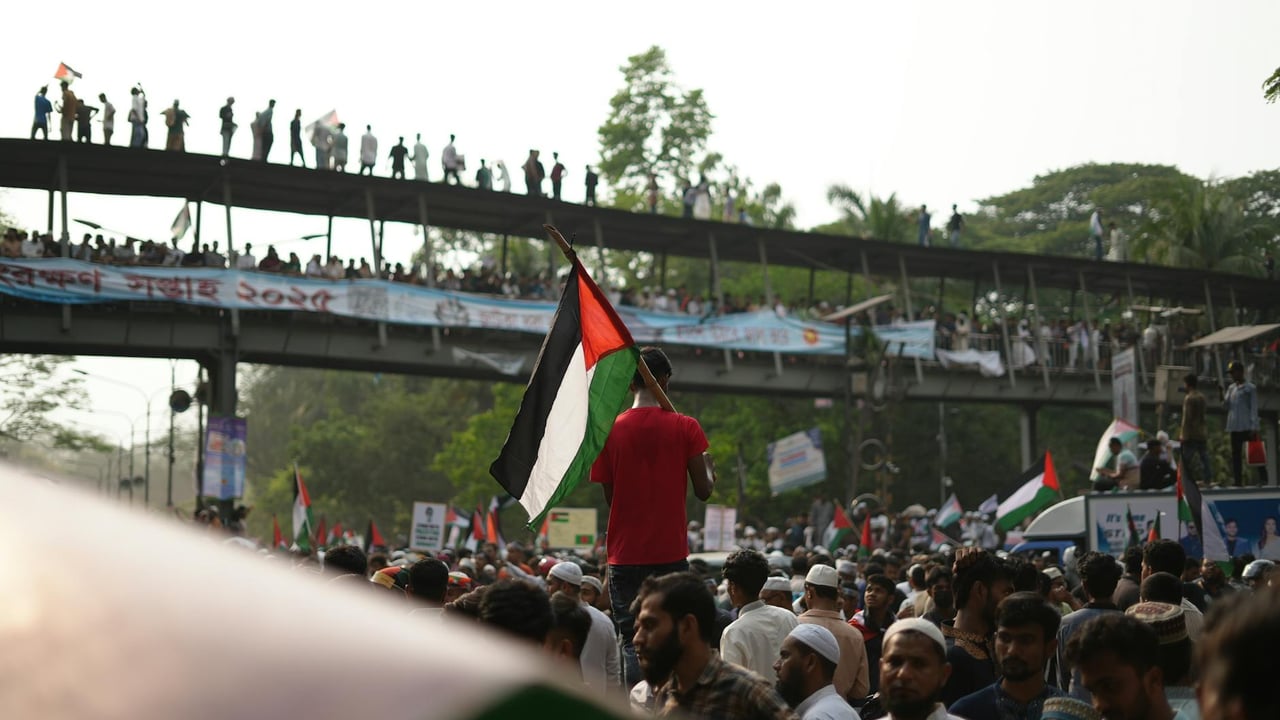

The 78th anniversary of the Nakba, or 'Catastrophe,' was marked not with solemnity but with fresh bloodshed in the Gaza Strip. Over a harrowing 48-hour window ending May 16, 2026, health officials in the enclave reported that at least 13 Palestinians were killed and 57 others wounded in a series of targeted strikes. The timing of the escalation—coinciding with one of the most sensitive dates in the Palestinian national consciousness—serves as a grim reminder of the region's intractable cycle of violence.
Local medical reports indicate that the fatalities include several individuals who succumbed to wounds sustained in previous attacks, highlighting the deepening crisis within Gaza’s overstretched healthcare system. On the night of May 15, the anniversary itself, Israeli aerial operations reportedly intensified, leading to a surge in civilian and combatant casualties alike. These strikes targeted various locations across the territory, occurring amidst a backdrop of heightened regional tensions and stalled diplomatic overtures.
For Palestinians, May 15 represents the displacement of hundreds of thousands during the 1948 conflict, and the 78th anniversary was expected to be a flashpoint. However, the scale of the recent military response suggests a strategic shift toward sustained pressure rather than temporary containment. The loss of life on this symbolic day deepens the historical grievance that fuels the ongoing resistance, making the prospect of a long-term ceasefire appear increasingly remote.
As the international community watches with mounting concern, the humanitarian situation in Gaza continues to deteriorate under the weight of these renewed hostilities. The proximity of these strikes to civilian-populated areas ensures that the physical and psychological toll on the population remains extreme. Without a significant shift in the current military posture or a breakthrough in third-party mediation, the patterns observed over the last 48 hours are likely to persist, further destabilizing the Levant.