
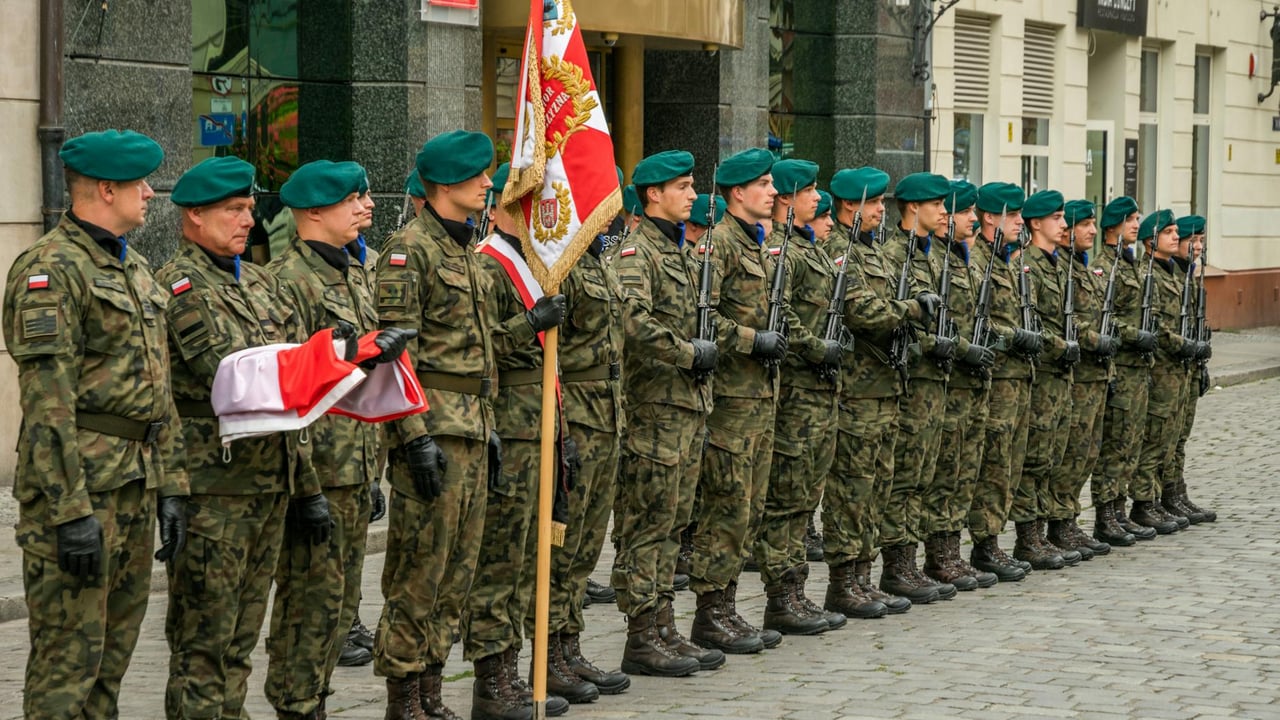

The Pentagon’s sudden cancellation of a 4,000-troop deployment to Poland marks a watershed moment for the Transatlantic alliance. Defense Secretary Pete Hegseth’s memorandum does not merely stop a brigade-level movement; it signals a fundamental shift in the American security architecture that has stabilized Europe for decades. This decision, coupled with the withdrawal of a field artillery battalion destined for Germany, highlights a strategic pivot away from permanent overseas entanglement.
While Washington frames these moves as leverage to force European capitals to increase their defense spending, the strategic reality runs deeper. Under the current administration’s '精兵简政' (lean and efficient) military reform, the focus has shifted from forward-deployed presence to a more isolated, precision-based global posture. This transition reflects a broader goal of shrinking the U.S. footprint to prioritize domestic priorities and strategic flexibility.
Crucially, the withdrawal affects both Germany, the traditional logistics hub, and Poland, the modern frontline state. Analysts previously anticipated a shift of American forces from the West to the East within Europe. However, this latest directive proves those expectations were misplaced; Washington is no longer interested in relocating its European footprint but is instead actively downsizing it across the entire continent.
Geopolitical calculations regarding Moscow are central to this retrenchment. By halting deployments in Central and Eastern Europe, the White House is signaling a desire for de-escalation with Russia and a political resolution to the ongoing Ukraine conflict. For frontline states like Poland and the Baltics, this shift suggests that their regional security concerns are being weighed against a broader American desire for a grand bargain with the Kremlin.
The resulting friction is forcing a psychological decoupling within NATO. Frontline nations, once entirely dependent on the American security umbrella, are now facing an era of diminished confidence. As the U.S. continues to transfer defense costs and risks to its allies, the Transatlantic relationship is evolving from a values-based 'security community' into a transactional partnership defined by competition and diverging strategic goals.