

The corridors of the 11th China (Beijing) Military Intelligent Technology and Equipment Expo offer more than just a glimpse of hardware; they provide a roadmap for the future of the People’s Liberation Army (PLA). From humanoid robots performing weapon maintenance to AI-driven command systems that condense hours of intelligence analysis into mere seconds, the event underscores Beijing's pivot toward 'intelligentized warfare.' This strategic doctrine seeks to leverage artificial intelligence to gain a decisive edge over traditional military powers through speed and automation.
The most striking trend at this year’s exhibition is the radical shift from manned to unmanned platforms. The floor was crowded with a diverse array of autonomous systems, including unmanned aerial vehicles (UAVs), ground vehicles, and surface vessels, designed for everything from reconnaissance to direct kinetic strikes. This shift reflects a broader global trend in modern conflict, where the ability to saturate a battlespace with low-cost, expendable autonomous units is becoming a core tactical requirement.
Simultaneously, the surge in drone proliferation has triggered a parallel boom in counter-UAV technologies. Exhibitors showcased a sophisticated suite of detection, jamming, and hard-kill solutions, highlighting a rapid-fire arms race between offensive swarm capabilities and defensive countermeasures. Industry insiders note that the development cycle for these technologies has been compressed from several years to just eighteen months, driven largely by the integration of large language models and rapid prototyping.
Beyond the 'hands and feet' of robotics, the expo placed significant emphasis on the 'brain'—AI-enabled command and control (C2) systems. These platforms are designed to process massive streams of battlefield data to suggest optimal deployment strategies for human commanders. By offloading cognitive burdens to AI, the PLA aims to accelerate the 'OODA loop' (Observe-Orient-Decide-Act), ensuring that decision-making outpaces the enemy’s ability to react in high-intensity electronic warfare environments.
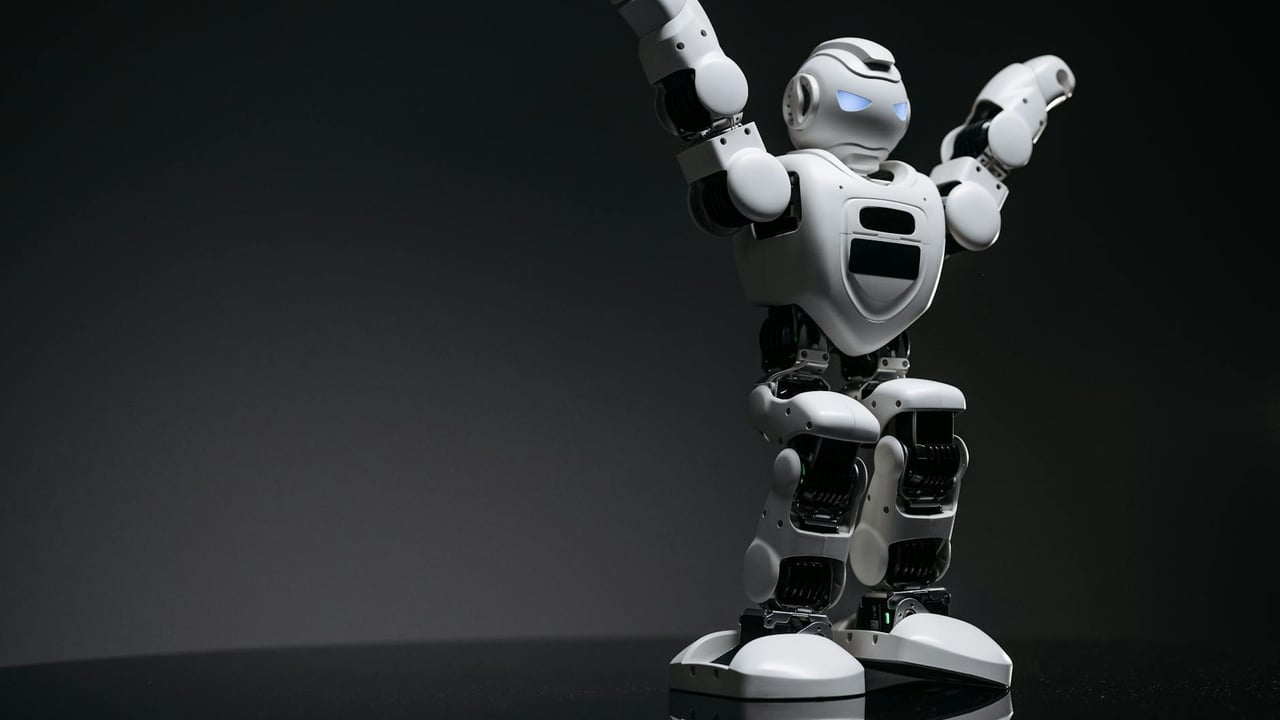
The presence of 'embodied intelligence' in the form of humanoid robots signals a new frontier in military logistics and security. These machines, capable of following voice commands to perform complex manual tasks, suggest a future where robots handle high-risk maintenance and patrol duties previously reserved for specialized personnel. Coupled with a domestic focus on self-controllable hardware and software, China is signaling its intent to build a military-industrial complex that is both technologically superior and immune to external supply chain disruptions.