Gearing for a Gulf Storm: Massive US Military Mobilization Signals End of Diplomacy with Iran

Tensions in the Middle East have reached a breaking point as the US mobilizes a massive fleet of 30 warships and 500 aircraft following the collapse of negotiations with Iran. With thousands of precision missiles deployed and special forces on standby, the region faces the prospect of a significant military escalation aimed at neutralizing Tehran's nuclear and military infrastructure.

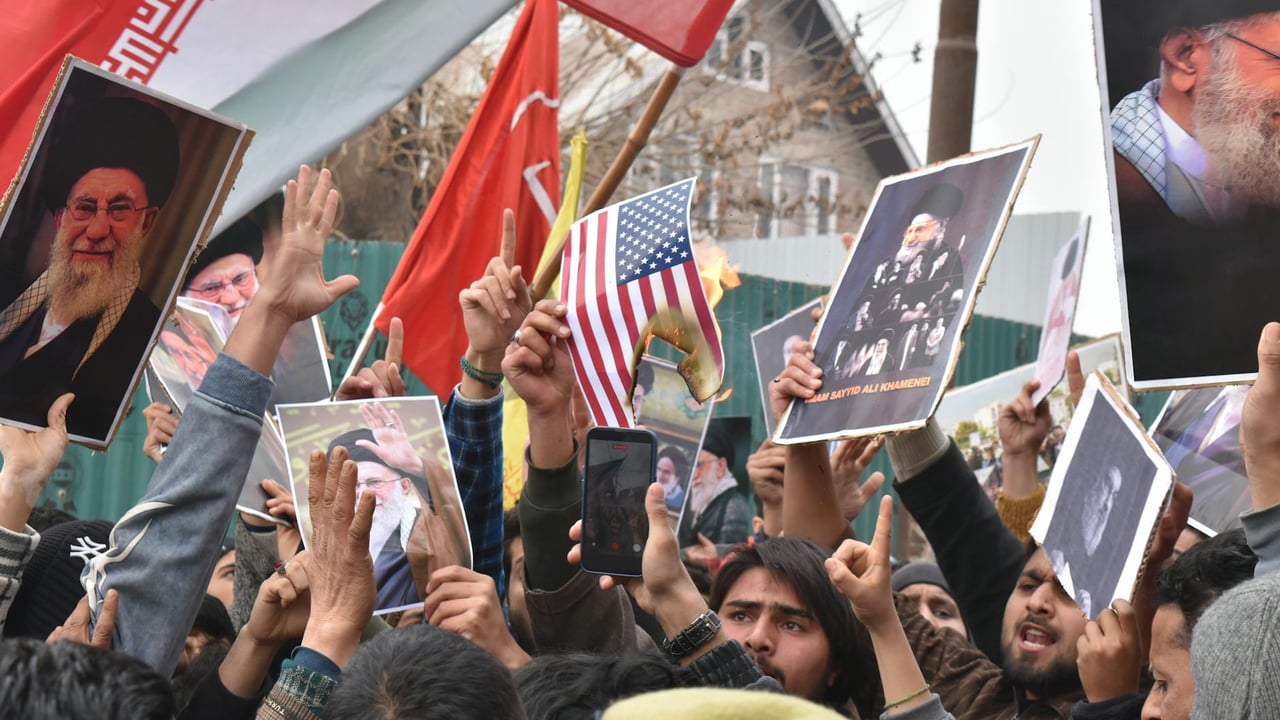
Crowd of demonstrators holding flags and banners during a protest outdoors.

Key Takeaways

  • 1A massive US military build-up involves 30 warships, 500 aircraft, and 50,000 personnel in the Middle East.
  • 2Negotiations have reached a deadlock, with the US administration rejecting recent Iranian proposals as 'unacceptable.'
  • 3Military options include high-intensity strategic bombing and high-risk special operations to secure nuclear materials.
  • 4The Pentagon has reportedly used a recent ceasefire period to replenish munitions and re-coordinate strategic positioning.
  • 5The deployment of 4,000 precision-guided missiles signals preparation for a 'decisive' rather than limited engagement.

Editor's
Desk

Strategic Analysis

The current escalation represents a shift from 'maximum pressure' to a 'maximum readiness' doctrine. By utilizing a temporary ceasefire to replenish stocks and maneuver assets into strike positions, Washington is signaling that it no longer views traditional diplomacy as a path toward denuclearization or regional stability. The specific mention of seizing nuclear materials via special operations suggests a move toward 'counter-proliferation by force,' a strategy that historically carries a high risk of triggering a broader regional conflagration. From a geopolitical perspective, this mobilization serves as a dual-purpose signal: it pressures Tehran into a total climb-down while demonstrating American resolve to regional allies who have grown skeptical of US commitments.

China Daily Brief Editorial
Strategic Insight
China Daily Brief

The fragile diplomatic bridge between Washington and Tehran appears to have finally buckled. Following the collapse of recent negotiations and a stalled ceasefire, the United States is reportedly shifting from a posture of containment to one of imminent kinetic action. Reports indicate that the Pentagon is finalizing plans for a renewed military offensive, with the White House signaling that previous Iranian proposals for ending hostilities are no longer on the table.

This mobilization is characterized by a staggering scale of hardware and personnel deployment. Currently, an estimated 50,000 troops, supported by two nuclear-powered aircraft carriers and dozens of Aegis-equipped destroyers, have taken up positions in the Arabian and Red Seas. The force includes thirty major combat vessels, ranging from attack submarines to large-scale amphibious assault ships, creating a formidable maritime blockade and strike platform.

In the skies, the concentration of power is equally intense. Over 500 combat aircraft, including F-35 stealth fighters, B-52H strategic bombers, and specialized electronic warfare platforms, are conducting frequent maneuvers across regional bases. Accompanying this hardware is a logistical surge of 4,000 high-precision munitions, including Tomahawk cruise missiles, which have been distributed to front-line units in anticipation of a high-intensity engagement.

Strategic planners are reportedly weighing two primary paths for the coming weeks. The first involves a relentless aerial bombardment campaign targeting Iran’s military infrastructure to neutralize its defensive capabilities. The second, more volatile option involves deploying special operations forces to seize or secure nuclear materials from underground facilities. While the latter carries immense risks of escalation, the arrival of hundreds of elite personnel in the theater suggests it remains a viable contingency for the Pentagon.

Share Article

Related Articles

📰
No related articles found