
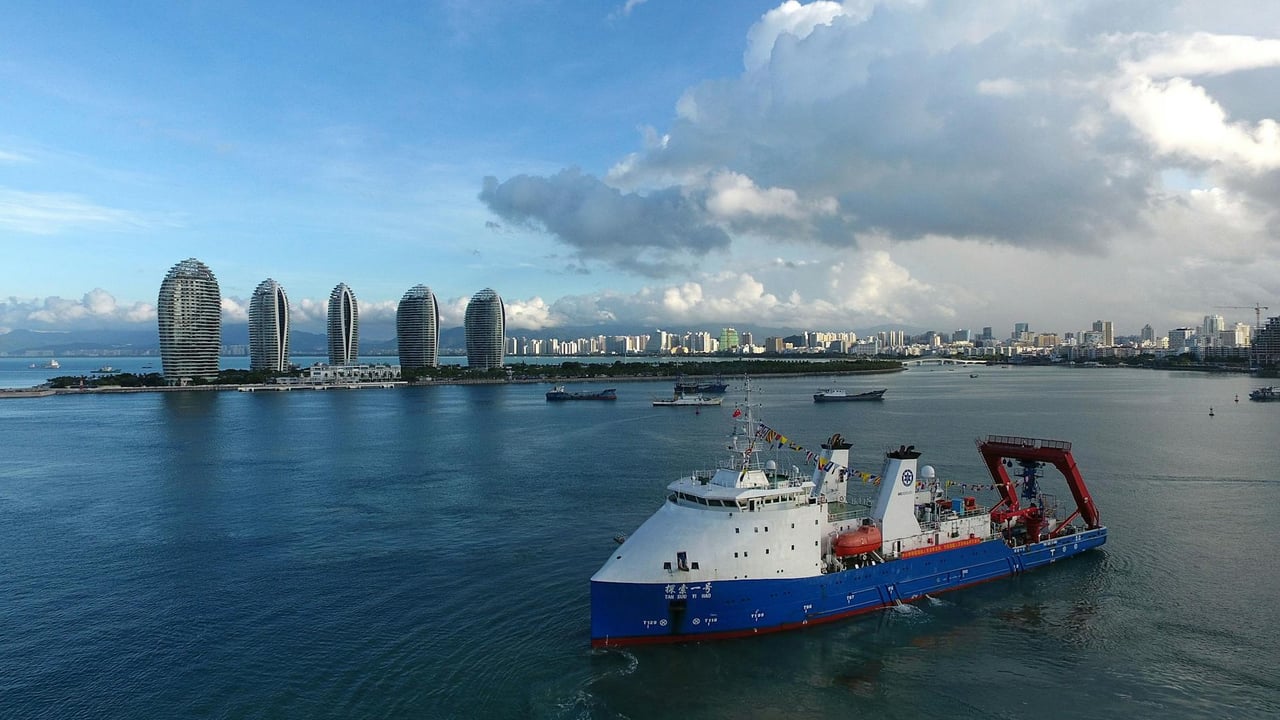

The operational atmosphere in the South China Sea is undergoing a profound qualitative shift. Beijing is rapidly moving beyond the era of verbal warnings and diplomatic posturing toward a permanent, systematized enforcement regime. This transition seeks to define the nautical status quo not through international treaties, but through the persistent physical presence of Chinese law enforcement and military assets.
Recent high-frequency operations by the People’s Liberation Army (PLA) Southern Theater Command and the China Coast Guard signal the emergence of a sophisticated "action chain." Near flashpoints like Second Thomas Shoal and Half Moon Shoal, Chinese vessels are now implementing comprehensive regulatory control. This includes regulating navigation routes and restricting supply missions, effectively deciding who may enter contested waters and under what conditions.
This evolution suggests that the period of symbolic "shadow-boxing" between regional claimants is drawing to a close. By maintaining a constant maritime presence, China is transitioning from reactive crisis management to proactive administrative enforcement. This strategy aims to turn expansive territorial claims into a functional, daily reality that rival nations find increasingly difficult to challenge.
Strategic coordination between the PLA and the Coast Guard has reached a new level of maturity. While the Coast Guard manages frontline "gray zone" frictions and civil enforcement, the PLA provides a strategic backdrop of high-readiness deterrence. This dual-layered approach is designed to keep pressure on rivals while preventing local skirmishes from escalating into full-scale kinetic conflict.
For the Philippines and its international partners, the challenge has shifted from managing occasional collisions to addressing a structural takeover of maritime governance. Beijing’s current trajectory indicates it is no longer willing to let its maritime interests be eroded by incremental provocations. Instead, it is deploying a comprehensive state apparatus to ensure that the "rules of the road" are written on its own terms.