
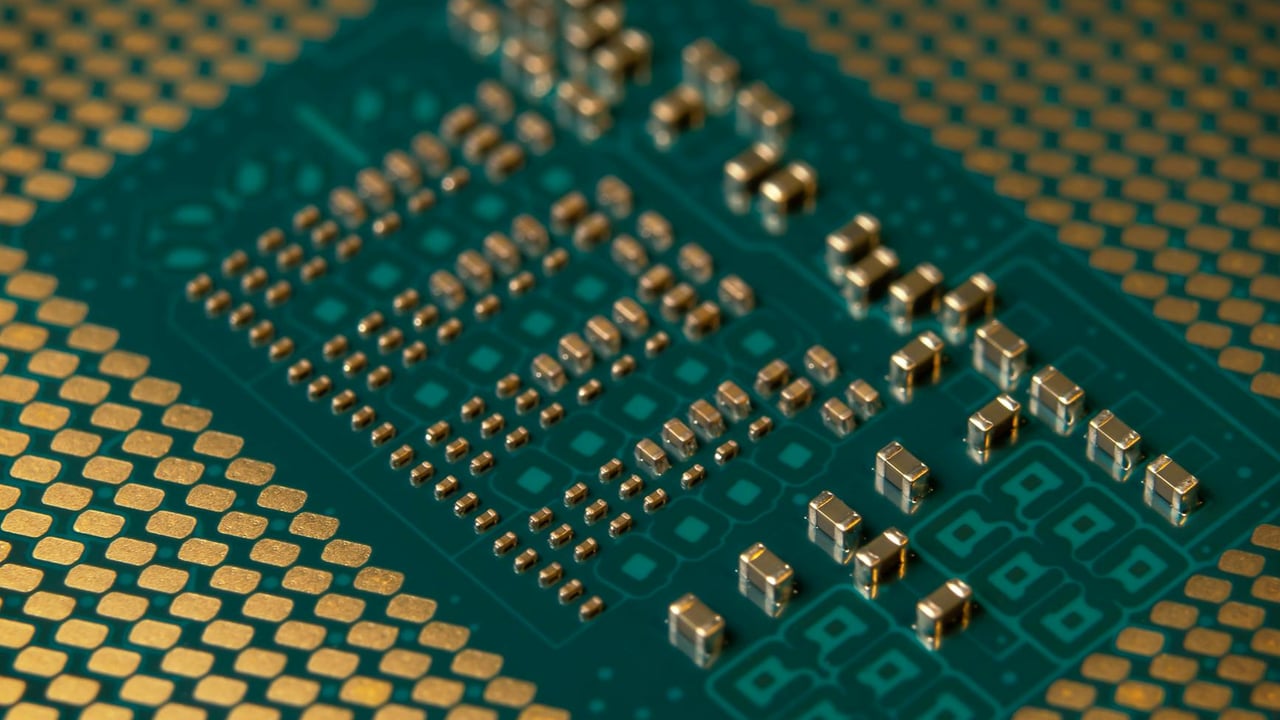

As the specter of a second Trump administration looms over the Pacific, the rhetorical foundation of the U.S.-Taiwan relationship is undergoing a radical stress test. For years, Taipei has operated under the assumption that its democratic values and strategic position made it an indispensable partner to Washington. However, recent remarks from the former president suggesting that Taiwan has 'stolen' the American semiconductor industry and should pay for its own protection have sent a clear message: in a transactional world, there are no permanent allies, only varying price tags.
This shift in tone from the 'America First' camp highlights a burgeoning fragility in Taiwan’s security architecture. By framing the island’s economic success in the tech sector as a zero-sum loss for American labor, the populist right in the United States is effectively dismantling the 'Silicon Shield' narrative. What was once seen as a strategic deterrent against mainland Chinese intervention is now being recast by some in Washington as an economic grievance, leaving the Democratic Progressive Party (DPP) in a precarious diplomatic position.
Mainland Chinese observers have been quick to capitalize on these cracks in the alliance. Commentaries originating from state-aligned outlets suggest that the 'wake-up call' for Taipei is long overdue, arguing that the island is merely a pawn in a larger geopolitical game. From Beijing’s perspective, the transactional nature of Trumpian foreign policy validates their long-held claim that U.S. support is neither ideological nor infinite, but rather subject to the whims of domestic political shifts and economic calculations.
For the authorities in Taipei, the challenge is now twofold: they must satisfy increasingly steep demands for defense spending while simultaneously navigating an American political landscape that is increasingly skeptical of overseas commitments. The prospect of 'paying for protection' changes the nature of the relationship from a partnership of shared values to a mercenary arrangement. This transition not only complicates Taiwan’s internal politics but also forces a re-evaluation of its long-term survival strategy in the shadow of a rising China.