
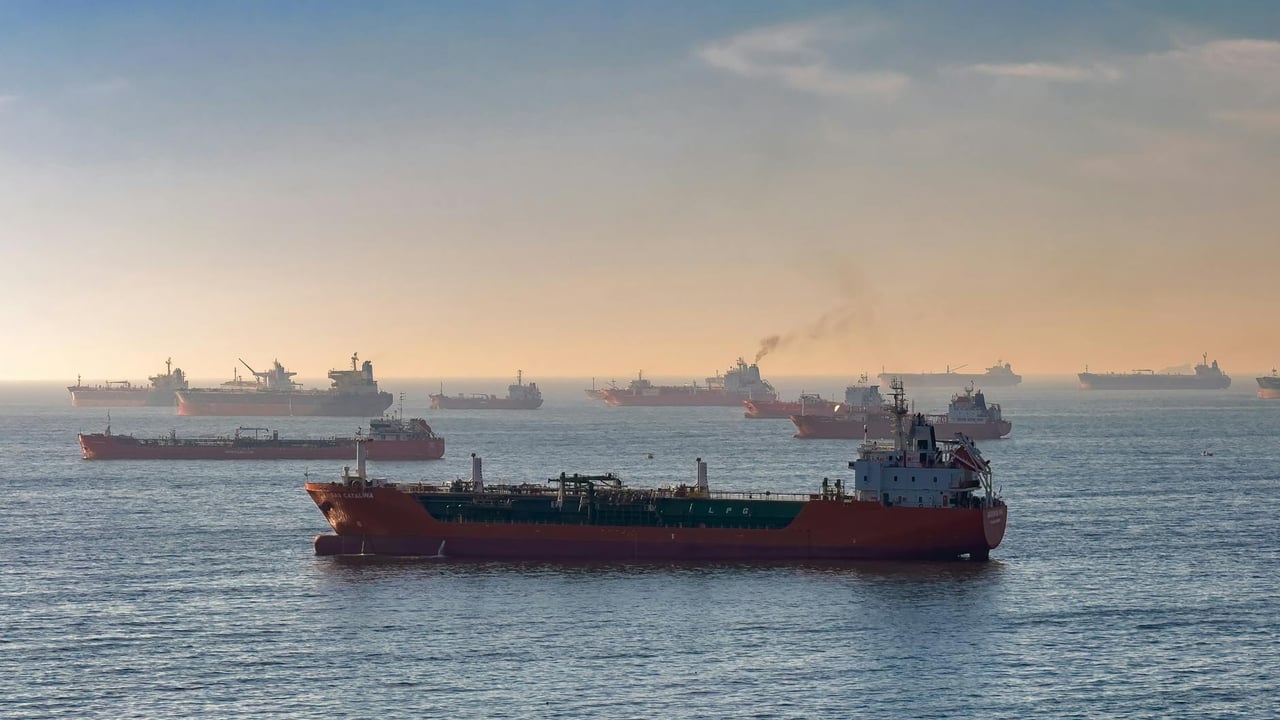

The Strait of Hormuz, long the juggernaut of global energy transit, has transformed into a strategic bottleneck for Baghdad. Iraq's newly appointed Oil Minister, Basim Mohammed Khudair, revealed that April exports through the strait plummeted to just 10 million barrels. This represents a staggering 89% decline from the pre-conflict average of 93 million barrels per month.
The collapse in volume serves as a stark barometer of the widening conflict involving the United States, Israel, and Iran. As traditional maritime routes become increasingly untenable due to security risks and kinetic engagements, Iraq finds itself economically besieged. The loss of revenue threatens the stability of a nation that derives the vast majority of its budget from crude sales.
In response to the maritime paralysis, Baghdad is aggressively pivoting its logistical focus toward the north. Khudair outlined plans to maximize the flow of the Kirkuk-Ceyhan pipeline, which connects Iraq’s northern oil fields to Turkey’s Mediterranean coast. This shift is not merely technical but a desperate geopolitical maneuver to bypass the volatile Persian Gulf entirely.
However, the Minister was candid about the limitations of this alternative, stating that full recovery is impossible while active hostilities persist. To bolster its standing, Iraq is seeking deepened cooperation with OPEC. The goal is to leverage the cartel's collective influence to secure export capacity and stabilize a domestic economy currently reeling from the fallout of regional warfare.