Iron and Ideology: How a Storied PLA Unit is Navigating the Shift to High-Tech Warfare

The PLA's storied 'Qingzhou Company' is transitioning from traditional infantry roles to high-tech armored and drone-integrated warfare. By leveraging its historical wartime legacy, the unit is motivating its personnel to overcome the steep learning curve associated with China's military modernization and professionalization efforts.

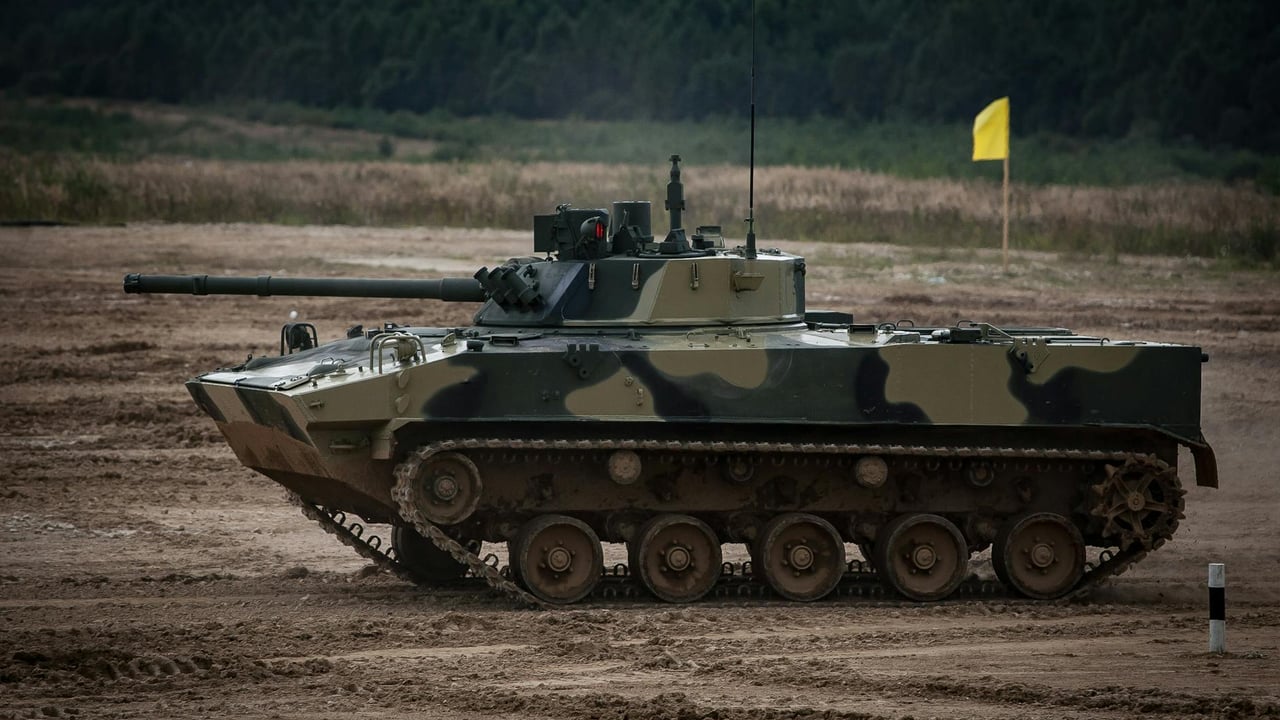
A camouflaged tank driving through a muddy field with trees in the background.

Key Takeaways

  • 1The 'Qingzhou Company' is a primary case study for the PLA’s transition from 'leg power' infantry to mechanized and informatized forces.
  • 2Veteran soldiers are facing significant challenges in adapting to complex command systems and armored vehicle operations.
  • 3The PLA uses 'Red Culture' and historical combat honors to maintain organizational cohesion and motivation during periods of rapid change.
  • 4Modern training now emphasizes the integration of drones (UAVs) at the tactical squad level to enhance penetration and combat effectiveness.
  • 5Success in the modern PLA is increasingly measured by a soldier's ability to transition from a physical combatant to a technical commander.

Editor's
Desk

Strategic Analysis

The evolution of the 'Qingzhou Company' illustrates the central tension in the PLA's 21st-century modernization: the gap between acquiring world-class hardware and developing the human talent to operate it. While China has rapidly closed the technological gap with Western militaries, the 'human quality' (suzhi) of its NCOs and junior officers remains a work in progress. By leaning heavily on 'red bloodlines' and revolutionary history, the CCP is attempting to ensure that technical modernization does not come at the expense of ideological loyalty or traditional 'grit.' This synthesis of historical narrative and future-tech is essential for the PLA as it moves away from its mass-army roots toward a more agile, high-tech professional force.

China Daily Brief Editorial
Strategic Insight
China Daily Brief

In the smoke-filled training grounds of the People’s Liberation Army (PLA), the 'Qingzhou Company'—a unit with a lineage dating back to the Chinese Civil War—is undergoing a profound transformation. Sergeant Second Class Yao Guoxin, once a traditional infantryman who relied on physical stamina, now commands a modern armored vehicle, peering through a panoramic sight to coordinate strikes. This shift from 'boots on the ground' to high-tech mechanized warfare represents the broader challenges and objectives of China’s military modernization drive.

The transition has not been without its hurdles. When the unit was first designated as an armored infantry company, many veteran soldiers struggled with the complexities of digital equipment and coordinated command structures. Yao himself initially failed to meet performance standards, highlighting a recurring theme in PLA reform: the 'human factor' remains the most significant bottleneck in integrating advanced hardware into grassroots units.

To bridge this gap, the PLA utilizes its 'red bloodline'—a mix of historical reverence and ideological indoctrination—to motivate soldiers through difficult transitions. The company draws its name from the 1945 Battle of Qingzhou, where its predecessors breached city walls under heavy fire. By framing the mastery of drones and armored tactics as a modern equivalent to the heroism of the past, the military leadership seeks to maintain morale during radical structural shifts.

Today, the integration of technology extends to the lowest rinks. Private Ni Yu, who initially struggled with physical requirements, recently secured a top rank in a brigade-wide competition by combining traditional fitness with the skillful operation of unmanned aerial vehicles (UAVs) for breakthrough maneuvers. This blend of 'steel and spirit' is the desired endpoint for the PLA as it seeks to create a force capable of winning 'informationized' conflicts.

Share Article

Related Articles

📰
No related articles found