Stolen Valor: The Rise and Fall of a Fake 'Special Forces King'

A man in Jiangxi province was arrested after a two-year scheme in which he impersonated an elite PLA soldier to defraud a businessman of 80,000 RMB. The suspect used counterfeit gear and fabricated combat stories to exploit the victim's admiration for the military.

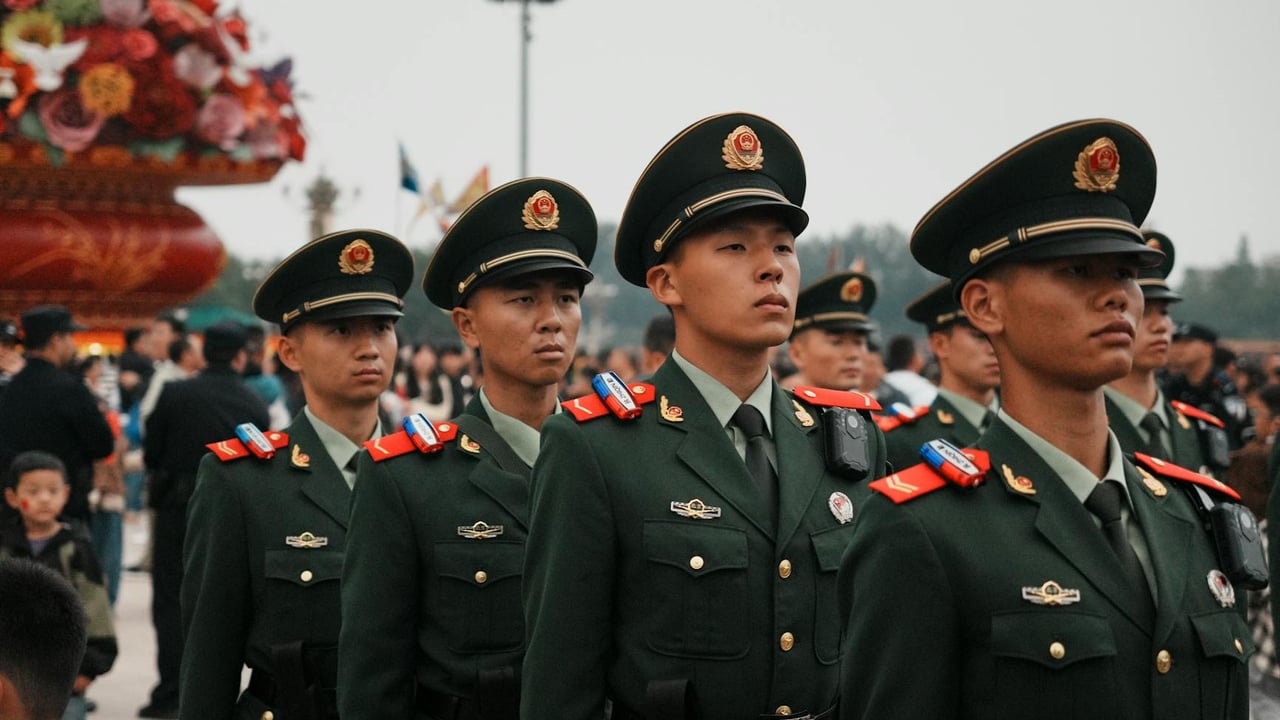
A group of soldiers in green uniforms marching outdoors, part of a ceremonial parade.

Key Takeaways

  • 1Suspect Xu defrauded a business owner by claiming to be a highly decorated special forces veteran.
  • 2The fraud included claims of UN peacekeeping and anti-drug operations, backed by counterfeit medals and uniforms.
  • 3Xu exploited the victim's 'military complex' to extract over 80,000 RMB under the guise of retirement processing fees.
  • 4When the military lie became unsustainable, the suspect attempted to pivot the scam by impersonating a police officer.
  • 5Chinese authorities have since detained Xu, highlighting the strict legal consequences for impersonating military personnel.

Editor's
Desk

Strategic Analysis

This case underscores a persistent vulnerability in Chinese civil-military relations: the high social capital of the People's Liberation Army (PLA) makes it a prime target for sophisticated social engineering. In Chinese society, military service is often equated with ultimate moral rectitude and reliability, a sentiment that many entrepreneurs—who may lack traditional institutional backing—seek to align themselves with for status or security. By impersonating a 'Special Forces King,' the perpetrator didn't just steal money; he hijacked the state's most powerful symbol of authority. The police's swift and publicized crackdown serves a dual purpose: it punishes the fraud and reinforces the state's monopoly on military prestige, signaling that any dilution of the PLA's image via 'stolen valor' will be met with zero tolerance.

China Daily Brief Editorial
Strategic Insight
China Daily Brief

In the landscape of Chinese social hierarchy, few figures command as much inherent respect as the elite soldier. For Yang, a business owner in Jiangxi province with a deep-seated 'military complex,' meeting Xu seemed like a brush with greatness. Xu presented himself as a 'Special Forces King,' a veteran of UN peacekeeping missions and high-stakes anti-drug operations on the Yunnan border, even claiming to have marched in the prestigious national military parade.

Over the course of a year, Xu meticulously constructed an alternate reality. He utilized a blend of digital deception and physical props, sharing photos of medals and tactical gear while presenting a motorcycle injury as a combat wound sustained in the line of duty. To the unsuspecting Yang, these were not just stories; they were badges of honor that earned Xu a position as a 'brother' and a part-time role within Yang’s company.

The transition from social engineering to financial exploitation began in July 2025. Xu claimed he was preparing for early retirement but needed a consistent salary history from a private enterprise to finalize his paperwork, promising to return the funds later. Relying on the deep trust he had cultivated, Yang transferred over 80,000 RMB to his protégé, only to find the promises of repayment and the arrival of official documents increasingly elusive.

As the fabricated deadline for his discharge approached in early 2026, Xu’s web of lies grew even more audacious. He claimed the state had reassigned him to the police force, purchasing counterfeit police identification covers to maintain the ruse. However, the lack of transparency eventually shattered Yang’s illusions. A police investigation later revealed that Xu had never served a day in the military; his 'career' was entirely sourced from e-commerce sites and social media downloads.

Share Article

Related Articles

📰
No related articles found