

The targeted assassination of Izz al-Din al-Haddad, the elusive commander of the Al-Qassam Brigades known as the 'Ghost,' marks a definitive tactical milestone in Israel’s prolonged campaign within Gaza. On May 15, the Israel Defense Forces (IDF) and Shin Bet confirmed the death of the last surviving senior leader of Hamas’s military wing, a figure blamed for the October 7 attacks. While the strike represents a significant intelligence victory, its timing coincides with a controversial shift in the territorial map of the enclave.
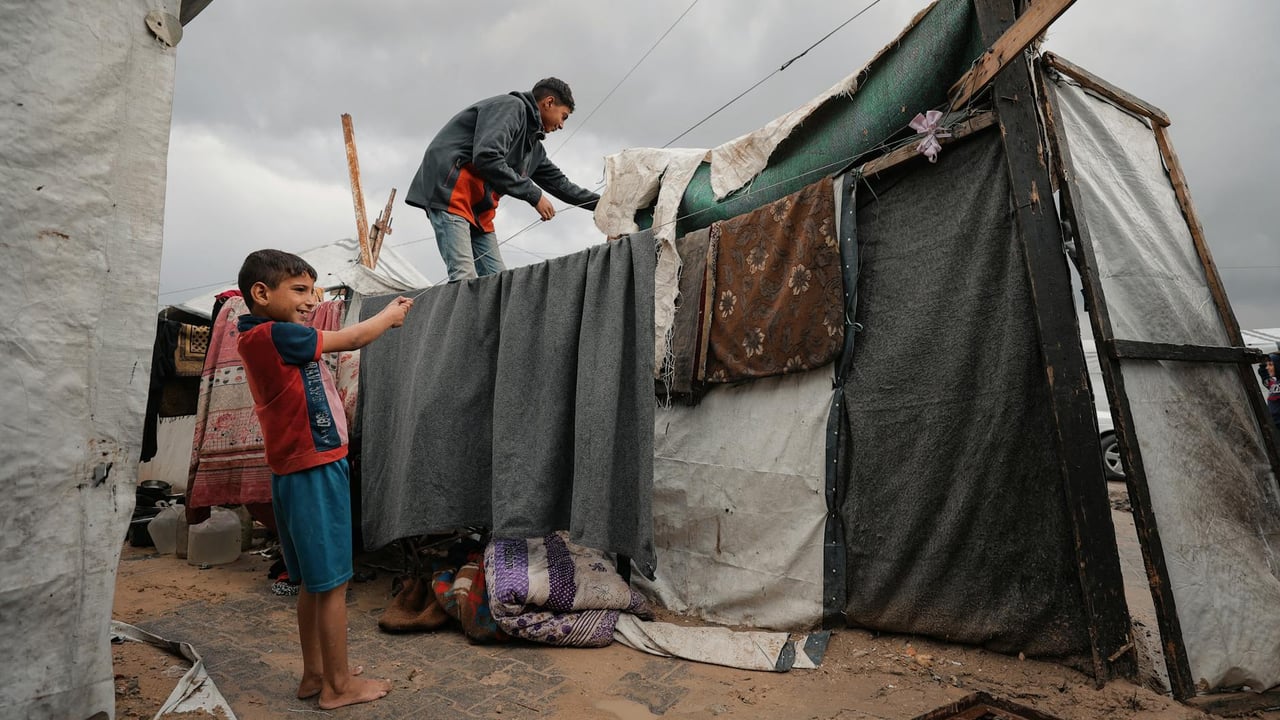
Prime Minister Benjamin Netanyahu recently confirmed that Israeli forces now control approximately 60% of the Gaza Strip, a figure that significantly exceeds the boundaries established in the October 2025 truce. This expansion is defined by the emergence of the 'Orange Line,' a new military demarcation that pushes deeper into Gaza’s heartland than the previously agreed 'Yellow Line.' This strategic encroachment has effectively reduced the living space for two million Palestinian civilians to a claustrophobic 40-kilometer corridor along the Mediterranean coast.
International observers and regional analysts view the 'Orange Line' not merely as a temporary security buffer, but as evidence of a de facto permanent occupation. By systematically demolishing structures and displacing populations within these newly seized zones, the Israeli military is creating a geographic reality that will be difficult to reverse in future negotiations. The Israeli Ministry of Defense has defended these shifts as necessary tactical adjustments, yet the refusal to clarify the duration or notification process for these 'updated' zones suggests a more permanent intent.
Beyond the battlefield, the escalation appears deeply intertwined with Israel's volatile domestic landscape. Netanyahu’s coalition has faced a sharp decline in polling following the recent alliance between former prime ministers Naftali Bennett and Yair Lapid. With a motion to dissolve the Knesset already on the table, the 'Orange Line' offensive serves as a potent political instrument, allowing the embattled Prime Minister to frame himself as an uncompromising security hawk in the face of a looming early election.