
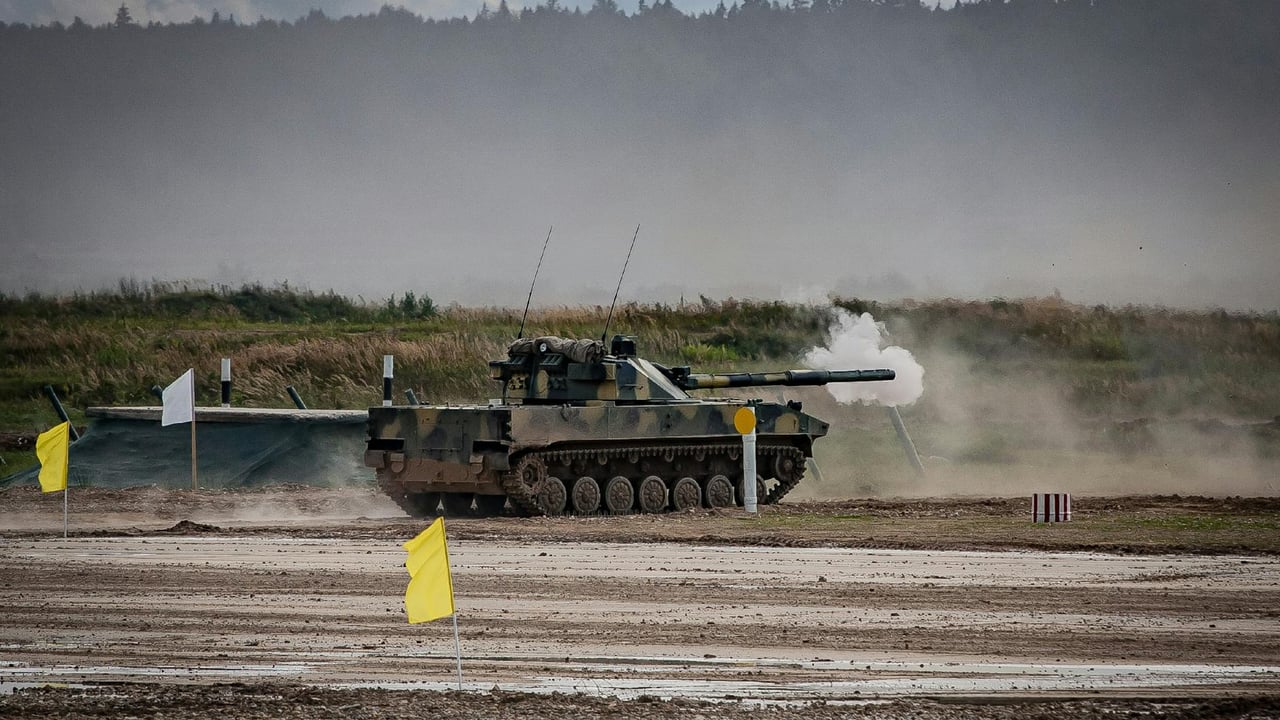

Amidst the tactical smoke of a high-intensity drill, Sergeant Second Class Yao Guoxin operates the panoramic sights of his armored vehicle with precision. As a vehicle commander in the People’s Liberation Army (PLA) ‘Qingzhou Company,’ Yao represents the tip of the spear in China’s ongoing military transformation. His ability to synchronize movement, targeting, and fire in a split-second window marks a significant departure from the company’s origins as a traditional light infantry unit.
The transition has not been without friction. When the unit was first redesignated as an armored infantry company, many veteran soldiers struggled with the leap from physical endurance to technical command. Yao himself initially failed to master the complex electronic systems and coordination required for modern mechanized combat. This internal struggle reflects a broader challenge within the PLA as it moves toward its goal of full mechanization and ‘intelligentization’ by 2027.
To bridge this gap, the PLA leans heavily on ‘Red Culture’ as a motivational tool. The unit takes its name from the 1945 Battle of Qingzhou, where its predecessors famously breached enemy lines under heavy fire. By revisiting this history in their dedicated ‘honor room,’ soldiers like Yao are taught that technical mastery is a modern form of the revolutionary bravery shown by their ancestors. This ideological framing turns the daunting task of learning new hardware into a matter of ancestral pride.
The modernization drive also extends to the lowest ranks and the newest technologies. Private Ni Yu, a junior soldier who initially struggled with basic fitness, has become a specialist in low-altitude drone operations. His proficiency in using UAVs for tactical breakthroughs demonstrates how the PLA is integrating unmanned systems into small-unit maneuvers, ensuring that the ‘Qingzhou Company’ remains relevant in a landscape dominated by electronic signatures and remote sensing.
Ultimately, the story of the ‘Qingzhou Company’ is a microcosm of the modern Chinese military’s dual-track approach. While the hardware—tanks, drones, and digital command systems—is state-of-the-art, the psychological foundation remains rooted in the CCP’s historical narratives. This blend of high-tech capability and high-commitment ideology is designed to ensure that the army remains both technically lethal and politically loyal as it prepares for future conflicts.