
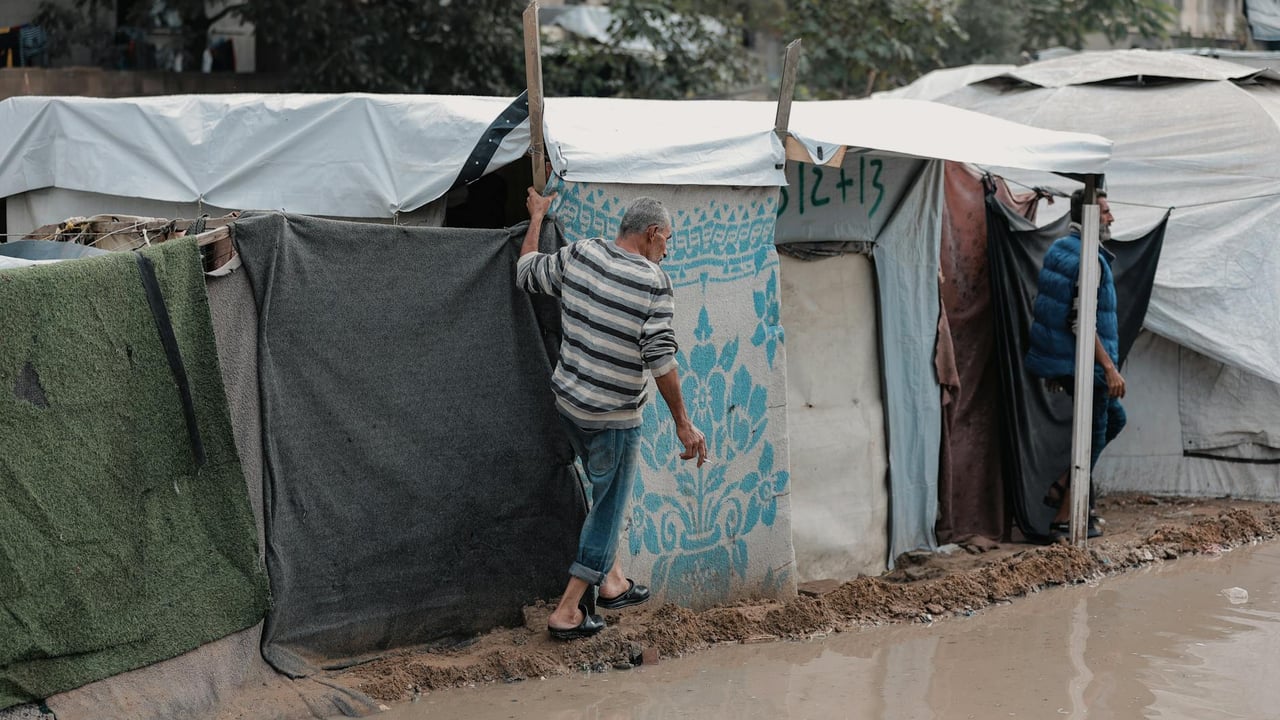

The conflict in the Gaza Strip has entered a phase of devastating permanence, as newly released figures from local health authorities underscore the staggering human cost of a war that has raged since October 2023. According to the latest data, the cumulative death toll has now surpassed 72,700, reflecting a landscape where systemic violence has become the tragic baseline of daily existence.
While the most recent 48-hour window saw a relative dip in immediate fatalities—with hospitals reporting six deaths—the broader trajectory remains one of relentless attrition. This brief lull does not signal a cessation of hostilities but rather the volatile nature of a modern urban battlefield where the intensity of strikes fluctuates alongside political maneuvering and logistical constraints on the ground.
Beyond the fatalities, the scale of the physical trauma is immense, with more than 172,000 individuals recorded as injured. This vast number of casualties has placed an impossible burden on a healthcare system that has been largely dismantled, leaving survivors to navigate a reality of permanent disability and inadequate medical care. The sheer volume of the afflicted suggests a demographic scar that will take generations to heal.
For the international community, these figures represent more than just statistics; they are a persistent challenge to the global diplomatic order. As the war stretches further into its second year, the pressure on regional powers and international mediators to find a sustainable ceasefire grows, yet a definitive political resolution remains as elusive as ever, overshadowed by the mounting wreckage of Gaza's urban centers.