
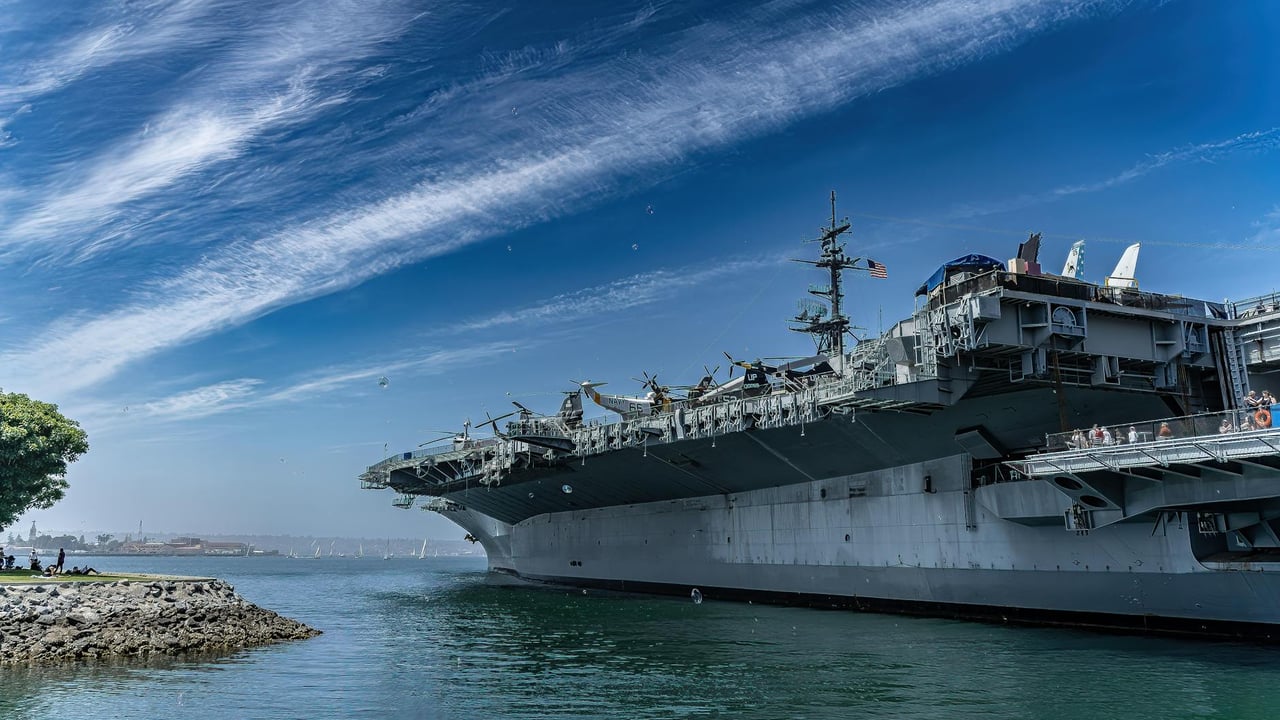

The return of the USS Gerald R. Ford to its homeport in Norfolk, Virginia, marks the conclusion of a staggering 326-day deployment, one of the longest for a U.S. aircraft carrier in the post-Cold War era. Originally intended for a standard six-month rotation, the lead ship of the Navy’s newest class of nuclear-powered carriers saw its mission repeatedly extended as geopolitical crises flared in the Eastern Mediterranean and the Middle East. The sight of the $13 billion vessel docking signals more than just the end of a mission; it highlights the increasing pressure on the Pentagon to maintain a global 'deterrence' posture with a shrinking fleet.
Throughout its deployment, the Ford served as a mobile piece of American foreign policy, positioned to prevent regional escalation and reassure allies during periods of high volatility. While the Navy has touted the operational success of the ship’s new technologies, such as the Electromagnetic Aircraft Launch System (EMALS), the sheer duration of the tour raises critical questions about crew endurance and long-term maintenance cycles. For a ship that was already years behind schedule due to technical teething issues, this marathon mission serves as a trial by fire that underscores the military's reliance on its most advanced assets.
From the perspective of strategic competitors like China, the Ford’s extended stay is being closely scrutinized as a metric of American commitment—and exhaustion. Chinese military analysts often point to such 'marathon deployments' as evidence of a structural deficit in U.S. naval capacity, where a limited number of high-end platforms must be shuffled between theaters to plug emerging security gaps. This 'whack-a-mole' approach to carrier diplomacy suggests that while the U.S. can surge power, sustaining it across multiple oceans simultaneously is becoming an increasingly precarious balancing act.
As the Ford enters its post-deployment maintenance phase, the U.S. Navy faces the difficult task of resetting its readiness. The wear and tear on a nuclear carrier after nearly a year at sea is substantial, often leading to longer-than-anticipated shipyard periods that further reduce the number of available ships for future contingencies. This cycle of over-deployment and delayed maintenance is the central challenge for a fleet that is attempting to pivot toward the Indo-Pacific while remaining tethered to the persistent instabilities of the Atlantic and Mediterranean corridors.