

China’s ambition to establish a formidable presence in low-Earth orbit (LEO) reached a new milestone on May 17, 2026, as a Long March 8 carrier rocket successfully deployed the ninth batch of the Qianfan Constellation. Launched from the Hainan Commercial Aerospace Launch Site, the mission placed the satellites into their designated orbits with all systems functioning normally. This latest deployment underscores the rapid maturation of what is colloquially known as the 'G60 Starlink,' a direct state-backed rival to SpaceX’s dominant internet constellation.
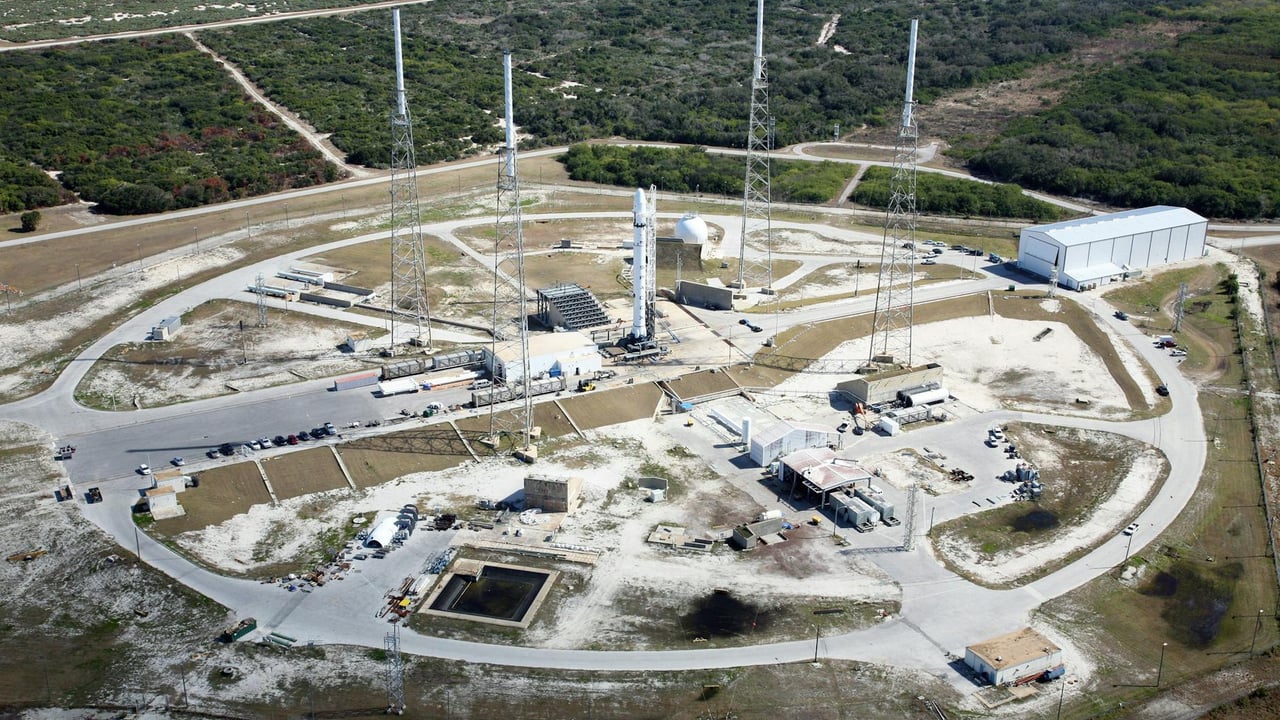
The use of the Hainan Commercial Aerospace Launch Site is particularly significant as it represents the shifting architecture of the Chinese space sector. Unlike the traditional inland military-run sites, the Hainan facility is designed to meet the demands of commercialized, high-cadence launches. By streamlining ground operations and utilizing the coastal location for heavier payloads, China is transitioning from a period of experimental satellite launches to an era of 'scheduled flight' logistics, where rockets are deployed with the regularity of commercial aviation.
The Qianfan Constellation is the cornerstone of China’s strategy to secure its 'space sovereignty' and ensure telecommunications independence. With a long-term goal of exceeding 12,000 satellites, the project aims to provide global high-speed internet coverage while claiming vital orbital slots and frequency bands. As LEO becomes increasingly crowded, Beijing views the rapid expansion of Qianfan as a matter of national security, ensuring that domestic industries and military assets remain connected through a secure, sovereign network.
Beyond technical achievement, this ninth launch reflects the deep integration of China’s 'New Productive Forces' within the aerospace industry. The project involves a complex supply chain of private and state-owned enterprises focused on mass-producing satellites and lowering launch costs. By proving the reliability of the Long March 8 for these specific multi-satellite missions, China is signaling to the global market that it possesses the industrial capacity to rival Western commercial space leaders in both speed and scale.