The Shadow of Drone Warfare: UAE’s Barakah Nuclear Plant Targeted in Alarming Escalation

The UAE's Barakah nuclear power plant was targeted by a drone attack on an external generator, though no radiation leaks or casualties were reported. The IAEA has called for immediate military restraint, highlighting the increasing risk to critical energy infrastructure in the Middle East.

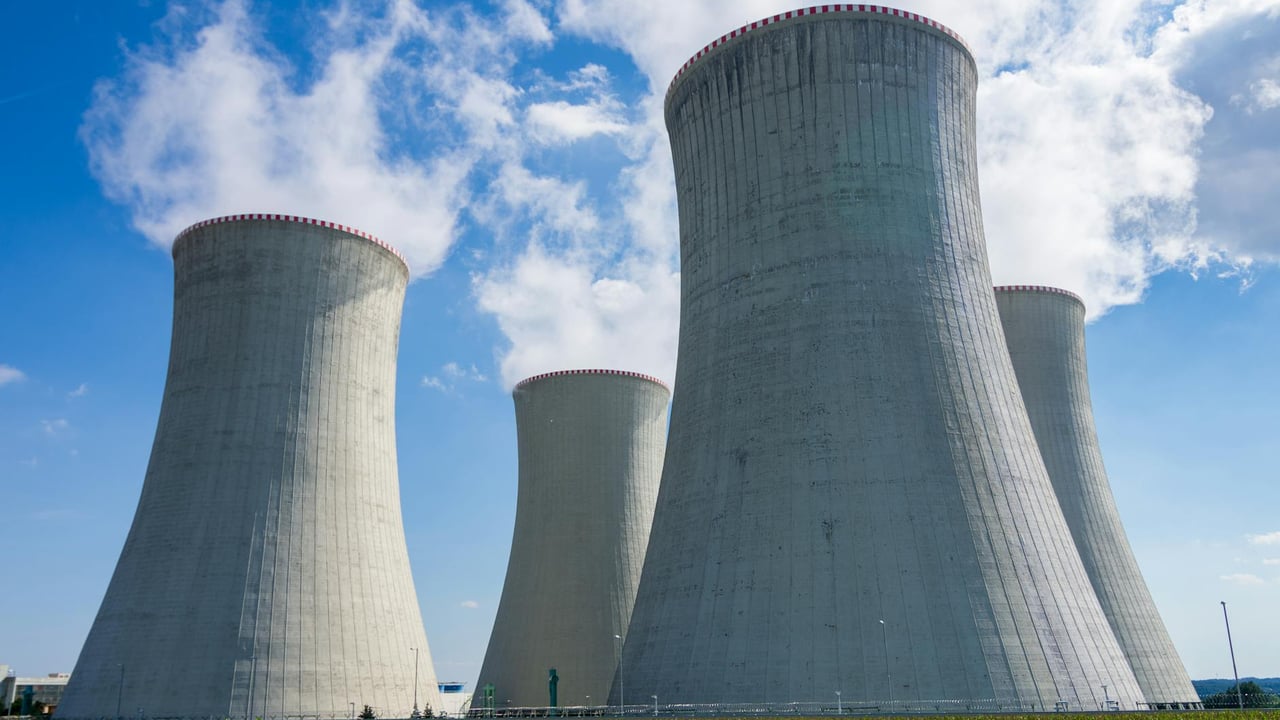
Cooling towers of Dukovany Nuclear Power Plant against a clear blue sky.

Key Takeaways

  • 1A drone attack targeted an external generator at the Barakah Nuclear Power Plant in the UAE.
  • 2The IAEA confirms radiation levels are normal and is monitoring the situation closely.
  • 3Emergency diesel generators are currently providing power to Unit 3 of the facility.
  • 4IAEA Director General Grossi has condemned military activities near nuclear sites as 'unacceptable.'
  • 5No casualties were reported from the fire caused by the drone strike.

Editor's
Desk

Strategic Analysis

This incident represents a significant shift in the risk profile for Gulf energy infrastructure. The Barakah plant is not just a power utility; it is a symbol of the UAE's modernizing statecraft and its 'Net Zero' strategy. By targeting the periphery of a nuclear site, the perpetrators are exploiting the 'grey zone' of warfare—inflicting psychological and economic pressure without crossing the threshold of a full-scale nuclear disaster. This event will likely force a massive rethink of air defense priorities for the UAE and its neighbors, as low-cost drone technology continues to challenge the security of multi-billion-dollar strategic assets. Furthermore, it places the IAEA in the difficult position of policing non-combat zones in an increasingly fragmented geopolitical landscape.

China Daily Brief Editorial
Strategic Insight
China Daily Brief

The drone strike on the periphery of the United Arab Emirates’ Barakah nuclear power plant marks a chilling new chapter in the security dynamics of the Middle East. While officials in Abu Dhabi and the International Atomic Energy Agency (IAEA) have confirmed that radiation levels remain normal, the event underscores the growing vulnerability of high-stakes energy infrastructure to asymmetric warfare.

A fire broke out at an external generator site in the Al Dhafra region following the drone hit on May 17, but it was reportedly extinguished without causing casualties or structural damage to the reactors. Currently, the plant’s Unit 3 is being maintained by emergency diesel generators as a precautionary measure while the IAEA maintains constant communication with Emirati authorities to ensure the situation remains stable.

IAEA Director General Rafael Mariano Grossi has responded with grave concern, emphasizing that any military activity targeting nuclear facilities is inherently unacceptable. This incident echoes recent global anxieties surrounding the Zaporizhzhia plant in Ukraine, reinforcing the urgent need for international norms that designate nuclear sites as off-limits in regional conflicts.

Barakah, which began operations in 2020, is the first nuclear power station in the Arab world and a cornerstone of the UAE’s transition away from fossil fuels. Any disruption to its operation not only threatens the nation's ambitious climate goals but also risks a regional environmental catastrophe that would respect no sovereign borders.

Share Article

Related Articles

📰
No related articles found