
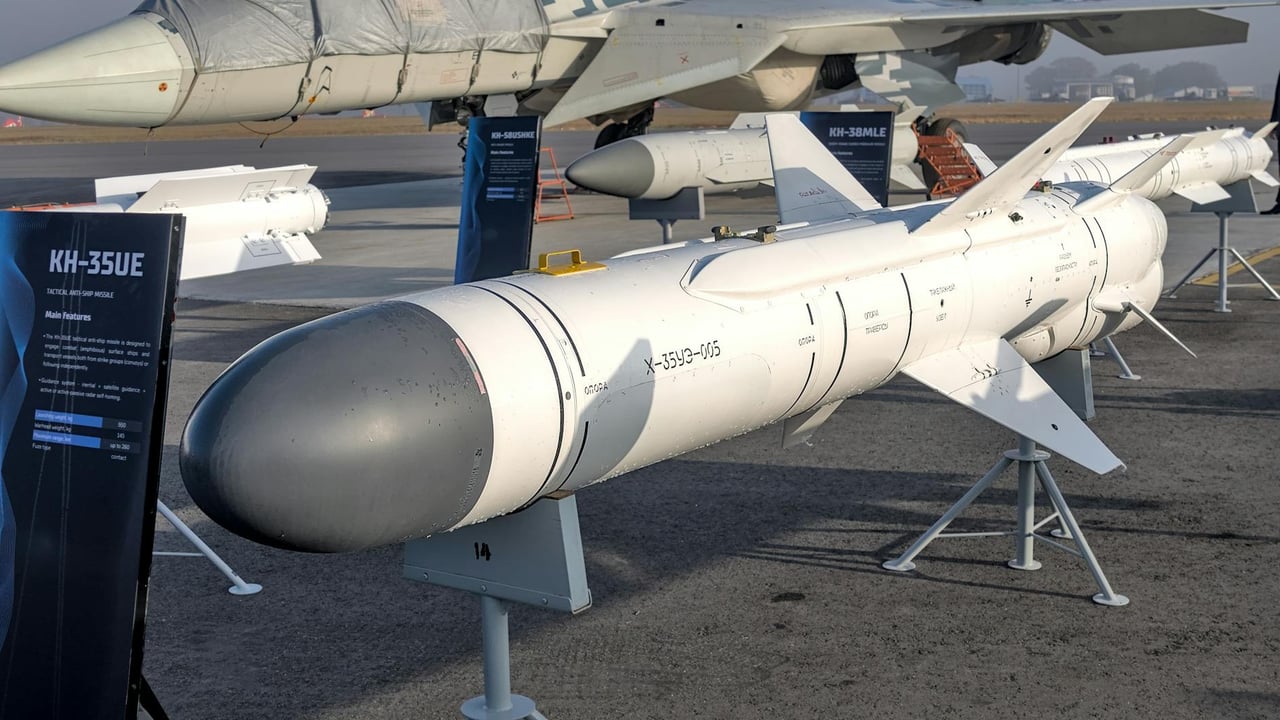

For months, the skyline of the Middle East has been defined by the arc of interceptors and the impact of precision munitions. Yet, as the smoke clears from recent high-stakes exchanges between Iran, Israel, and the United States, a startling consensus is emerging among Western intelligence circles. Tehran’s "missile cities" and subterranean launch sites have proven far more resilient than public political rhetoric would suggest.
NATO intelligence assessments recently disclosed indicate that the Islamic Republic retains approximately 60% of its pre-war missile inventory. This figure, coupled with the survival of essential launch and storage facilities, suggests that Tehran possesses sufficient hardware to sustain a confrontation with U.S. and regional forces for several more months. The persistence of this arsenal fundamentally complicates the narrative of a swift or decisive military degradation.
U.S. intelligence officials have echoed these concerns, noting that nearly 90% of Iran’s missile launch sites and armories remain either partially or fully operational. Despite intensive targeting, there is evidence that Iran has successfully reopened almost all of its underground storage facilities. This hardened infrastructure has allowed technicians to not only repair damaged units but also to complete the assembly of missiles that were on the production line before hostilities intensified.
The strategic picture is further clouded by a significant discrepancy between intelligence data and executive-level claims. While President Trump asserted in early May that as much as 80% of Iran’s missile stock had been neutralized, his own intelligence community maintains a far more "sober" outlook. This internal gap suggests a potential miscalculation if the administration bases its next diplomatic or military steps on the assumption of a depleted Iranian threat.
Beyond ballistic missiles, the threat extends to the sky in the form of unmanned aerial vehicles. Current assessments estimate that Iran’s stockpile includes thousands of one-way attack drones, many of which are housed in the same resilient underground networks that protected the missile fleet. This dual-threat capability ensures that even if launch sites are temporarily disabled, the capacity for asymmetric retaliation remains a central pillar of Iran's regional strategy.